
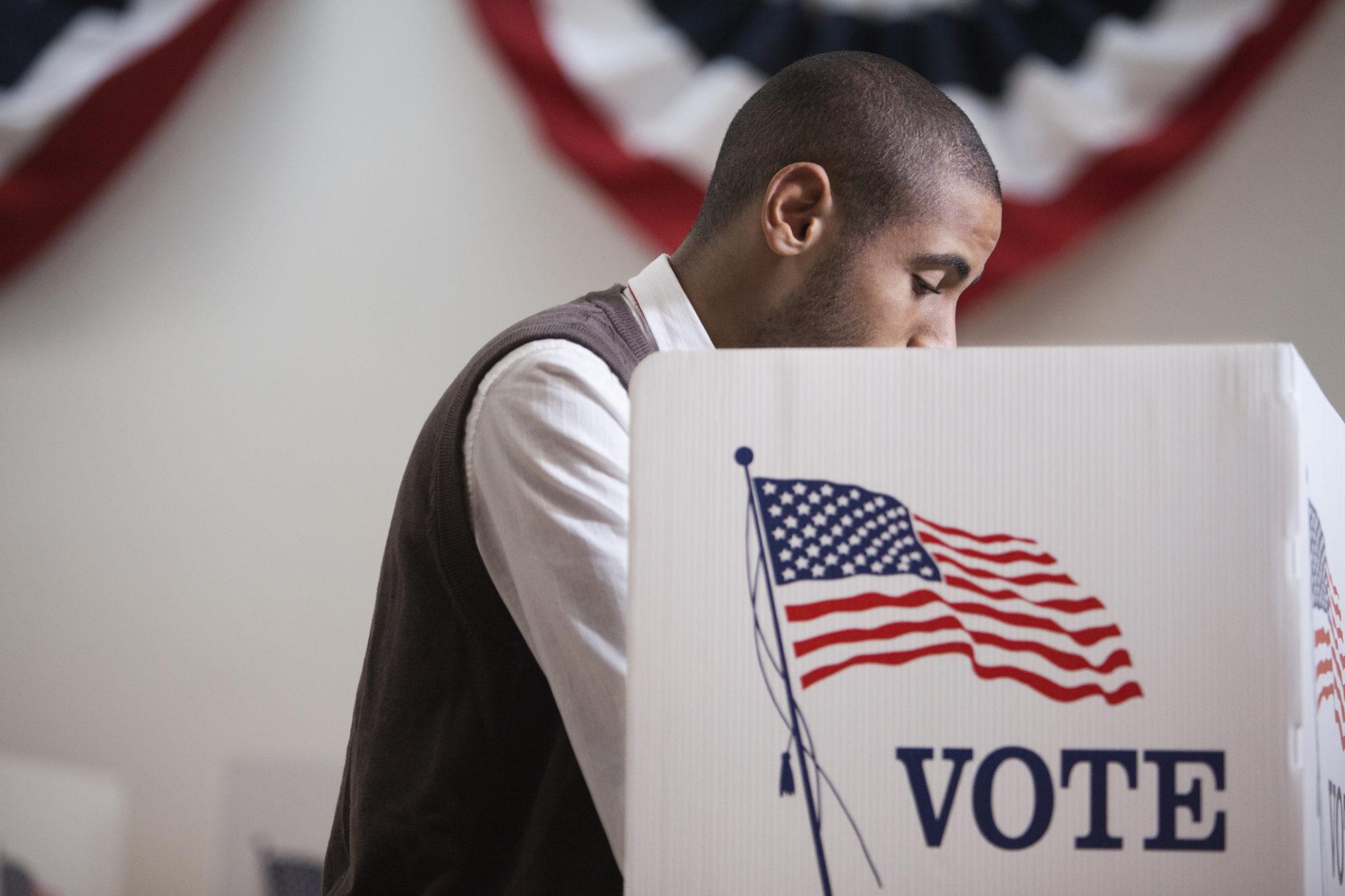
The Massachusetts House is currently reviewing a bill that aims to expand early voting opportunities across the state. The proposed legislation seeks to enhance voter accessibility and participation by broadening the timeframe and locations available for casting ballots ahead of Election Day. As debates unfold, lawmakers and advocates emphasize the potential impact on voter turnout and electoral engagement in Massachusetts. This move reflects a growing trend nationwide to make voting more flexible and convenient for all eligible citizens.
Table of Contents
- Massachusetts House Reviews Proposed Expansion of Early Voting Windows
- Key Stakeholders Weigh In on Accessibility and Security Concerns
- Analysis of Potential Impact on Voter Turnout and Election Administration
- Recommendations for Enhancing Voter Education and Outreach Efforts
- The Way Forward
Massachusetts House Reviews Proposed Expansion of Early Voting Windows
Lawmakers in the Massachusetts House are actively considering legislation aimed at extending the early voting period for state and local elections. The proposed bill seeks to increase voter access by allowing citizens to cast their ballots over a more extended window prior to Election Day, potentially improving turnout and reducing polling place congestion. Advocates argue that longer early voting periods provide greater adaptability for working adults, seniors, and others who may face obstacles on a single election day.
The legislation has sparked a robust debate, with supporters highlighting benefits such as:
- Enhanced voter participation rates across diverse demographics
- Reduced long lines and wait times at polling locations
- Greater public confidence in the electoral process through convenience
Opponents, however, caution about administrative costs and resource allocation needed to support a lengthier voting period. As the bill moves through committee hearings, stakeholders from election officials to civic groups are weighing in on the best path forward to modernize Massachusetts’ voting framework while safeguarding integrity and accessibility.
Key Stakeholders Weigh In on Accessibility and Security Concerns
Election officials and advocacy groups expressed cautious optimism about the proposed expansion of early voting, emphasizing the potential for increased voter participation and improved accessibility for marginalized communities. However, these groups also underscored the necessity of maintaining rigorous security protocols to safeguard the integrity of the vote. Concerns were raised about ensuring that additional polling locations are adequately staffed and equipped with secure ballot handling systems to prevent fraud and errors.
Security experts added that broadening early voting requires a balanced approach, incorporating:
- Enhanced cybersecurity measures for electronic voting systems
- Thorough training programs for poll workers
- Transparent audit procedures to verify vote accuracy
- Clear communication strategies to rebuild public trust in electoral processes
These insights reflect a consensus among stakeholders that while expanding early voting could modernize electoral participation in Massachusetts, it must be implemented with a strategic focus on both accessibility and security.
Analysis of Potential Impact on Voter Turnout and Election Administration
Proponents argue that expanding early voting will significantly enhance voter turnout by providing greater flexibility and convenience for Massachusetts residents. By extending the window for casting ballots, the bill aims to accommodate diverse schedules, reduce congestion on Election Day, and potentially mitigate disenfranchisement among working-class voters, students, and seniors. The anticipated increase in accessibility could lead to a more representative electorate, reflecting a broader cross-section of the population in the democratic process.
However, election officials caution that the proposed changes will require ample adjustments in election administration. The state might face logistical challenges such as:
- Allocating additional resources for staffing and polling locations over an extended period.
- Ensuring accuracy and security with a longer voting cycle, emphasizing ballot tracking and fraud prevention mechanisms.
- Updating voter education campaigns to effectively inform the public about new early voting options and deadlines.
Balancing these operational concerns with the goal of expanded access remains central to the ongoing legislative debate.
Recommendations for Enhancing Voter Education and Outreach Efforts
To maximize the impact of expanded early voting,targeted voter education must prioritize accessibility and clear communication. Outreach campaigns should leverage multiple platforms-including social media, local community events, and traditional media-to reach diverse demographics. Emphasizing multilingual materials and culturally relevant messaging will ensure broader engagement, particularly among underrepresented groups historically less likely to participate in early voting. Partnering with community organizations and trusted local leaders can further break down barriers and dispel confusion about voting procedures.
Strategic efforts should also focus on enhancing clarity around key dates, locations, and eligibility requirements.Interactive tools, such as online polling place finders and real-time FAQs, can empower voters to make informed decisions well ahead of Election Day. Recommended actions include:
- Launching statewide voter education campaigns several months before elections, providing step-by-step guides tailored to early voting.
- Hosting informational workshops and webinars to answer common questions and provide assistance with registration and ballot completion.
- Utilizing data insights to identify districts with lower turnout trends and delivering focused outreach efforts in those areas.
The Way Forward
As the Massachusetts House continues to scrutinize the proposed bill aimed at broadening early voting opportunities, stakeholders on all sides await further debate and potential amendments. The outcome of this legislative process could significantly reshape how residents participate in elections, reflecting ongoing efforts to enhance voter accessibility across the Commonwealth. Updates on the bill’s progress will be closely monitored as lawmakers navigate the balance between expanding electoral access and addressing logistical considerations.