
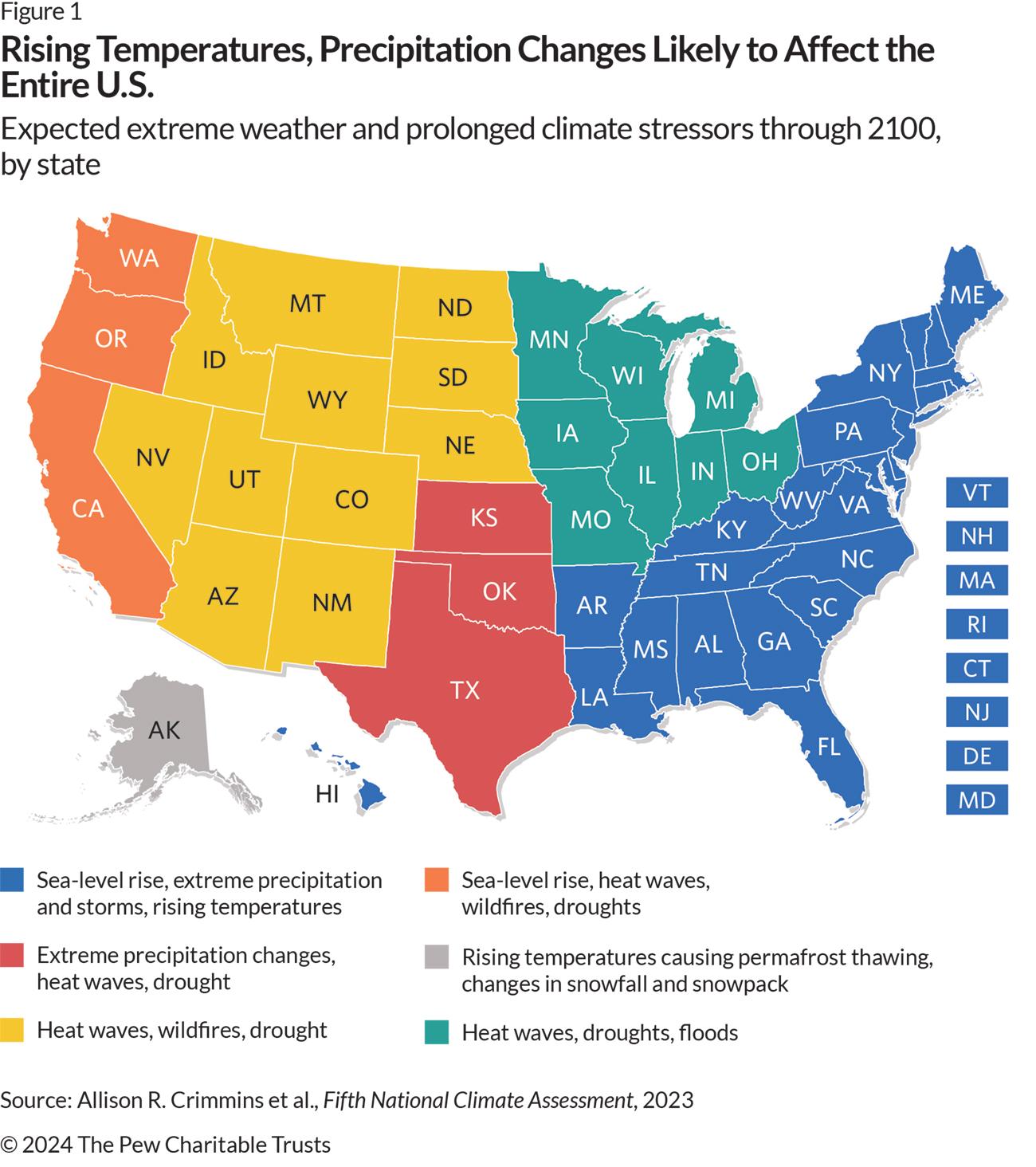
Massachusetts is stepping up efforts to prepare its transportation infrastructure for the escalating challenges posed by climate change. As rising sea levels, extreme weather events, and shifting environmental conditions threaten roads, bridges, and transit systems, state officials are accelerating plans to enhance resilience across the Commonwealth’s transportation network. This proactive approach aims to safeguard critical mobility routes, protect communities, and ensure continuous access to essential services in the face of increasing climate-related disruptions.
Table of Contents
- Massachusetts Prioritizes Climate-Resilient Infrastructure to Combat Rising Sea Levels
- State Officials Outline Strategic Investments in Public Transit Electrification and Expansion
- Communities Mobilize for Flood Defense and Emergency Response Enhancements
- Experts Recommend Policy Reforms to Support Sustainable Transportation Innovation
- Future Outlook
Massachusetts Prioritizes Climate-Resilient Infrastructure to Combat Rising Sea Levels
Massachusetts is accelerating efforts to reinforce its transportation networks against the escalating threat of rising sea levels.The state government has integrated climate resilience as a core principle in upcoming infrastructure projects,focusing on adapting roads,bridges,and transit hubs prone to flooding. Strategic elevation of vulnerable roadways, installation of robust stormwater management systems, and the use of durable, weather-resistant materials are among the key tactics being deployed to ensure continuity of services during extreme weather events. These measures aim to safeguard millions of commuters and vital supply chains from increasingly frequent climate disruptions.
Key initiatives include:
- Implementing natural buffers such as wetlands restoration to absorb floodwaters and reduce impact on urban zones;
- Upgrading public transit facilities to withstand higher flood risks and maintain emergency accessibility;
- Integrating advanced climate data into infrastructure planning for predictive adaptation.
These forward-thinking steps reflect Massachusetts’ commitment to resilience, blending engineering innovation with environmental stewardship to curb the long-term economic and social costs of climate change.
State Officials Outline Strategic Investments in Public Transit Electrification and Expansion
State leaders have announced a robust plan to accelerate the electrification and expansion of Massachusetts’ public transit systems, aligning transportation infrastructure with the state’s ambitious climate goals.The strategy focuses on replacing diesel-powered buses with electric vehicles, modernizing rail systems, and integrating advanced charging networks.These investments aim to reduce greenhouse gas emissions considerably while improving reliability and accessibility for riders across urban and suburban communities.
Key components of the initiative include:
- Deployment of hundreds of electric buses over the next decade with federal and state funding support
- Upgrades to rail lines and stations to support increased capacity and energy efficiency
- Creation of innovative transit hubs that facilitate seamless multimodal connections
- Investment in charging infrastructure strategically placed to support fleet operations and reduce downtime
Communities Mobilize for Flood Defense and Emergency Response Enhancements
In response to escalating climate threats, communities across Massachusetts are stepping up efforts to fortify flood defenses and sharpen emergency response systems. Residents and local leaders are collaborating on innovative strategies that ensure critical infrastructure, including transportation routes, remains operational during extreme weather events. Emphasis is being placed on enhancing early warning mechanisms and establishing rapid-deployment teams equipped to address flood-related challenges, safeguarding both lives and livelihoods.
Key initiatives underway include:
- Reinforcement of levees and drainage networks in vulnerable neighborhoods.
- Community-led drills and education programs focused on disaster preparedness.
- Progress of contingency transport plans to maintain evacuation and relief access.
- Strengthening partnerships between public agencies and volunteer groups to ensure swift, coordinated responses.
This mobilization reflects a broader commitment to resilience, recognizing that effective flood defense is a multifaceted effort involving social cohesion, infrastructure resilience, and public health protection against waterborne diseases exacerbated by flooding conditions.[3]
Experts Recommend Policy Reforms to Support Sustainable Transportation Innovation
Leading experts are urging Massachusetts lawmakers to enact bold policy reforms that will catalyze innovation in sustainable transportation. Their recommendations emphasize integrated approaches balancing economic vitality, environmental stewardship, and social equity-aligning with sustainability’s core principle of meeting present needs without compromising future generations’ ability to thrive. Key proposals include:
- Incentivizing investment in low-emission and zero-carbon transit technologies
- Updating infrastructure standards to support resilient, climate-adaptive transportation networks
- Increasing funding for research and development of smart mobility solutions
- Expanding access to public and active transportation options in underserved communities
Experts stress that these measures are vital to ensuring the state’s transportation systems evolve in harmony with environmental care and social well-being. By embedding sustainability into policy frameworks,Massachusetts can create a robust foundation for climate-resilient transportation innovation-helping to mitigate carbon emissions while enhancing overall quality of life for residents today and tomorrow.
Future Outlook
As Massachusetts accelerates efforts to adapt its transportation infrastructure for the challenges posed by climate change, the state sets a precedent in resilience and sustainability. With ongoing initiatives spanning from modernized vehicle registration services to improved public transit systems, Massachusetts demonstrates a commitment to safeguarding mobility and environmental health for future generations. This proactive approach not only addresses immediate climate concerns but also positions the Commonwealth as a national leader in transportation innovation and climate preparedness. For continued updates on transportation and climate initiatives, stay connected with official state resources.