
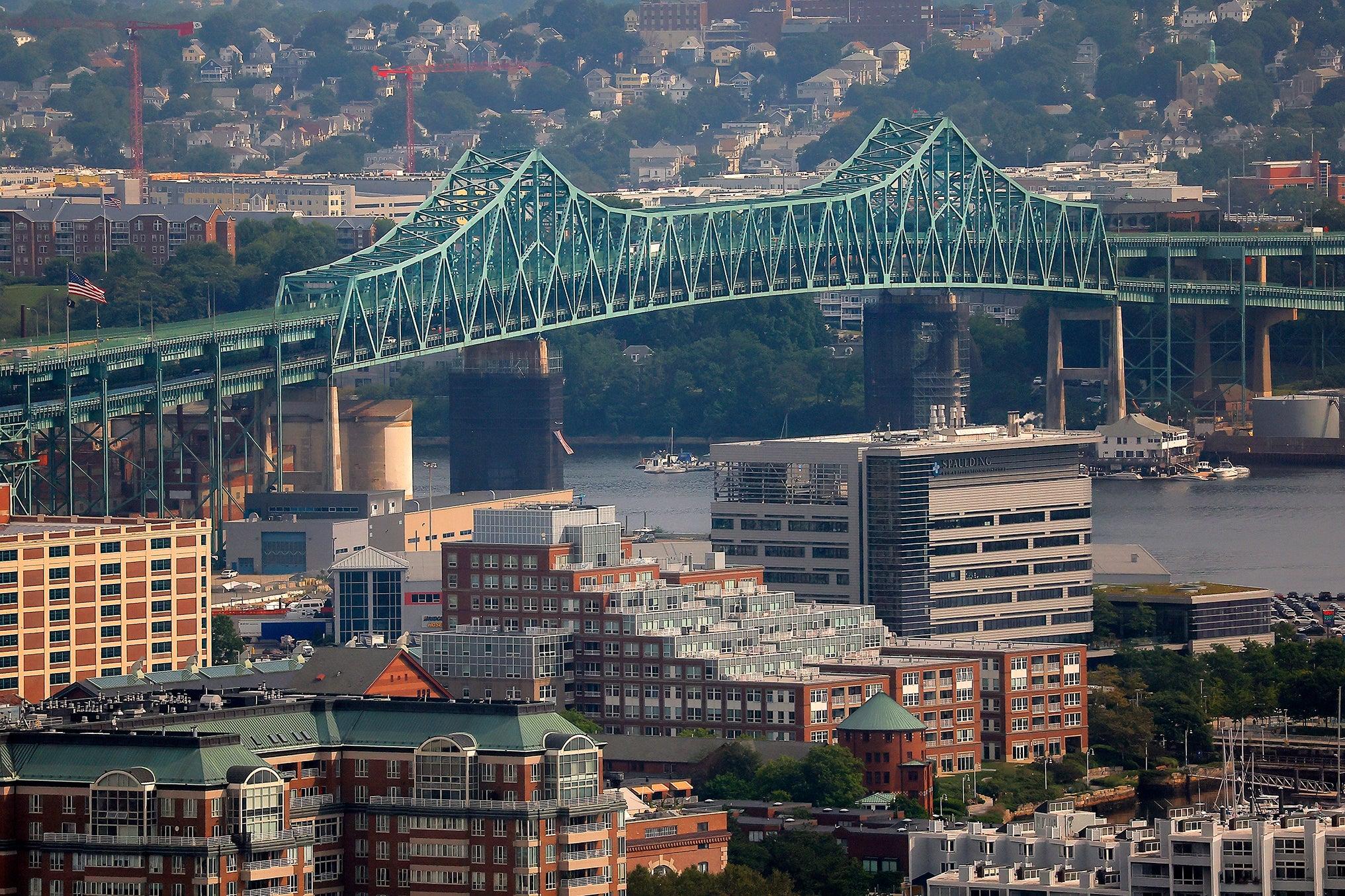
The latest developments concerning the Tobin Bridge and critical state infrastructure projects have become a focal point for commuters, policymakers, and residents alike. As vital arteries supporting daily transportation and economic activity, these structures are undergoing significant updates aimed at enhancing safety, efficiency, and resilience. This article provides a detailed overview of recent progress, future plans, and the broader implications for the region’s infrastructure network.
Table of Contents
- Tobin Bridge Renovation Progress and Traffic Impact Analysis
- Funding Challenges and State Government Response for Infrastructure Projects
- Innovative Technologies Improving Safety and Efficiency on Key State Routes
- Community Engagement and Policy Recommendations for Sustainable Infrastructure Development
- Wrapping Up
Tobin Bridge Renovation Progress and Traffic Impact Analysis
Renovation efforts on the Tobin Bridge have reached a critical phase as crews continue structural reinforcements and deck repairs designed to extend the lifespan of this vital artery. Key milestones include the completion of the northbound lane resurfacing and installation of advanced monitoring systems that will enhance long-term safety assessments. Despite some weather-related delays, the project remains on schedule, with substantial work anticipated to conclude by late 2025. Authorities emphasize that these upgrades are crucial not only for daily commuters but also for freight and emergency response routes serving the greater metropolitan area.
The extensive works have inevitably impacted traffic flow, prompting the implementation of several mitigation strategies to ease congestion and maintain commuter safety. Among these measures are:
- Alternate route advisories distributed across digital platforms and physical signage
- Staggered lane closures to minimize peak hour disruptions
- Enhanced traffic signal coordination in surrounding neighborhoods to facilitate smoother transitions
- Real-time traffic monitoring aiding rapid response to incidents and vehicle backups
Officials continue to monitor traffic patterns closely and encourage drivers to plan ahead, noting that while inconvenience is temporary, the benefits of a modernized Tobin Bridge will serve the region for decades to come.
Funding Challenges and State Government Response for Infrastructure Projects
Securing adequate funding for large-scale infrastructure projects like the Tobin Bridge remains a significant hurdle for state governments. Rising construction costs coupled with competing budget priorities strain available resources, delaying critical upgrades. To address these challenges, the state has been actively exploring diverse funding strategies beyond customary sources. These include federal grants, public-private partnerships, and innovative financing models designed to spread costs over time while attracting private investment.
State government responses include:
- Applying for federal programs such as the $50 billion Rural Health Transformation Programme, which, while focused on rural healthcare, signifies a growing federal commitment to regional development and could inspire analogous infrastructure initiatives.
- Leveraging grant opportunities aimed at community and educational groups,potentially funneling funds into infrastructure projects with strong local impact.
- Engaging with financial institutions and stakeholders to diversify funding portfolios, ensuring sustained project momentum without over-reliance on traditional tax revenues.
These multifaceted approaches demonstrate the state’s commitment to overcoming financial limitations and advancing the modernization of vital infrastructure networks, including the Tobin Bridge.
Innovative Technologies Improving Safety and Efficiency on Key State Routes
The integration of cutting-edge technologies on critical state routes, including the Tobin Bridge, has marked a significant milestone in enhancing both safety and operational efficiency. Advanced sensor networks now monitor traffic flow and structural health in real time, allowing for instant detection of irregularities such as congestion, accidents, or infrastructure wear. These systems are supported by high-resolution cameras and AI-driven analytics, enabling swift response from emergency teams and maintenance crews. Additionally, dynamic message signs guide commuters by providing live traffic updates and option route suggestions, minimizing delays and improving overall travel experience.
Key innovations making a difference include:
- Smart lighting systems that adjust brightness based on traffic and weather conditions, increasing visibility while reducing energy consumption.
- Automated incident detection that reduces human error and accelerates response times.
- Integrated dialog platforms linking state transportation agencies, law enforcement, and local governments for coordinated traffic management.
- Eco-friendly materials and smart pavement technologies that enhance durability and reduce maintenance frequency.
These advancements not only contribute to smoother traffic flow but also significantly lower the risk of accidents and infrastructure failures. By leveraging data-driven insights and proactive management tools,the state is setting a precedent for safer,more resilient transportation networks that meet the demands of growing urban populations. Continual upgrades are planned to ensure these corridors remain at the forefront of modern infrastructure innovation.
Community Engagement and Policy Recommendations for Sustainable Infrastructure Development
Active participation from local communities has become a cornerstone in shaping policies that govern sustainable infrastructure projects like the Tobin Bridge renovations. Incorporating diverse perspectives ensures that development efforts align not only with technical and environmental standards but also reflect the social and economic priorities of residents. Recent forums and workshops have emphasized transparency, inclusivity, and adaptability as key elements for prosperous community engagement. Stakeholders are now advocating for continuous dialogue mechanisms to monitor project impacts and make real-time adjustments, fostering greater trust and accountability.
Policy recommendations emerging from these engagements highlight several critical areas for state infrastructure planning:
- Prioritizing low-impact construction methods that reduce carbon footprints and protect natural resources.
- Embedding equitable access considerations to ensure infrastructure benefits underserved neighborhoods and supports economic resilience.
- Strengthening cross-sector collaboration between government agencies, private entities, and civil society groups to leverage expertise and funding.
By integrating community insights into the policy framework, Massachusetts aims to build infrastructure that is not only robust but also socially responsible and sustainable for decades to come.
Wrapping Up
As construction progresses and new projects unfold, the latest developments on Tobin Bridge and key state infrastructure continue to reflect a broader commitment to enhancing regional connectivity and safety. Stakeholders remain focused on minimizing disruptions while delivering long-term improvements critical to the area’s economic vitality and commuter experience. Stay tuned for ongoing updates as these enterprising initiatives advance, shaping the future of transportation for communities across the state.