
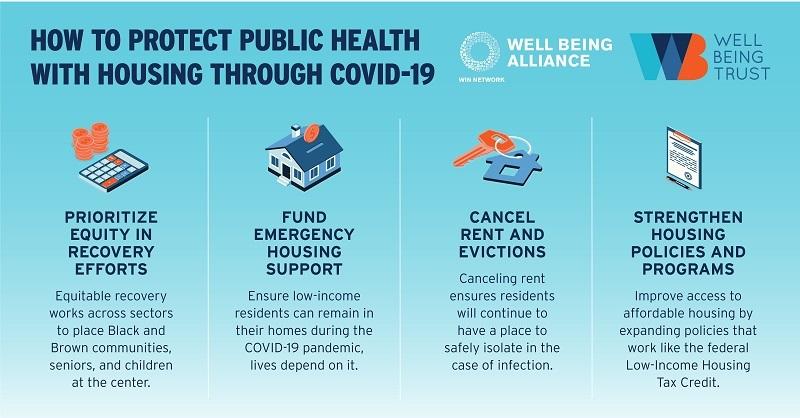
Housing conditions play a critical role in shaping public health outcomes, influencing everything from the spread of infectious diseases to mental well-being. As global urban populations continue to swell, the quality and affordability of housing have become urgent concerns for policymakers and health experts alike. Poor living environments-characterized by overcrowding,inadequate sanitation,and structural deficiencies-often exacerbate health disparities,impacting vulnerable communities the hardest.This article explores the complex ways in which housing conditions affect physical and mental health, drawing on the latest research and real-world examples to highlight the essential link between safe, stable housing and overall public health.
Table of Contents
- Housing Quality and Its Role in Preventing Respiratory Diseases
- The Link Between Overcrowding and Mental Health Challenges
- Access to Safe Water and Sanitation as a Public Health Priority
- Policy Recommendations for Improving Housing to Enhance Community Health
- The Way Forward
Housing Quality and Its Role in Preventing Respiratory Diseases
Substandard housing conditions have long been linked to an increased prevalence of respiratory diseases among residents. Poor ventilation,dampness,and mold growth within homes create ideal environments for pathogens and allergens to thrive,exacerbating illnesses such as asthma,bronchitis,and chronic obstructive pulmonary disease (COPD). Ensuring buildings meet rigorous maintenance standards, including structural soundness and humidity control, is critical for safeguarding occupant health. Innovative building codes and routine inspections now emphasize the necessity of moisture barriers and air quality management to mitigate these health risks effectively.
Key preventive measures include:
- Implementing adequate ventilation systems to reduce indoor air pollutants
- Preventing water ingress and controlling dampness in building materials
- Regular maintenance and timely repair to limit mold formation
- Using non-toxic materials that minimize respiratory irritants
By adopting these protocols, housing authorities and property managers can substantially lower the burden of respiratory illnesses, contributing towards healthier communities and improved public health outcomes.
The Link Between Overcrowding and Mental Health Challenges
Living in cramped spaces has been increasingly linked to a rising tide of psychological stress and discomfort. Crowded environments limit personal privacy and often intensify social tensions, fueling a range of mental health problems such as anxiety, depression, and heightened irritability. The continuous exposure to noise,lack of natural light,and restricted movement in overcrowded homes can exacerbate these conditions,creating “pressure cookers” of emotional distress. Studies highlight that children raised in such settings are particularly vulnerable,facing developmental and behavioral challenges that echo into adulthood.
Key factors contributing to mental health decline in overcrowded housing include:
- Constant overstimulation and sensory overload
- Reduced ability to find personal space for relaxation
- Increased interpersonal conflicts and familial stress
- Limited opportunities for restorative sleep
These elements combine to weaken individuals’ resilience, limiting their capacity to cope with everyday adversities. Public health experts argue that addressing overcrowding is not merely a matter of physical infrastructure but a critical intervention point for improving mental health outcomes on a societal scale.
Access to Safe Water and Sanitation as a Public Health Priority
Reliable access to clean water and effective sanitation systems remains a cornerstone in safeguarding public health within residential environments. Contaminated water sources and inadequate sanitation facilities can trigger outbreaks of waterborne diseases such as cholera, dysentery, and typhoid, disproportionately affecting vulnerable populations. The absence of these essentials not only compromises individual health but also strains healthcare infrastructures, amplifying the socioeconomic burden on communities.
Prioritizing water and sanitation in housing policy ensures:
- Reduction in infectious disease transmission, especially among children and immunocompromised individuals.
- Improved hygiene practices that limit exposure to environmental hazards.
- Enhanced overall well-being, fostering healthier living spaces and communities.
Addressing these needs is not merely an infrastructure challenge but a critical public health imperative requiring coordinated action across sectors.
Policy Recommendations for Improving Housing to Enhance Community Health
Addressing housing quality is essential for fostering healthier communities. Policymakers must prioritize investments in the renovation and maintenance of existing public housing stock to reduce exposure to environmental hazards like mold, poor ventilation, and structural deficiencies. Introducing stricter building codes that emphasize sustainable design and indoor air quality will help mitigate respiratory illnesses and chronic conditions linked to substandard living spaces. Moreover,expanding access to affordable housing close to essential services and green spaces promotes physical activity and mental well-being,creating a more holistic approach to public health.
Key strategies to consider include:
- Implementing mandatory health-focused building standards in all new developments.
- Incentivizing the incorporation of natural light, ventilation, and green infrastructure.
- Expanding social support programs that integrate housing with healthcare and community services.
- Increasing funding for public housing projects that emphasize accessibility and inclusivity.
These targeted policy actions will not only improve living conditions but also reduce healthcare costs and enhance overall community resilience. Coordinated efforts between housing authorities, public health officials, and urban planners are critical for creating environments where all residents can thrive physically and socially.
The Way Forward
As communities and policymakers grapple with the complexities of public health, the undeniable link between housing conditions and health outcomes demands urgent attention. Improving the quality, affordability, and accessibility of housing is not just a matter of shelter-it is indeed a critical component in safeguarding the well-being of populations.Moving forward, coordinated efforts that address these housing challenges will be essential to fostering healthier, more resilient communities. The impact of these efforts will reach far beyond the walls of our homes, shaping the future of public health for generations to come.