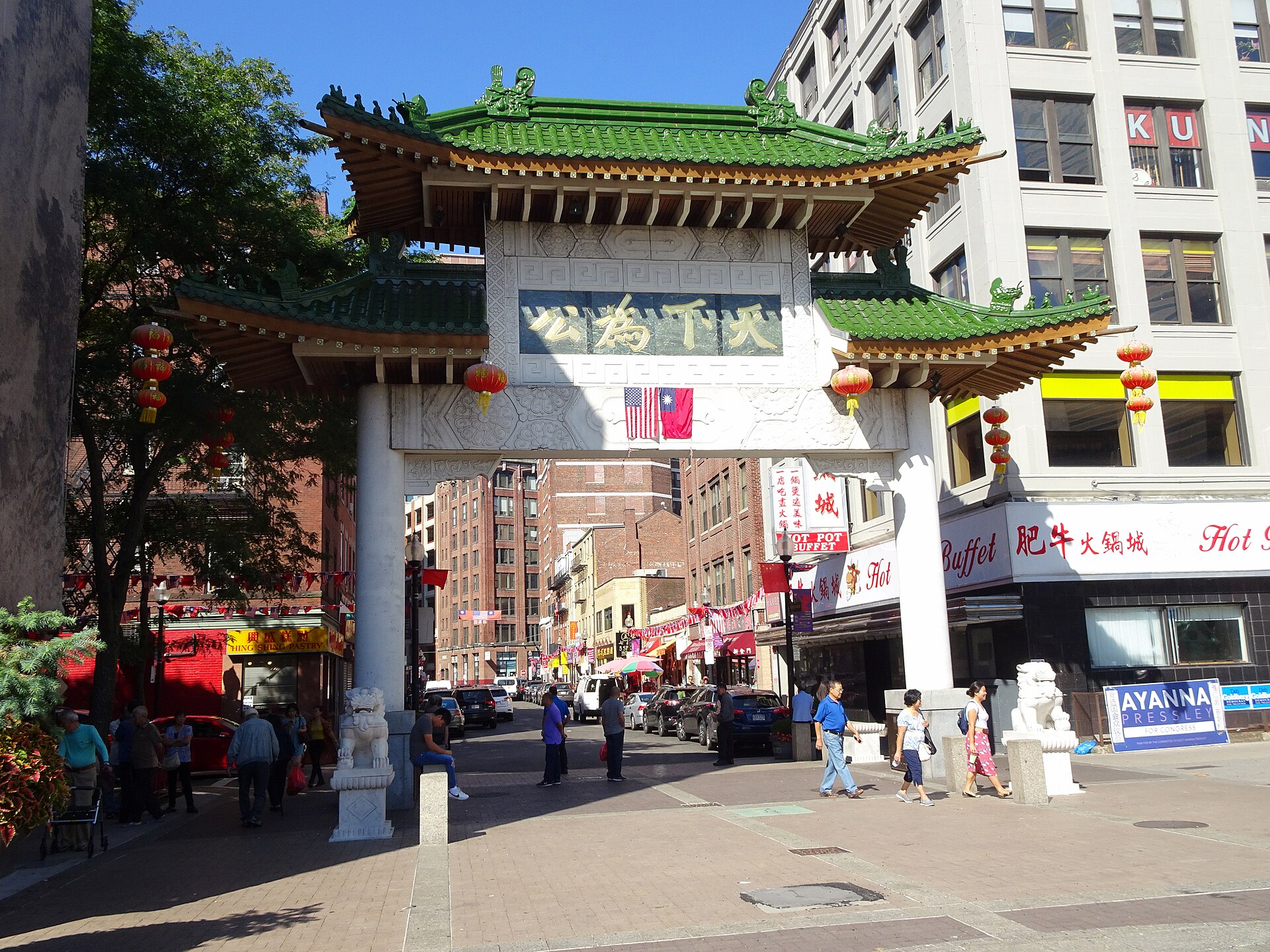
Boston’s Chinatown emerged on inexpensive, filled land in South Cove and endured successive pressures from federal immigration restrictions, postwar highway building and redevelopment. Historical accounts describe a neighborhood sustained by businesses, community institutions and organizing, even as outside projects took away land.
The National Park Service’s account of Chinatown’s beginnings and historical projects highlighted by the Chinese Historical Society of New England trace that development from an immigrant settlement to an economic and cultural center. They also describe how residents and organizations developed a stronger role in debates over the neighborhood’s future.
A foothold in South Cove
Chinese merchants and workers began arriving in New England in the middle of the 19th century. Many initially planned a temporary stay, hoping their earnings would improve conditions for their families in China, according to the Park Service.
One possible route to Boston ran through western Massachusetts. In 1870, Sampson’s Shoe Factory in North Adams brought 75 Chinese workers from California to break a strike, then recruited 50 more. The Park Service says scholars believe some may later have headed to Boston amid increasing anti-Chinese violence in California, although their destinations remain uncertain.
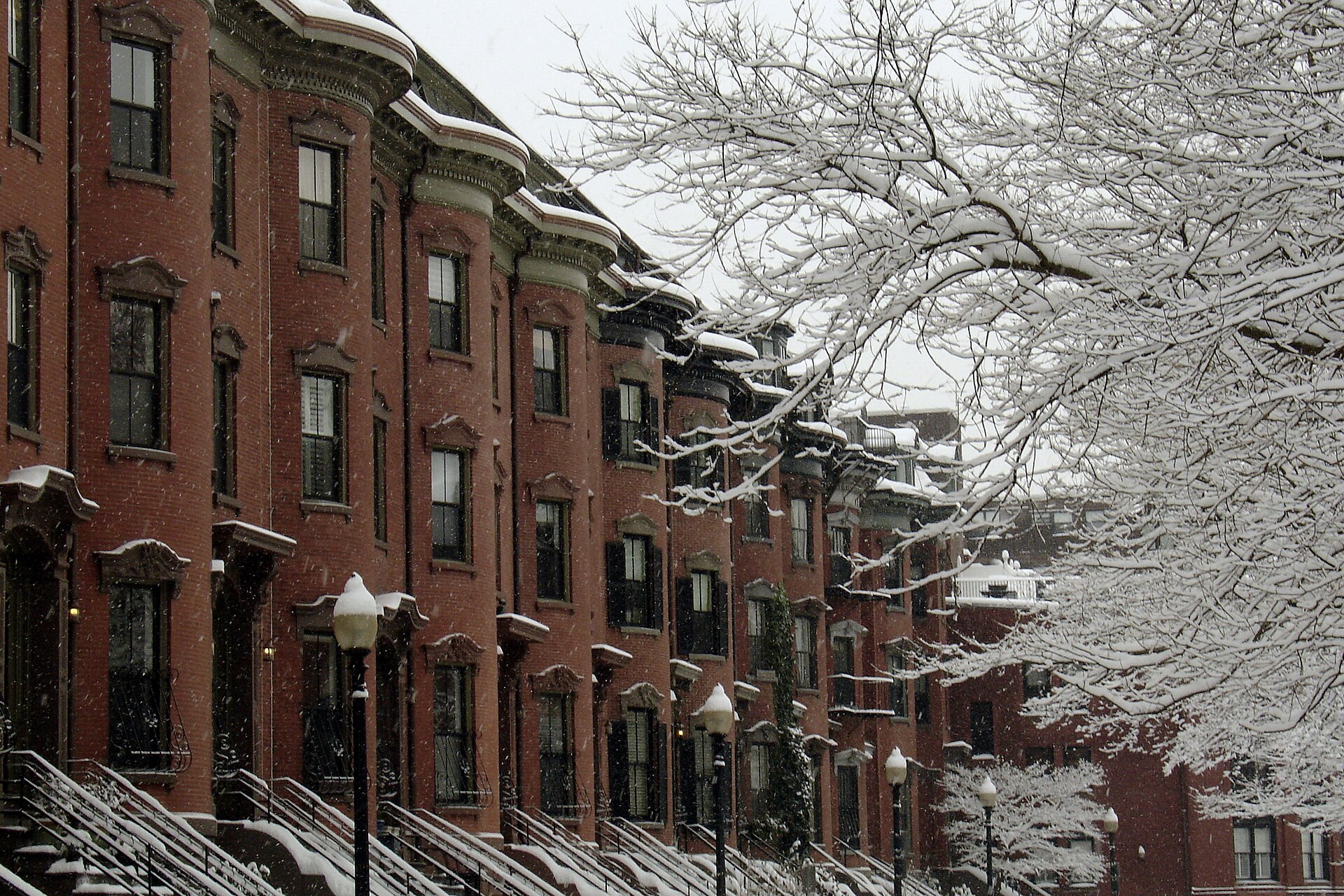
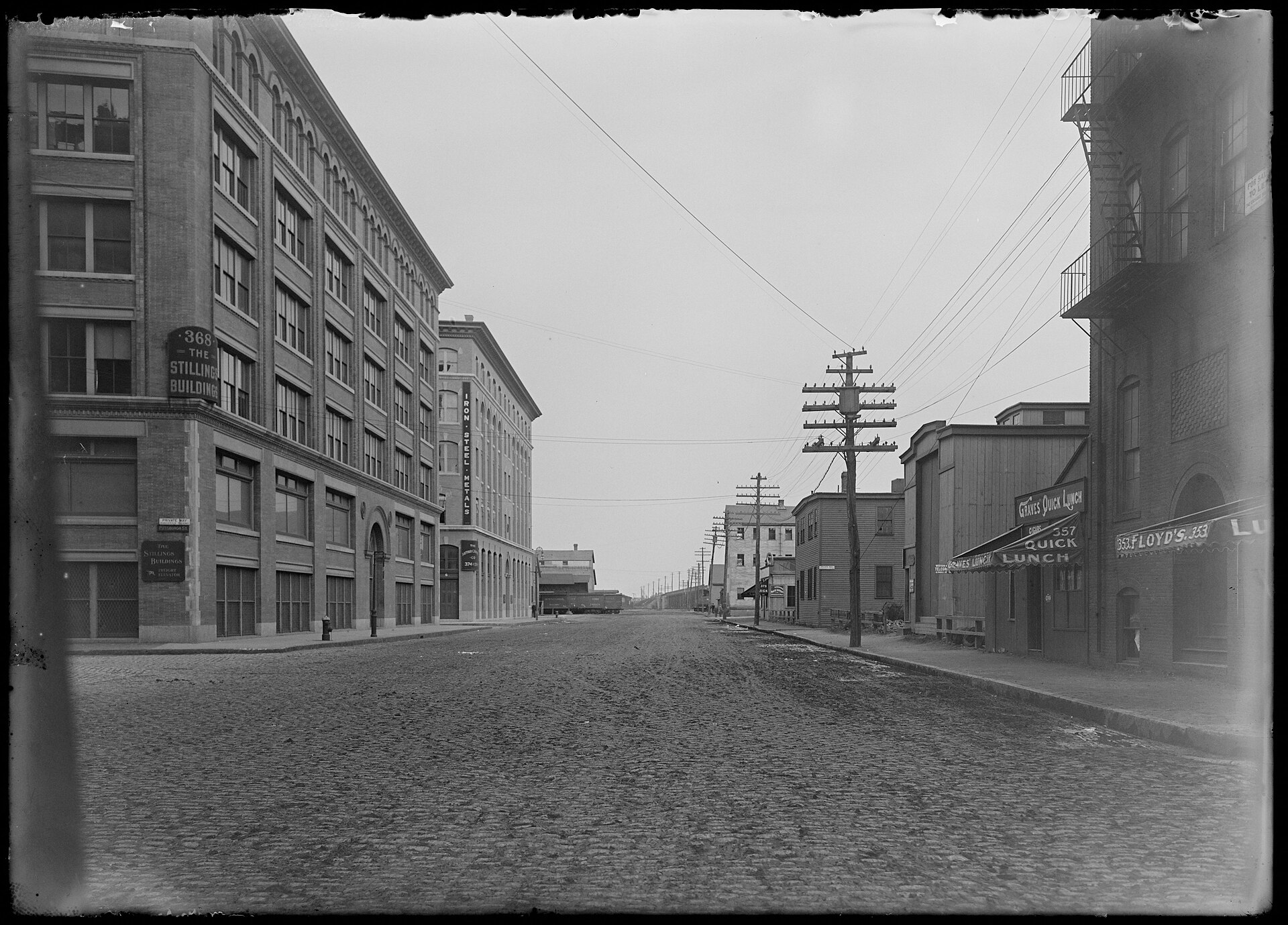
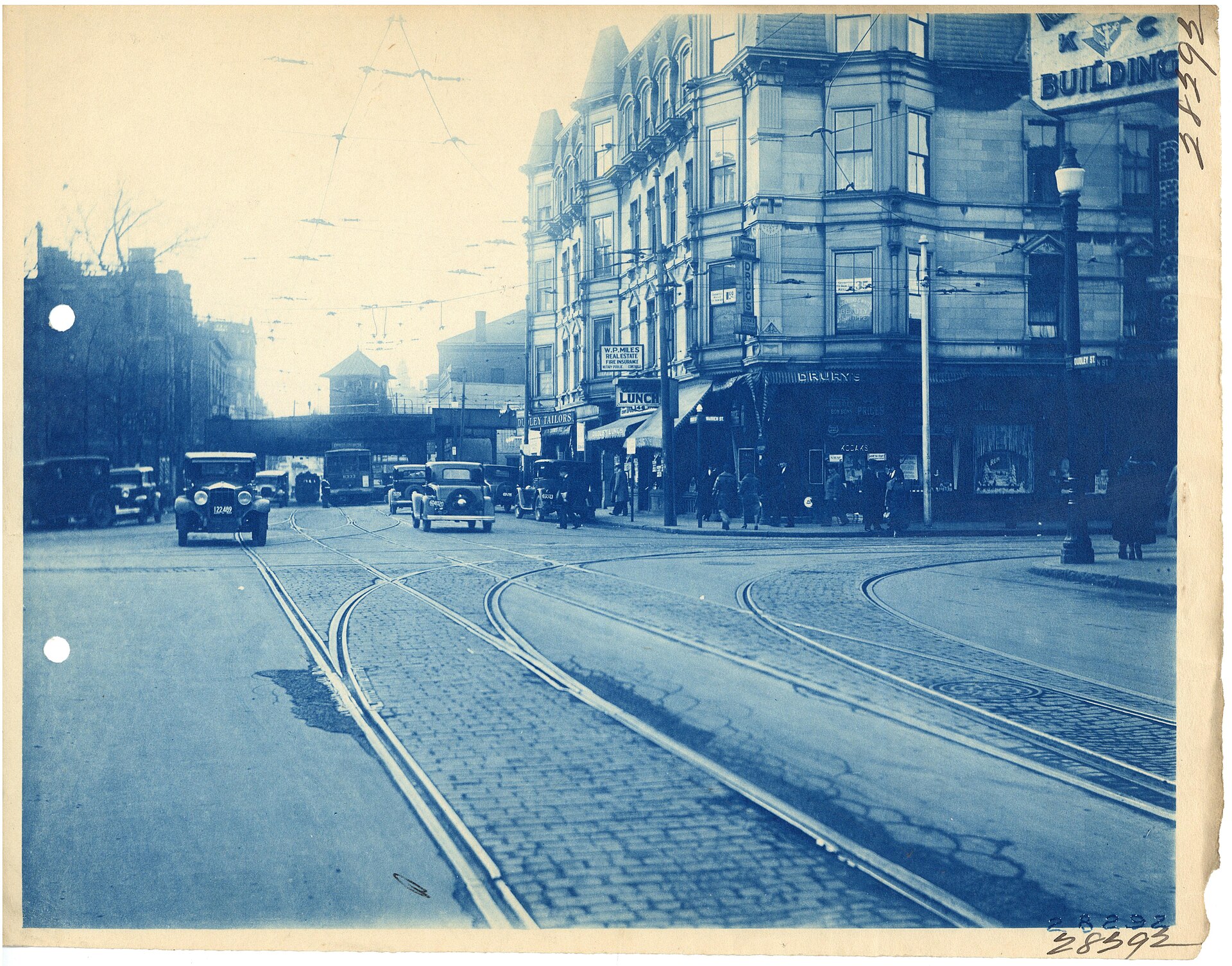
In Boston, Chinese newcomers settled in South Cove, between downtown and the South End. The area had been filled to accommodate railroad infrastructure and row houses. Its relatively inexpensive property and rents provided a foothold for immigrants. The Park Service also identifies Syrian, Italian, Jewish and Irish immigrant communities in the area.
The early Chinese settlement was overwhelmingly male. Shops provided food and household goods, restaurants offered familiar meals, and associations connected people from the same villages and helped deliver correspondence from home. Those services gave workers a community base far from their families.
Discrimination narrowed employment options. With Chinese workers increasingly shut out of construction and manufacturing, many opened laundries near rail routes and streetcar lines throughout the region. According to the Park Service, those businesses required limited startup money and little English, while serving a market with few non-Chinese competitors.
Exclusion and changing pressures
The Chinese Exclusion Act of 1882 barred Chinese laborers from entering the United States, with exceptions for merchants and certain other categories. The restrictions lasted until repeal in 1943 and profoundly affected the Chinese American population’s size and balance between men and women, the Park Service reports.
Despite those barriers, the community continued to develop. The Park Service describes immigrants finding ways around exclusion restrictions, followed by changes in immigration policy and expanding community activities that helped shape the neighborhood.
After World War II, threats increasingly involved the land itself. The historical society’s presentation of Chinatown scholar and activist Michael Liu’s work describes highway projects and urban renewal as major pressures, followed by struggles involving commercial development. His account examines efforts to resist property takings by public agencies and outside institutions, alongside disagreements and differing strategies within the community.
That history includes both losses of neighborhood ground and a growing voice for residents and organizations in decisions affecting Chinatown, according to the society.
Another effort to document those changes, the Boston Chinatown Atlas, draws on archives, census records and community interviews. Highlighted by the historical society in 2016, the project uses maps, photographs and personal accounts to explain the neighborhood’s evolution. Led by MIT professor emeritus Tunney Lee and collaborators, it places Chinatown’s story within Greater Boston’s history while preserving records of the community’s changing physical and social landscape.