
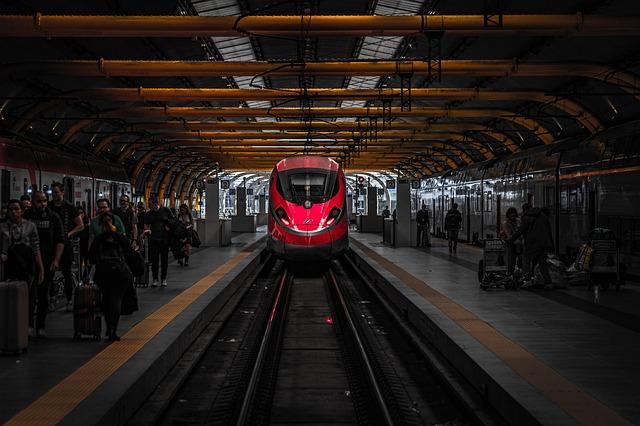
The advent of high-speed rail promises to transform the way Massachusetts connects its western and eastern regions, fostering unprecedented economic growth, environmental benefits, and transportation efficiency. As the state explores cutting-edge rail infrastructure, the potential to bridge the geographic divide stands to invigorate local communities, reduce travel times dramatically, and contribute to lasting advancement. This article examines how high-speed rail could serve as a vital link, reshaping the social and economic landscape across Massachusetts.
Table of Contents
- Benefits of High-Speed Rail for Economic Integration Between Western and Eastern Massachusetts
- Transforming Commute Patterns and Reducing Traffic Congestion in Key Urban Centers
- Environmental Implications and Sustainable Development Opportunities Along the Rail Corridor
- Policy Recommendations for Maximizing High-Speed Rail’s Regional Connectivity and Growth Potential
- Wrapping Up
Benefits of High-Speed Rail for Economic Integration Between Western and Eastern Massachusetts
Implementing high-speed rail (HSR) between Western and Eastern Massachusetts promises to dramatically reshape the economic landscape by bridging long-standing regional divides. Faster, more reliable transit will facilitate easier access to jobs, education, and markets across the state, bolstering workforce mobility and attracting diverse investments. Key urban centers in the east, including Boston, could see a spillover effect of knowledge-based industries migrating westward, fostering balanced regional prosperity. Moreover, HSR’s potential to stimulate transit-oriented development along the corridor offers new opportunities for sustainable urban growth and vibrant community hubs, reducing dependency on road networks.
The economic integration benefits extend beyond mere speed and convenience. High-speed rail can act as a catalyst for:
- Job creation across construction, technology, and service sectors.
- Small business growth by increasing visitor flow and workforce accessibility.
- Increased property values and revitalization of underutilized areas.
- Reduced regional inequalities by connecting economically lagging western towns to eastern economic engines.
Ultimately, this infrastructure investment aligns with proven global trends where enhanced connectivity fosters regional economic vibrancy, positioning Massachusetts as a leader in innovation-driven growth.Rail-White-Paper_7-May-2025.pdf”>[[3]]
Transforming Commute Patterns and Reducing Traffic Congestion in Key Urban Centers
As the high-speed rail network extends across Massachusetts, it is poised to revolutionize daily commutes by offering a swift and reliable alternative to traditional road travel. This transformative infrastructure drastically reduces the number of vehicles clogging highways, notably during peak hours, resulting in smoother traffic flow and shorter travel times. Urban centers in both Western and Eastern Mass are witnessing a significant shift as commuters increasingly opt for rail, which not only accelerates their journey but also eases the chronic congestion that has long plagued major roadways.
Key benefits include:
- Substantial alleviation of traffic jams on critical corridors.
- Improved air quality due to fewer emissions from idling cars.
- Enhanced reliability and punctuality compared to highway travel.
- Substantial relief on airport runway congestion by diverting regional travelers.
High-speed rail’s role as a congestion-buster is unmatched, providing a consistent, on-time transportation option unaffected by road delays.This infrastructural advancement is not just reshaping travel behavior-it is setting a new standard for intercity connectivity and urban mobility in the Commonwealth.
Environmental Implications and Sustainable Development Opportunities Along the Rail Corridor
The introduction of high-speed rail through Massachusetts promises significant environmental benefits, drastically reducing reliance on automobiles and fossil fuels.By offering a cleaner alternative for cross-state travel, the rail corridor could lead to a substantial drop in greenhouse gas emissions and air pollutants, contributing to improved regional air quality. Additionally, the project emphasizes the protection and integration of natural habitats, with careful planning to minimize disruption to ecosystems. Incorporating green infrastructure and renewable energy sources into station design and operations further enhances the corridor’s eco-friendly footprint.
Beyond environmental mitigation, the rail initiative creates powerful opportunities for sustainable development. It encourages transit-oriented growth that revitalizes urban centers while preserving open spaces and farmlands. Communities along the route stand to benefit from:
- Increased investment in local green projects and energy-efficient buildings
- Enhanced pedestrian and cycling infrastructure that reduces car dependency
- Job creation in sustainable industries linked to construction and ongoing operations
- Expanded access to affordable, eco-friendly transportation, promoting social equity
Together, these elements chart a path toward balanced economic growth that respects both environmental integrity and community wellbeing.
Policy Recommendations for Maximizing High-Speed Rail’s Regional Connectivity and Growth Potential
To unlock the full potential of high-speed rail in bridging Western and Eastern Massachusetts, policymakers must prioritize a coordinated federal-state approach. Strategic investments in infrastructure modernization will ensure seamless regional connectivity, fostering economic growth hubs along the corridor. Ensuring interoperability between existing rail networks and new high-speed lines is crucial to maximize ridership and minimize transfer times. Moreover, integrating land use planning around stations can stimulate transit-oriented development, creating vibrant, accessible urban centers that support sustainable growth. Essential measures include:
- Establishing clear governance frameworks that define roles and responsibilities among federal, state, and local stakeholders
- Securing dedicated funding streams for phased project delivery, reducing reliance on fluctuating political priorities
- Mandating environmental and community impact assessments to promote equitable development
Stakeholder engagement must extend beyond government entities to include business leaders, advocacy groups, and residents to build consensus and foster public trust. Emphasizing data-driven performance metrics will help track progress toward reducing regional travel times and boosting economic activity. Alignment with broader climate goals also positions high-speed rail as a cornerstone for Massachusetts’ sustainable transportation future. In sum, targeted policy actions that blend technical innovation with community-centered planning can transform high-speed rail from a concept into a catalyst for regional integration and prosperity.
Wrapping Up
As Massachusetts moves forward with plans for high-speed rail, the potential to bridge the gap between its western and eastern regions becomes increasingly tangible. This transformative infrastructure promises not only to revitalize economic opportunities and accessibility but also to reshape how residents commute and connect across the state. While challenges remain, the anticipated benefits underscore a pivotal moment in Massachusetts’ transportation history-one that could redefine regional integration for decades to come. Stakeholders and residents alike will be watching closely as this ambitious project unfolds, hopeful that it will deliver on its promise to unite the Commonwealth more efficiently and equitably.