
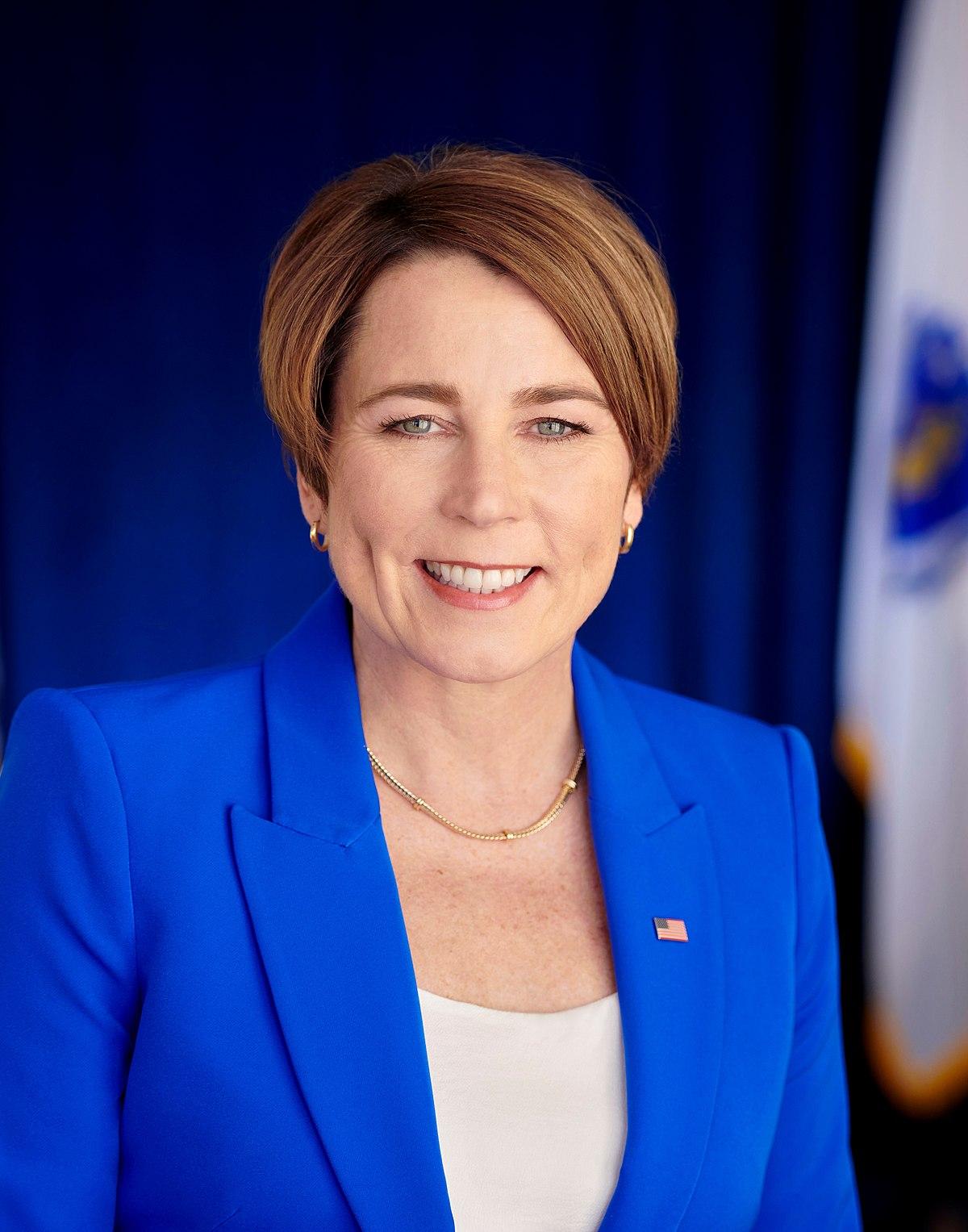
Massachusetts Governor Maura Healey has officially signed a $60.9 billion state budget plan,marking a notable milestone in the Commonwealth’s fiscal policy for the upcoming year. The complete budget, aimed at addressing key priorities such as education, healthcare, and infrastructure, outlines the governance’s commitment to economic growth and social wellbeing. Governor Healey’s approval of the budget underscores her focus on strategic investments designed to benefit residents across Massachusetts.
Table of Contents
- Governor Maura Healey Approves Record $60.9 Billion Budget to Boost Education and Infrastructure
- Health Care Funding Sees Significant Increase to Expand Public Access and Services
- Economic Growth Prioritized with Investments in Workforce Development and Small Business Support
- Budget Includes Strategic Climate Initiatives Aimed at Sustainable Development and Environmental Protection
- The Conclusion
Governor Maura Healey Approves Record $60.9 Billion Budget to Boost Education and Infrastructure
In a landmark move, Governor Maura Healey has signed a $60.9 billion state budget, marking the largest investment in Massachusetts history aimed at bolstering education and infrastructure. The approved plan injects substantial funding into public schools, universities, and community colleges, with a focus on expanding access, improving facilities, and supporting educators. Key allocations emphasize increasing teacher salaries, modernizing school buildings, and advancing STEM programs to prepare students for future workforce demands.
The infrastructure components of the budget highlight a comprehensive approach to revitalizing transportation networks and public utilities across the state.The plan includes:
- Major upgrades to roads, bridges, and public transit systems to reduce congestion and enhance safety.
- Investment in sustainable energy projects and climate resilience measures.
- Expansion of broadband access aimed at rural and underserved communities.
Governor Healey emphasized that this historic budget reflects a commitment to economic growth, environmental stewardship, and educational excellence, positioning Massachusetts as a leader in the nation for years to come.
Health Care Funding Sees Significant Increase to Expand Public Access and Services
The newly signed $60.9 billion state budget marks a historic increase in healthcare funding, aimed at broadening public access and enhancing service delivery across Massachusetts. This budget allocates significant resources to tackle longstanding health disparities by investing in innovative programs designed to reach vulnerable populations. Key areas receiving boosted support include mental health services, preventive care initiatives, and expanded coverage for uninsured residents. With an emphasis on sustainability and equity, the plan also bolsters funding for community health centers and telehealth capabilities to ensure no resident is left behind.
Among the priorities outlined are:
- Increased funding for charity care programs that provide sliding scale fees and interest-free loans to assist patients financially.
- Expansion of statewide health education campaigns to promote preventive screenings and early diagnosis.
- Investment in healthcare infrastructure upgrades such as new medical equipment and technology in underserved regions.
- Support for public health initiatives aimed at disease prevention and community wellness.
This comprehensive approach promises to improve health outcomes and reduce barriers experienced by thousands throughout the commonwealth.
Economic Growth Prioritized with Investments in Workforce Development and Small Business Support
The newly signed $60.9 billion state budget underscores a strategic commitment to fueling economic resilience through targeted investments in workforce development and the empowerment of small businesses. By channeling funds into skill-building initiatives and vocational training programs, the plan aims to equip Massachusetts residents with the tools necessary to thrive in a rapidly evolving job market, especially amidst the ongoing green transition and technological innovation.
Key areas of focus include:
- Expansion of job training programs tailored to emerging industries.
- Increased funding for apprenticeship and vocational centers to bridge skills gaps.
- Support frameworks for small business growth enhancing access to capital and resources.
Moreover, the budget prioritizes robust aid for small business owners to stimulate local economies and foster innovative startups. This measure is expected to catalyze job creation and sustain economic momentum statewide by providing targeted grants, tax incentives, and technical support designed to address the unique challenges faced by small enterprises. These initiatives reflect a broader focus on economic equity and sustainability, aligning with global trends that emphasize inclusive growth and workforce readiness for future jobs.
Budget Includes Strategic Climate Initiatives Aimed at Sustainable Development and Environmental Protection
The recently signed $60.9 billion state budget dedicates substantial resources towards enterprising climate initiatives designed to foster sustainable growth and protect the habitat. Central to this commitment is an emphasis on reducing greenhouse gas emissions, advancing clean energy technologies, and enhancing community resilience against the impacts of climate change. This comprehensive approach integrates environmental priorities with economic development strategies, ensuring long-term benefits for both the planet and the state’s residents.
Key components of the plan include:
- Investment in renewable energy infrastructure to accelerate the transition from fossil fuels
- Support for innovative green technologies and clean transportation options
- Programs aimed at conserving natural resources and expanding urban green spaces
- Funding for climate adaptation measures in vulnerable communities to enhance safety and sustainability
The Conclusion
Governor Maura Healey’s signing of the $60.9 billion state budget marks a significant step in shaping the fiscal landscape of Massachusetts for the coming year. With a focus on key priorities such as education, healthcare, and infrastructure, the budget reflects the administration’s commitment to addressing the needs of its residents while navigating economic challenges. As implementation begins, all eyes will be on how these investments translate into tangible benefits for communities across the state.