
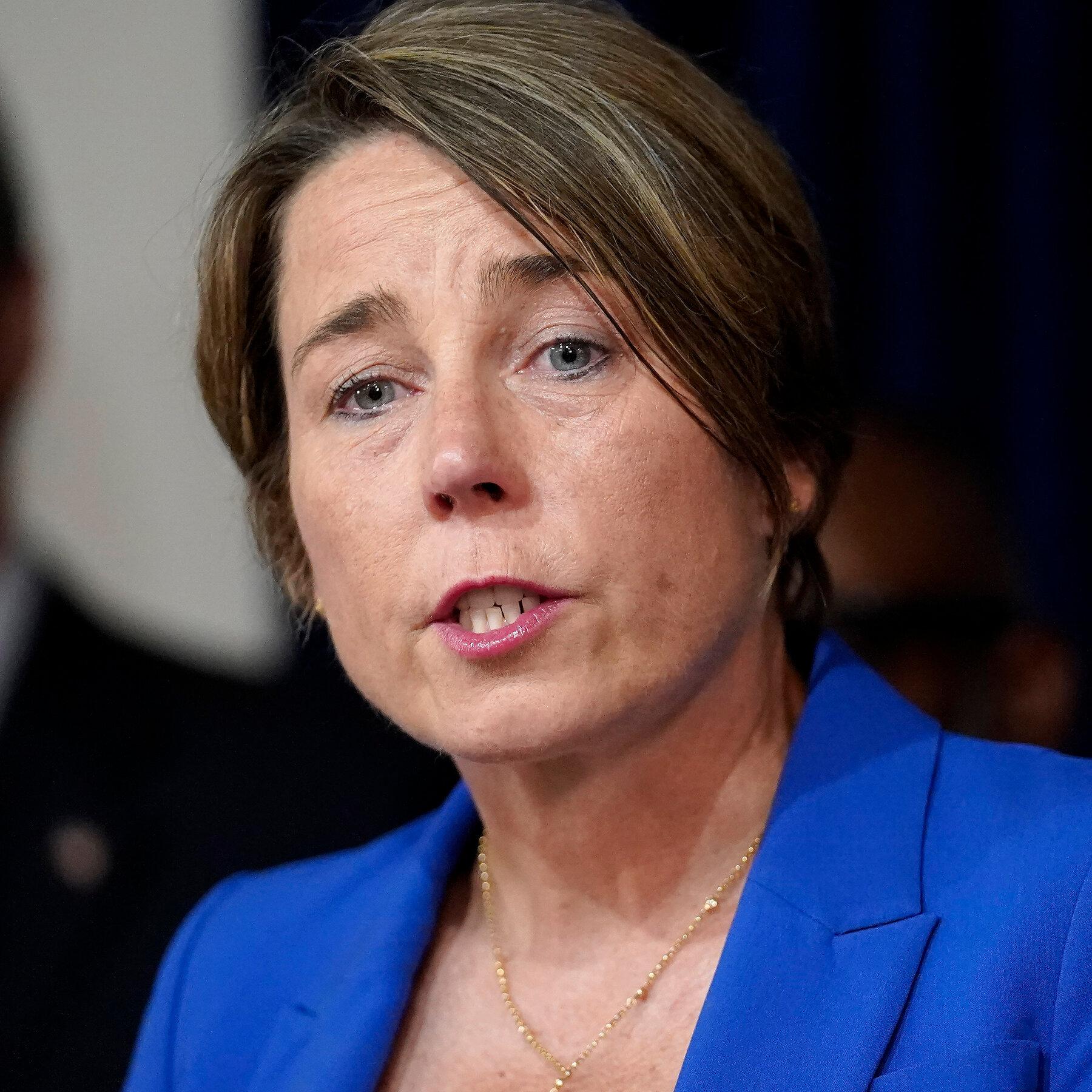
Governor Maura Healey has unveiled a landmark $8 billion transportation plan aimed at stabilizing the Massachusetts Bay Transportation Authority’s (MBTA) finances while boosting investments in the state’s roads, bridges, and regional transit systems. The ambitious initiative, set to unfold over the next decade, intends to secure the MBTA’s long-term financial health and improve infrastructure without raising taxes, relying instead on a voter-approved surtax on high earners and strategic borrowing. This extensive plan marks the largest state transportation investment in Massachusetts history and seeks to provide immediate fiscal relief and sustainable funding for the MBTA and broader transit network.[1] [3]
Table of Contents
- Gov Healey Outlines Comprehensive Funding Strategy to Address MBTA Deficits
- New Revenue Streams and Cost-Saving Measures Central to Financial Stability Plan
- Infrastructure Investments Aim to Improve Service Reliability and Rider Experience
- Administration Calls for Legislative Support to Implement Long-Term Fiscal Reforms
- Key Takeaways
Gov Healey Outlines Comprehensive Funding Strategy to Address MBTA Deficits
Governor Healey unveiled a robust $8 billion funding strategy aimed at eliminating the Massachusetts Bay Transportation Authority’s (MBTA) persistent budget deficits, ensuring sustainable operations and enhanced service reliability. The plan prioritizes long-term fiscal health by combining increased state contributions, targeted federal grants, and efficiency initiatives within MBTA management. Officials highlighted that this comprehensive approach will address structural financial challenges that have hindered transit improvements and rider experience.
Key components of the strategy include:
- A commitment to stabilize funding streams through dedicated revenue mechanisms
- Improved capital investment plans to modernize aging infrastructure
- Operational reforms aimed at reducing costs and optimizing resource allocation
State leaders emphasized the importance of sustained collaboration with federal partners and local stakeholders to maximize funding impact. This initiative not only seeks to correct existing financial imbalances but also sets a foundation for future growth, aiming to restore public trust and bolster Massachusetts’ transit system as a vital economic driver.
New Revenue Streams and Cost-Saving Measures Central to Financial Stability Plan
Governor Healey’s $8 billion blueprint incorporates innovative revenue streams alongside rigorous cost-saving strategies designed to bolster the MBTA’s fiscal health. Central to this effort is the exploration of diverse income sources beyond traditional fare collections, including expanded commercial partnerships, targeted advertising initiatives, and leveraging real estate assets. These moves aim to generate sustainable, recurring income, thereby reducing dependence on state subsidies and increasing financial resilience.
On the expenditure side, the plan emphasizes operational efficiencies and modernization projects to curb long-term costs. Key measures include:
- Enhanced fleet maintenance protocols to reduce expensive emergency repairs.
- Streamlining administrative functions through technology integration.
- Energy-saving upgrades to MBTA infrastructure to lower utility expenses.
These steps collectively promise to create a leaner, more adaptive transit system capable of meeting future challenges while protecting taxpayer investments.
Infrastructure Investments Aim to Improve Service Reliability and Rider Experience
The plan allocates considerable funds toward modernizing critical infrastructure across the MBTA network, targeting long-standing reliability issues. Key investments include upgrades to signal systems,station renovations,and track replacements,all designed to minimize delays and enhance overall safety. These improvements aim to reduce equipment failures and service disruptions that have plagued commuters, providing a smoother, more dependable transit experience for thousands of daily riders.
Major focus areas encompass:
- State-of-the-art signal and interaction technologies to improve operational efficiency
- Comprehensive station accessibility upgrades, ensuring compliance with ADA standards
- Renewal of aging track infrastructure on heavily trafficked lines to facilitate faster, more reliable service
- Enhanced maintenance facilities to support quicker turnaround and minimize downtime of rolling stock
By prioritizing these infrastructure projects, the MBTA expects to foster increased rider satisfaction while supporting sustainable growth and long-term financial stability.
Administration Calls for Legislative Support to Implement Long-Term Fiscal Reforms
The administration is urging lawmakers to rally behind a series of structural reforms aimed at securing the Massachusetts Bay Transportation Authority’s financial future. Faced with escalating debt and persistent budget shortfalls, state officials emphasize that without legislative backing, the $8 billion recovery strategy risks falling short. These reforms are designed to overhaul revenue mechanisms and spending protocols, ensuring the MBTA can deliver vital transit services sustainably for decades to come.
Key components of the proposed legislative package include:
- Authorization of new revenue streams to close funding gaps
- Enhanced fiscal oversight and reporting requirements to improve transparency
- Support for multi-year capital investment plans targeting system reliability and safety
- Measures to control operational costs without compromising service quality
State leaders stress that timely legislative approval is critical to prevent worsening deficits and to capitalize on ongoing infrastructure investments,such as the recently approved $850 million safety and reliability bond. Collaborative action will be essential to transform the MBTA’s financial landscape and ensure reliable transit access for all Massachusetts residents.
[1] [2] [3]
Key Takeaways
Governor Maura Healey’s $8 billion transportation proposal marks a important step toward addressing the longstanding financial challenges facing the MBTA. By leveraging voter-approved surtaxes on high earners and focusing on immediate stabilization alongside strategic investments, this plan aims to secure the future of public transit in Massachusetts. As the details roll out and implementation begins, stakeholders and commuters alike will be watching closely to see how this ambitious effort reshapes the state’s transportation landscape. For ongoing updates, stay connected to developments surrounding this pivotal initiative.[1][2][3]