
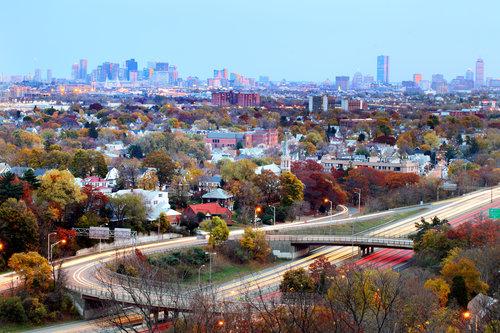
The Greater Boston suburban housing market is on the cusp of significant transformation as emerging trends begin to reshape the landscape for homebuyers, developers, and policymakers alike. From shifting demographics and evolving lifestyle preferences to advancements in sustainable building practices and transportation infrastructure, these factors are converging to influence where and how people choose to live outside the city core. This article examines the key trends poised to define the future of suburban housing in Greater Boston, offering insights into market dynamics, pricing, and what residents can expect in the coming years.
Table of Contents
- Shifting Demographics Drive Demand for Diverse Housing Options
- Impact of Remote Work on Suburban Real Estate Development
- Sustainability and Smart Technology Shape New Home Designs
- Policy Recommendations to Address Affordability and Infrastructure Needs
- Final Thoughts
Shifting Demographics Drive Demand for Diverse Housing Options
As Greater Boston’s suburbs continue to evolve, the makeup of its population is emerging as a powerful catalyst for steering housing market dynamics. A growing number of younger families, professionals, and ethnic minorities are seeking residences that reflect their diverse lifestyles and cultural preferences. Consequently, developers and real estate agents are pivoting away from the traditional single-family home model, embracing a broader spectrum of housing types that promote inclusivity and adaptability.
Key preferences shaping demand include:
- Multigenerational units facilitating extended family living arrangements
- Mixed-use developments that combine residential, retail, and community spaces
- Affordable, compact housing tailored to young professionals and downsizing seniors
- Accessible designs accommodating residents with mobility needs
Real estate forecasts suggest that suburban planners must innovate not only in design but also in policy, encouraging zoning flexibility to accommodate this tide of shifting demographic needs. The neighborhoods that adapt quickest are positioned to thrive, attracting a mosaic of residents seeking vibrant, interconnected community living without sacrificing proximity to urban amenities.
Impact of Remote Work on Suburban Real Estate Development
The widespread adoption of remote work has triggered a profound shift in suburban real estate dynamics throughout the Greater Boston area. As professionals seek more spacious environments conducive to work-from-home setups, demand for larger homes with dedicated office spaces has surged, prompting developers to recalibrate their strategies. This shift has spurred a rise in single-family home projects, as opposed to the high-density apartments traditionally favored near urban centers. Suburban towns are witnessing increased interest not only for their affordability but also for lifestyle factors such as access to green spaces, quality local schools, and lower congestion.
Developers and planners are increasingly incorporating amenities tailored to the remote workforce to capture this growing market. Critical features include:
- High-speed internet infrastructure as a priority for new construction and renovations
- Flexible interior layouts designed to accommodate multi-functional home offices
- Community hubs that blend work, recreation, and social interaction
These trends reflect an evolving suburban identity-less a commuter dormitory and more a hybrid community where living and working coexist seamlessly. The ripple effects extend beyond housing, influencing transportation, retail, and public services development in these areas.
Sustainability and Smart Technology Shape New Home Designs
Across Greater Boston’s suburbs, new residential developments are increasingly integrating eco-conscious materials and cutting-edge technology to meet the demands of modern homebuyers. Builders are prioritizing energy-efficient features such as high-performance insulation, solar panels, and smart HVAC systems designed to reduce carbon footprints and lower utility bills. In tandem, smart home devices-from automated lighting to AI-driven security systems-enhance convenience while promoting sustainability by optimizing resource use.
Market analysts note several key trends reshaping suburban living experiences:
- Renewable energy integration: Photovoltaic systems and battery storage solutions are becoming standard in new builds.
- Water conservation technologies: Rainwater harvesting and smart irrigation systems help mitigate the impact on local water supplies.
- Connected home ecosystems: Seamless integration between devices offers real-time energy monitoring and personalized living environments.
Collectively, these innovations signal a shift towards homes that are not only more environmentally responsible but also smarter, safer, and better aligned with the nuanced lifestyle expectations of Greater Boston’s suburban families.
Policy Recommendations to Address Affordability and Infrastructure Needs
To effectively tackle the persistent affordability challenges in Greater Boston’s suburbs, policymakers must adopt a multifaceted approach that promotes sustainable growth while preserving community character. Key measures include:
- Incentivizing the development of mixed-income housing: Encouraging builders through tax credits and streamlined permitting to incorporate affordable units alongside market-rate homes.
- Expanding zoning reforms: Revising single-family zoning restrictions to allow for more diverse housing types such as duplexes and accessory dwelling units (ADUs), increasing overall housing stock without sprawling outward.
- Enhancing community land trusts: Supporting nonprofit models that maintain long-term affordability by controlling land and separating it from housing ownership.
Beyond affordability, infrastructure investments must keep pace with growth to ensure quality of life and accessibility. Critical focus areas include:
- Improving public transit networks: Expanding bus routes and commuter rail services to reduce car dependency and connect suburban neighborhoods with urban job centers.
- Upgrading utilities and digital infrastructure: Boosting broadband access and modernizing water and energy systems to support denser residential developments and future-proof communities.
- Prioritizing green infrastructure: Incorporating sustainable stormwater management and expanding parks to enhance environmental resilience and livability.
Final Thoughts
As Greater Boston’s suburban housing market continues to evolve, these emerging trends highlight a dynamic landscape shaped by shifting demographics, technological advancements, and changing lifestyle preferences. Stakeholders-from developers and policymakers to prospective homeowners-will need to stay attuned to these developments to navigate the opportunities and challenges ahead. With affordability, sustainability, and connectivity at the forefront, the future of suburban housing around Boston promises to be as complex as it is compelling, reflecting broader shifts in how communities grow and thrive in the years to come.