
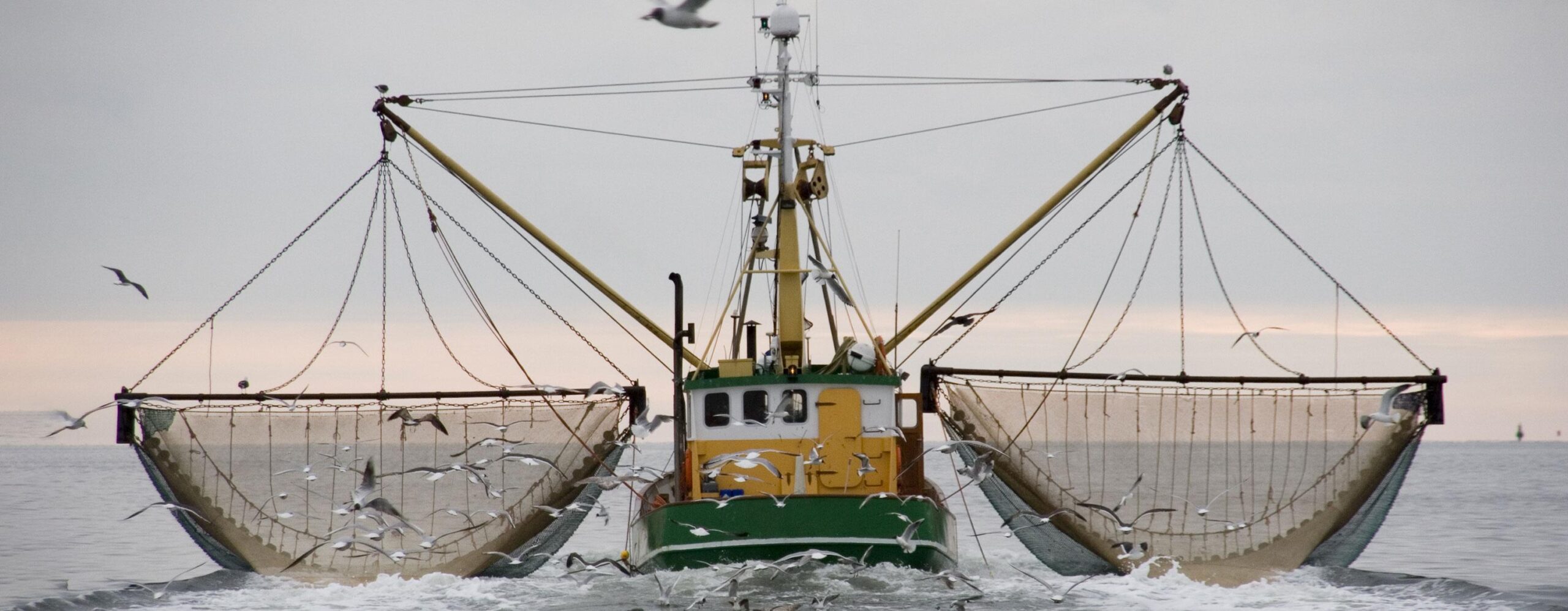
The commercial fishing industry is grappling with a series of escalating economic challenges that threaten its stability and future growth. Rising operational costs, fluctuating market demand, and regulatory pressures are converging to create a difficult surroundings for fishermen and associated businesses. As the industry struggles to adapt, stakeholders are calling for strategic solutions to sustain livelihoods and protect this vital sector of the economy.
Table of Contents
- Commercial Fishing Industry Confronts Rising Operational Costs Amid Market Uncertainty
- Declining Fish Stocks and Environmental Regulations Strain Commercial Harvests
- Technological Innovations Offer Paths to Efficiency and Sustainability
- Policy Changes and Support Measures Critical to Revitalize Fishing Communities
- Key Takeaways
Commercial Fishing Industry Confronts Rising Operational Costs Amid Market Uncertainty
The commercial fishing industry is grappling with a surge in operational expenses that threaten to reshape the sector’s economic landscape. Key factors driving cost increases include rising fuel prices, enhanced regulatory compliance demands, and escalating maintenance costs for vessels. These financial pressures are compounded by market uncertainties such as fluctuating seafood prices and shifting consumer demand, creating a precarious environment for fishermen and seafood suppliers alike.
Industry stakeholders report several critical challenges, including:
- Escalating costs of diesel and marine fuel impacting daily operations
- Increased expenditure on safety and environmental regulations
- Volatility in global seafood markets reducing profit margins
- Unpredictable weather conditions affecting catch volumes
Against this backdrop, many operators are seeking innovative strategies to sustain profitability, ranging from investment in fuel-efficient technologies to exploring alternative markets.However, the path forward remains uncertain as the industry contends with both economic pressures and evolving policy landscapes.
Declining Fish Stocks and Environmental Regulations Strain Commercial Harvests
Commercial fishers are encountering unprecedented hurdles as natural fish populations dwindle, forcing a sharper competition for increasingly scarce resources. Scientific assessments reveal that many key species have dropped below sustainable levels, threatening the future of traditional fishing grounds. These declines have not only driven down haul volumes but also introduced volatility to market prices, directly impacting fishermen’s livelihoods and local economies dependent on these harvests.
Compounding these challenges, stricter environmental regulations impose tighter quotas and seasonal restrictions aimed at preserving marine ecosystems. While necessary for long-term sustainability, these measures frequently enough translate into shorter fishing seasons and increased operational costs. Fishermen now face a complex balancing act:
- Adhering to rigorous catch limits while striving to maintain income
- Investing in sustainable practices and gear modifications
- Adjusting routes and targeting alternative species with uncertain market demand
This combination of ecological pressures and regulatory frameworks is reshaping the commercial fishing industry, demanding innovation and resilience in equal measure.
Technological Innovations Offer Paths to Efficiency and Sustainability
The advent of cutting-edge technologies is transforming the commercial fishing sector, providing critical tools to enhance operational efficiency while promoting environmental stewardship. Advanced fish-finding sonar systems and real-time satellite tracking enable fishers to optimize their routes and reduce fuel consumption considerably. Meanwhile, the integration of automated sorting and processing machinery accelerates productivity on vessels, lowering labor costs and minimizing waste. These innovations not only bolster profit margins but also lessen the carbon footprint of fishing fleets, aligning economic goals with ecological duty.
Moreover, sustainability is increasingly being supported through digital monitoring and data analytics platforms that facilitate compliance with regulatory frameworks and enable adaptive management of fish stocks. Key technological advancements include:
- Smart nets equipped with sensors that reduce bycatch by identifying and releasing unintended species.
- Blockchain-based traceability systems that ensure openness from catch to consumer, helping maintain market access amid growing demand for sustainable seafood.
- Renewable energy propulsion systems for vessels, cutting reliance on fossil fuels and lowering emissions.
As the industry battles economic pressures, these technological breakthroughs establish new pathways toward a future where profitability and environmental care coexist.
Policy Changes and Support Measures Critical to Revitalize Fishing Communities
Urgent reform in fishing policies is essential to counteract the escalating economic pressures faced by commercial fishing communities. Stakeholders advocate for adaptive management frameworks that balance sustainability with fishermen’s livelihoods. Enhanced regulatory adaptability, such as seasonal adjustments and quota recalibrations, could alleviate the financial strain on small-scale operators. Equally critical is bolstering access to financial support programs that offer relief through direct subsidies, low-interest loans, and investment in sustainable fishing technologies.
Community-centric support measures remain vital for revitalization efforts. Priorities include:
- Targeted job retraining programs to diversify income opportunities, particularly in coastal towns reliant upon fishing.
- Infrastructure investments in port facilities and cold storage to improve the supply chain efficiency and product quality.
- Market access expansions that help fishermen reach new buyers and increase profitability through cooperative marketing.
Collectively, these initiatives represent a strategic pathway to rebuild resilience within fishing communities, preserving cultural heritage while fostering economic sustainability.
Key Takeaways
As the commercial fishing industry navigates these mounting economic challenges, stakeholders agree that adaptive strategies and supportive policies will be crucial to securing the sector’s future. With market uncertainties and rising operational costs threatening livelihoods and supply chains, the coming months will be pivotal for fishermen, regulators, and communities alike as they seek sustainable paths forward. The industry’s ability to innovate and advocate will determine whether it can withstand today’s pressures and continue to play a vital role in the economy.