
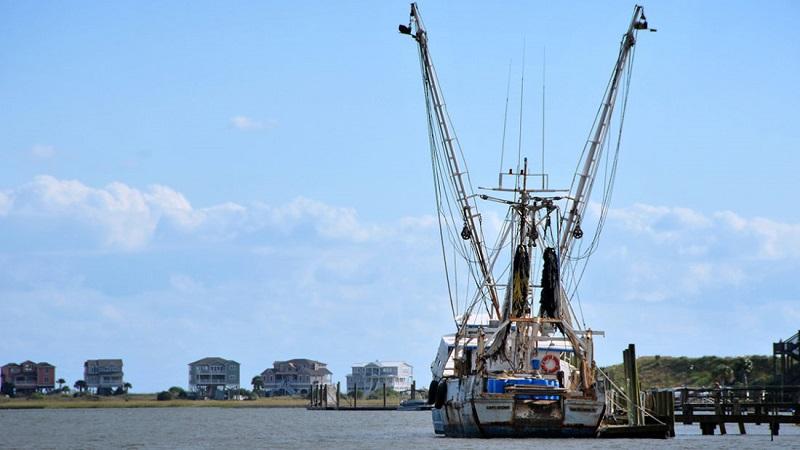
As climate change accelerates, the state’s fishing industry faces mounting challenges that threaten its growth and sustainability. Rising ocean temperatures, shifting marine ecosystems, and increasing frequency of extreme weather events are disrupting fish populations and harvesting patterns. Industry experts warn that without urgent action to address these environmental pressures, the economic backbone of coastal communities reliant on fishing may be at serious risk. This article explores the latest data and insights on how climate change is reshaping the future of the state’s vital fishing sector.
Table of Contents
- Impact of Rising Ocean Temperatures on Fish Populations and Industry Stability
- Economic Consequences of Climate-Driven Shifts in Local Fisheries
- Adaptive Strategies for Sustainable Fishing Amid Changing Environmental Conditions
- Policy Recommendations to Support Resilience in the State’s Fishing Sector
- The Way Forward
Impact of Rising Ocean Temperatures on Fish Populations and Industry Stability
Rising ocean temperatures are triggering a significant shift in marine ecosystems, disrupting traditional fish migration and breeding patterns. Species once abundant in cooler waters are increasingly relocating to cooler, deeper habitats, leaving well-established fishing grounds barren. This migration not only threatens local biodiversity but also jeopardizes the economic foundations of coastal communities reliant on consistent fish harvests. Species such as cod and haddock, staples in the regional catch, face declining populations, forcing fishermen to travel farther and spend more resources to maintain their livelihoods.
Industry experts identify several critical challenges stemming from these environmental changes:
- Reduced fish stock yields leading to potential quotas and stricter fishing regulations.
- Increased operational costs as fleets venture into new, uncharted areas.
- Greater market volatility due to unpredictable supply chains and fluctuating catch sizes.
- Heightened pressure on marine conservation efforts and the need for adaptive management strategies.
These factors collectively threaten the stability and growth prospects of the state’s fishing sector, calling for urgent innovation and policy support to safeguard the industry’s future.
Economic Consequences of Climate-Driven Shifts in Local Fisheries
Shifting fish populations driven by rising ocean temperatures are imposing serious financial strains on local fishing communities. With traditional catch species migrating to cooler waters, fishermen are forced to travel further offshore, increasing operational costs and reducing daily yields. This trend threatens to disrupt established supply chains, leading to fluctuations in market prices and reduced profitability. Small-scale operators, in particular, face heightened vulnerability as their limited resources restrict adaptation capabilities.
The repercussions ripple beyond the docks, impacting regional economies dependent on fishing revenues. Key effects include:
- Job losses across ancillary industries such as processing, transportation, and retail
- Declining tax revenues, reducing funding for public services and coastal infrastructure
- Increased economic inequality within coastal communities as profits concentrate among larger commercial entities
Adaptive Strategies for Sustainable Fishing Amid Changing Environmental Conditions
Facing the stark realities of shifting ocean temperatures and unpredictable weather cycles, fisheries are pioneering adaptive management techniques aimed at sustaining fish populations and securing the livelihoods of coastal communities. These approaches include dynamic quota systems that adjust catch limits in real-time based on current stock assessments, as well as the integration of advanced satellite monitoring to track migratory patterns and environmental changes. By embracing such technology-driven strategies, fisheries can mitigate the impact of climate-induced habitat alterations while maintaining economic viability.
In addition to technological adaptation, there is a growing emphasis on community-led conservation efforts that blend traditional knowledge with scientific research. Key initiatives involve:
- Establishment of seasonal no-catch zones during critical breeding periods to allow stock replenishment.
- Promotion of diversified aquaculture practices designed to reduce pressure on wild populations.
- Collaborative stakeholder workshops fostering transparency and inclusive decision-making.
These adaptive strategies not only enhance resilience against environmental volatility but also reinforce the cultural and economic fabric of fishing communities, signaling a pathway forward amid climatic uncertainty.
Policy Recommendations to Support Resilience in the State’s Fishing Sector
Enhancing the resilience of the state’s fishing sector requires immediate and strategic interventions. Policymakers must prioritize investments in climate-adaptive infrastructure, including modernized harbors and ice storage facilities designed to withstand extreme weather events. Equally important is the integration of real-time environmental monitoring systems that can provide fishermen with critical data on shifting fish populations and water temperatures, allowing for informed, flexible fishing practices. Strengthening the sector also involves supporting diversification of livelihoods to reduce overreliance on vulnerable species, thus mitigating economic shocks linked to climate-induced ecosystem changes.
Additionally, regulatory frameworks should be revisited to promote sustainable fishing quotas reflective of evolving marine biodiversity. Incentivizing community-based management approaches can empower local fishermen, fostering stewardship that aligns with conservation goals. Key policy actions include:
- Subsidies for eco-friendly fishing gear that reduces bycatch and habitat damage
- Capacity-building programs focused on climate resilience and alternative income streams
- Enhanced collaboration between government agencies, scientists, and fishing communities
- Access to affordable financing for small-scale fishery operators to invest in adaptive technologies
The Way Forward
As climate change continues to alter marine ecosystems and disrupt fish populations, the future of the state’s fishing industry hangs in the balance. Stakeholders from fishermen to policymakers face mounting pressure to adapt and implement sustainable practices that can withstand environmental shifts. Without decisive action, the growth and economic stability of this vital sector remain at serious risk, underscoring the urgent need for comprehensive strategies to address the evolving challenges posed by a warming planet.