
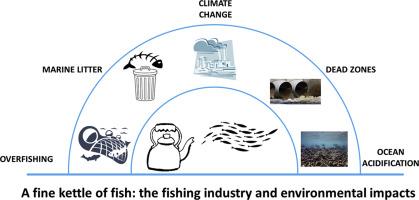
The state’s fishing industry is facing unprecedented challenges as climate change continues to alter marine ecosystems and disrupt fish populations. Rising ocean temperatures, shifting species distributions, and increasing extreme weather events are forcing fishermen and businesses to adapt rapidly to a transforming habitat. Recent global climate reports highlight record-breaking temperature increases and accelerated ocean heating, underscoring the urgency of addressing the impacts on coastal economies and communities dependent on fishing. As the warming trend shows no signs of abating,stakeholders in the fishing industry must navigate a new reality shaped by the planet’s changing climate[[1]](https://wmo.int/news/media-center/global-climate-predictions-show-temperatures-expected-remain-or-near-record-levels-coming-5-years)[[2]](https://wmo.int/publication-series/state-of-climate-2024-update-cop29).
Table of Contents
- Changing Ocean Temperatures Disrupt Fish Migration Patterns
- Impact on Local Fishermen and Coastal Communities
- Adaptation Strategies for Sustainable Fishing Practices
- Policy Recommendations to Support Industry Resilience and Conservation
- To Conclude
Changing Ocean Temperatures Disrupt Fish Migration Patterns
Rising ocean temperatures are forcing many fish species to alter their traditional migration routes, creating unprecedented challenges for fishermen and coastal communities.Warmer waters push species toward cooler, frequently enough deeper habitats, disrupting established fishing grounds and seasonal patterns that the industry depends on. This shift not only affects the availability of key commercial species but also impacts the delicate balance of marine ecosystems that support them.
Industry experts warn that these disruptions could lead to:
- Reduced catch yields in historically productive areas
- Increased competition among fisheries adapting to new species locations
- Economic instability for communities reliant on predictable fish migrations
As fish continue to respond to changing temperatures, long-term monitoring and adaptive management strategies will be critical for sustaining the fishing sector amid a rapidly changing ocean environment.
Impact on Local Fishermen and Coastal Communities
The rising temperatures and shifting ocean patterns are forcing local fishermen to adapt to an unpredictable and often unfriendly environment. Species migration away from traditional fishing zones has led to dwindling catches, jeopardizing the livelihoods of families who have depended on these waters for generations. Coastal communities face not only economic hardship but increased competition for scarce resources, creating tensions and stress within these tightly knit societies.
Key challenges confronting these communities include:
- Reduced fish stocks and altered species diversity
- Increased frequency of extreme weather events disrupting fishing activities
- Rising sea levels threatening infrastructure and homes along the coast
- Diminished access to traditional fishing grounds due to environmental regulations and habitat loss
Efforts to mitigate these impacts are underway, but for now, many fishermen are navigating a transformed coastline where resilience and innovation are essential for survival.
Adaptation Strategies for Sustainable Fishing Practices
As shifting ocean temperatures and disrupted migratory patterns challenge traditional fishing grounds, communities are embracing innovative methods to safeguard their livelihoods and marine ecosystems. Key strategies gaining traction include the implementation of adaptive fishing quotas that respond dynamically to real-time stock assessments, allowing fish populations the space to replenish sustainably. Additionally, stakeholders are increasingly adopting selective fishing gear technologies designed to minimize bycatch and habitat damage, promoting a balance between economic viability and environmental stewardship.
Collaboration between scientists, local fishers, and regulatory bodies has become essential in crafting effective responses. Efforts focus on:
- Community-based management programs empowering fishers to monitor and regulate harvests collectively.
- Habitat restoration initiatives such as rebuilding coastal wetlands and seagrass beds to support biodiversity.
- Investment in aquaculture innovations that reduce pressure on wild stocks by providing alternative sources of seafood.
Together, these approaches aim to create a resilient fishing sector capable of thriving amid the uncertainties ushered in by climate change, aligning economic interests with long-term ecological well-being.
Policy Recommendations to Support Industry Resilience and Conservation
To fortify the fishing industry against the accelerating impacts of climate change, policymakers must adopt adaptive frameworks that balance economic viability with ecosystem conservation. Prioritizing community-led resource management can empower local stakeholders to implement sustainable harvesting practices, ensuring fish populations recover and thrive. Additionally, advancing climate-resilient infrastructure for fisheries-such as improved cold-storage facilities and eco-friendly vessels-will help reduce operational risks and safeguard livelihoods amid increasing environmental volatility.
Further strategic measures should include:
- Implementing dynamic fishing quotas aligned with real-time environmental data to prevent overexploitation during vulnerable periods.
- Investing in habitat restoration projects to rebuild critical breeding grounds and strengthen biodiversity resilience.
- Enhancing cross-sector collaboration between government agencies, scientists, and industry leaders to innovate climate-smart technologies and policies.
- Providing targeted financial support and training for fishers transitioning to sustainable methods or alternative livelihoods.
To Conclude
As climate change continues to drive unprecedented shifts in weather patterns and ocean conditions, the state’s fishing industry faces an uncertain future. With rising temperatures, altered fish distributions, and increased storm activity, stakeholders must adapt quickly to protect livelihoods and ecosystems alike. Experts warn that without concerted efforts to address these challenges and mitigate climate impacts, the longstanding traditions and economic foundations tied to fishing may be irreversibly altered. The evolving climate reality demands urgent attention and collaboration among industry leaders, policymakers, and scientists to navigate the turbulent waters ahead and secure a sustainable future for the state’s fisheries.
For broader context, recent reports underscore the intensifying impacts of climate change globally and regionally, highlighting record-warm conditions, severe storms, and disrupted ecosystems as key concerns moving forward [[1]](https://wmo.int/publication-series/european-state-of-climate-2024) [[2]](https://wmo.int/publication-series/state-of-global-climate-2024).