
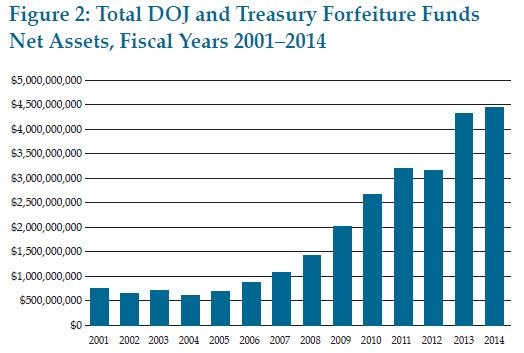
Civil asset forfeiture, a controversial legal practice allowing law enforcement to seize property suspected of being connected to criminal activity-often without requiring a criminal conviction-has sparked intense debate across the United States. As local governments increasingly rely on forfeiture funds to support their budgets, questions arise about its impact on community trust, civil rights, and the equitable management of justice. This article explores the current effects of civil asset forfeiture on local communities, highlighting concerns over potential abuses, the socio-economic consequences for affected individuals, and ongoing efforts to reform the system.
Table of Contents
- Civil Asset Forfeiture and Its Impact on Community Trust in Law Enforcement
- Economic Consequences of Forfeiture on Small Businesses and Families
- Legal Challenges and the Push for Reform in Local Jurisdictions
- Policy Recommendations for Enhancing Transparency and Accountability
- To Wrap It Up
Civil Asset Forfeiture and Its Impact on Community Trust in Law Enforcement
Recent examinations of the practice have revealed a growing divide between law enforcement agencies and the communities they serve. Civil asset forfeiture, intended as a tool to dismantle criminal enterprises by seizing illicitly obtained property, has increasingly been criticized for its potential to disproportionately affect innocent individuals. Many residents feel that this power, when unchecked, risks eroding public confidence by fostering perceptions of unfairness and lack of accountability within the justice system. Key concerns include:
- The absence of due process protections during seizure procedures
- Disproportionate targeting of marginalized communities
- The financial incentives that may encourage overuse of forfeiture powers
Such dynamics contribute to a wider social rift,where trust in law enforcement diminishes and cooperation between police and community members weakens. Experts warn that without obvious policies and stronger safeguards, the cycle of suspicion may intensify, undermining crime prevention efforts and communal harmony. Advocates argue for reform measures, including clearer standards for property seizure, timely restitution processes, and increased public oversight, to restore balance and reinforce the legitimacy of law enforcement actions in the eyes of the public.
Economic Consequences of Forfeiture on Small Businesses and Families
Forfeiture actions have placed notable financial strain on small businesses, many of which operate on thin margins and rely heavily on cash flow to sustain daily operations. When assets such as funds,equipment,or inventory are seized,these enterprises often face immediate liquidity crises,leading to layoffs,reduced services,or even permanent closure. Families tied to these businesses are equally impacted, losing vital sources of income and stability. The ripple effect extends beyond just the seized individuals, affecting employees, suppliers, and local economies that depend on these small establishments for goods and employment.
- Loss of essential capital: Seizures strip away assets critical for business continuity, delaying or halting growth.
- Reduced household income: Families lose key earnings, contributing to increased financial insecurity and hardship.
- Community economic downturn: Local markets suffer as consumer spending declines and unemployment rises.
These economic consequences reveal a deeper societal cost.Instead of dismantling criminal operations, forfeiture can inadvertently cripple law-abiding families and businesses, often without due process. The overwhelming financial burden exacerbates inequality and undermines the economic vitality of vulnerable communities, calling into question the long-term efficacy and fairness of widespread asset seizures.
Legal Challenges and the Push for Reform in Local Jurisdictions
Recent years have seen mounting legal challenges aimed at the constitutionality and fairness of civil asset forfeiture laws within local jurisdictions. Critics argue that these laws often circumvent due process, allowing authorities to seize property without securing a criminal conviction. Consequently, numerous cases have escalated to state courts, prompting judges to scrutinize the balance between law enforcement interests and individual rights. Efforts to raise the burden of proof required for forfeiture and increase transparency about the use and distribution of seized assets have also gained traction as vital components of ongoing judicial review.
In response to growing public and legal pressure, several local governments are spearheading reform initiatives intended to curb potential abuses and restore community trust. These reforms commonly include:
- Heightened standards for evidence before assets can be seized.
- Mandated reporting of asset forfeiture proceeds to promote accountability.
- Redirecting funds from forfeiture away from law enforcement budgets to neutral state funds.
- Expanded legal aid for individuals contesting forfeiture actions.
Such measures signal a shift towards greater oversight and fairness, reflecting a broader recognition of civil asset forfeiture’s profound impact on local communities.
Policy Recommendations for Enhancing Transparency and Accountability
To rebuild public trust and ensure civil asset forfeiture serves justice rather than profit, lawmakers must mandate full financial disclosure of all forfeiture proceeds. This should include detailed reporting on amounts seized, allocation of funds, and use at the local level. Implementing autonomous oversight commissions with the power to audit and review forfeiture cases can deter abuses and hold agencies accountable.Additionally,reforms should require a higher standard of proof before assets are seized,protecting citizens from premature or unjust confiscations.
Policy frameworks must prioritize community voices by incorporating public input and transparent complaint mechanisms. This ensures residents affected by forfeiture practices can actively participate in shaping reforms. Key recommendations include:
- Standardized national databases tracking asset forfeiture activities.
- Clear separation between law enforcement budgets and forfeiture revenues.
- Mandatory legal representation for property owners facing forfeiture cases.
Such measures will help transform civil asset forfeiture from a tool of financial gain into one of genuine law enforcement and community protection.
To Wrap It Up
As local communities continue to grapple with the consequences of civil asset forfeiture, it remains clear that the practice profoundly shapes everyday lives-both in strengthening law enforcement efforts and raising questions about justice and equity. Ongoing debates and legal challenges highlight the urgent need for transparency and reform to ensure that the rights of individuals are protected without compromising public safety.As this issue evolves, staying informed and engaged will be crucial for communities seeking fairness and accountability in the justice system.