
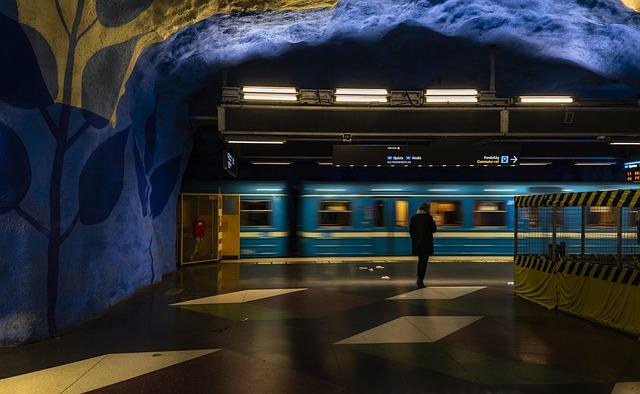
A new bill aimed at enhancing public transit infrastructure and refining zoning regulations around the Massachusetts Bay Transportation Authority (MBTA) network has been introduced. The proposed legislation seeks to improve commuter experience by expanding service accessibility and promoting transit-oriented advancement within MBTA zones. Advocates argue the measure will bolster regional connectivity,reduce traffic congestion,and encourage lasting urban growth,marking a notable step forward in the evolution of the MBTA system. Stakeholders and officials are now reviewing the bill’s potential impact on future transit operations and community planning.
Table of Contents
- Bill Aims to Expand Public Transit Access Across Massachusetts
- Proposed Zoning Reforms Target Housing Near MBTA Stations
- Legislators Highlight Environmental and Economic Benefits of Bill
- Community Leaders Advocate for Inclusive Transit-Oriented Development
- Final Thoughts
Bill Aims to Expand Public Transit Access Across Massachusetts
Lawmakers have introduced legislation that targets significant improvements in the accessibility and efficiency of public transit throughout Massachusetts. The bill includes comprehensive measures to expand service coverage, particularly in underserved suburban and rural areas, aiming to reduce transit deserts that limit economic and social mobility. Among the key provisions are funding allocations for enhanced bus routes, the addition of new commuter rail stops, and increased frequency of existing services to ease congestion during peak hours.
In tandem, the bill addresses zoning reforms near Massachusetts Bay Transportation Authority (MBTA) stations to encourage transit-oriented development. This move is expected to introduce:
- Mixed-use developments encouraging residential and commercial growth close to transit hubs.
- Reduced parking minimums to promote walkability and minimize reliance on cars.
- Incentives for affordable housing construction within MBTA service areas.
Advocates argue that these changes could stimulate economic growth, lower greenhouse gas emissions, and improve quality of life by fostering sustainable communities tied closely to public transportation networks.
Proposed Zoning Reforms Target Housing Near MBTA Stations
The newly introduced bill aims to reshape zoning policies to increase housing opportunities within close proximity to MBTA stations, a move designed to support sustainable growth and transit-oriented development. By revising current land-use regulations, the bill proposes to allow higher density residential and mixed-use buildings, reducing parking minimums and encouraging affordable housing options near transit hubs. This strategic shift is expected to facilitate easier access to public transportation, alleviate traffic congestion, and promote environmentally friendly urban living.
Key elements of the reform include:
- Relaxed zoning restrictions to permit multi-family housing and mixed-use developments.
- Incentives for affordable housing to ensure inclusivity near MBTA corridors.
- Reduced parking requirements to prioritize transit use and pedestrian accessibility.
- Streamlined permitting processes aimed at accelerating development timelines.
Advocates argue that these measures will not only bolster transit ridership but also address the region’s housing shortage by integrating living spaces into transit-rich neighborhoods, ultimately supporting economic growth and reducing carbon footprints.
Legislators Highlight Environmental and Economic Benefits of Bill
Legislators emphasize the bill’s potential to significantly reduce carbon emissions by promoting expanded use of public transit. By enhancing MBTA zoning and streamlining transit-oriented development, the legislation aims to encourage residents and businesses to shift away from car dependency, thereby lowering traffic congestion and pollution.Environmental advocates laud the move as a critical step toward sustainable urban growth and resilience against climate change.
Economic benefits are equally prominent in legislative discussions, with proponents highlighting the potential for job creation both during infrastructure upgrades and through long-term transit service expansions.Improved zoning is expected to spur transit-adjacent development,fostering vibrant commercial hubs and increasing property values. Supporters note that more reliable and accessible transit options will attract businesses,boost local economies,and provide equitable access to employment for underserved communities.
Community Leaders Advocate for Inclusive Transit-Oriented Development
Local community leaders have voiced strong support for the proposed bill, emphasizing the necessity of an inclusive approach to transit-oriented development near MBTA stations. They argue that development efforts must go beyond infrastructure upgrades to actively incorporate affordable housing, accessible amenities, and equitable economic opportunities. Advocates highlight that a truly inclusive plan will address historic disparities by ensuring that all residents, irrespective of income or background, benefit from improved transit accessibility and neighborhood revitalization.
Key priorities identified by these leaders include:
- Comprehensive zoning reforms that promote mixed-income housing and prevent displacement
- Enhanced public transit connections to underserved areas, fostering greater regional mobility
- Community engagement initiatives that ensure resident voices shape development outcomes
- Investment in pedestrian and cyclist infrastructure for safer, more sustainable transit options
The coalition stresses that incorporating these elements will create not only functional transit hubs but vibrant, inclusive neighborhoods where diversity and chance thrive.
Final Thoughts
As the proposed bill advances through legislative channels,its impact on public transit and MBTA zoning could mark a significant step toward more efficient and accessible transportation in the region.Stakeholders across the community will be watching closely to see how these changes unfold, possibly shaping the future landscape of Massachusetts Bay’s transit system for years to come. Further updates will follow as the bill progresses.