
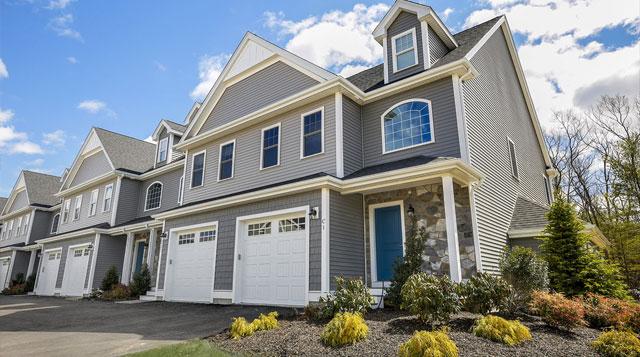
Massachusetts officials are considering a significant expansion of affordable housing programs in response to growing demand and ongoing housing affordability challenges across the state. As the cost of living continues to rise, policymakers are exploring new measures aimed at increasing access to affordable homes for low- and moderate-income residents. The proposed initiatives come amid heightened public interest and advocacy efforts focused on addressing the state’s housing crisis.
Table of Contents
- Massachusetts Officials Consider New Funding Models for Affordable Housing
- Impact on Local Communities and Potential Economic Benefits
- Challenges in Balancing Development and Preservation of Neighborhood Character
- Policy Recommendations for Sustainable and Inclusive Housing Expansion
- to sum up
Massachusetts Officials Consider New Funding Models for Affordable Housing
Massachusetts officials are actively exploring innovative funding strategies to address the state’s pressing affordable housing shortage. In response to rising demand, policymakers are considering models that blend public and private capital to increase the pool of resources available for housing development. These new approaches seek to streamline access to funding while encouraging partnerships that leverage federal programs,state grants,and private investments.
Key proposals under discussion include:
- Expansion of the Centralized Waiting List system to facilitate efficient voucher distribution across multiple housing authorities, reducing request redundancies and wait times.
- Enhanced support for nonprofit housing developers through dedicated financial incentives and technical assistance.
- Promotion of housing finance tools like those offered by the Massachusetts Housing Partnership’s Housing Navigator, which improves transparency and accessibility in the rental market.
Officials emphasize that combining these elements could create a more resilient and responsive affordable housing ecosystem, ensuring long-term sustainability for the state’s most vulnerable populations.
Impact on Local Communities and Potential Economic Benefits
Expanding affordable housing programs in Massachusetts promises substantial benefits for local communities by fostering greater economic diversity and stability. As access to affordable living spaces increases, residents often experience improved quality of life, with enhanced opportunities for education and employment. The creation and preservation of affordable housing stock can also reduce displacement pressures in rapidly growing urban areas, helping to maintain established neighborhood networks and social cohesion.
Economically,the ripple effects of investment in affordable housing are significant. Construction and renovation projects generate jobs and stimulate local businesses, while affordable housing residents typically spend more of their income within their communities, supporting retail and service sectors. Key benefits include:
- Job creation in construction, property management, and related fields.
- Higher consumer spending by households with decreased rent burdens.
- Improved workforce stability, attracting employers seeking affordable living options for employees.
- Reduced public costs related to homelessness and emergency services.
Challenges in Balancing Development and Preservation of Neighborhood Character
Expanding affordable housing initiatives in Massachusetts presents a complex dilemma as officials strive to increase housing availability without compromising the unique character of established neighborhoods. Residents and local advocates often express concern over potential changes to community aesthetics and historical landmarks. Balancing modern development with preservation requires navigating zoning laws, architectural guidelines, and community sentiments, which can sometimes slow the approval process for new projects. Additionally, there is an ongoing tension between the urgent need for affordable units and the desire to maintain green spaces and low-density residential areas.
Key challenges include:
- Resistance to higher-density developments: Many neighborhoods fear that increased density could strain infrastructure and alter the cultural fabric.
- Preservation of architectural styles: Integrating affordable units while respecting traditional building designs remains a sensitive topic.
- Community engagement complexities: Ensuring that voices from all socioeconomic backgrounds are heard in planning decisions is vital but difficult to achieve.
- Long-term sustainability concerns: Balancing growth with environmental impact and maintaining quality of life continues to challenge policymakers.
Policy Recommendations for Sustainable and Inclusive Housing Expansion
To meet the growing demand for affordable homes, policymakers in Massachusetts are urged to reform and expand existing federal and state programs with a focus on sustainability and inclusivity. This includes targeting investments to promote housing that not only serves low-income families but also aligns with environmental goals such as energy efficiency and reduced carbon footprints. Key recommendations emphasize the integration of transit-accessible locations to ensure residents have reliable transportation options,thereby enhancing economic opportunities and reducing urban sprawl. Furthermore, incentives for developers to prioritize green building practices and resilience in the face of climate change are considered essential for long-term viability.
Strategic actions under consideration include:
- Expanding funding streams specifically earmarked for sustainable affordable housing projects.
- Encouraging mixed-use developments that blend residential, commercial, and recreational spaces.
- Implementing zoning reforms to facilitate the construction of diverse housing types in high-demand areas.
- Incentivizing partnerships between public agencies, private investors, and non-profits to leverage resources effectively.
These measures aim to provide more equitable access to quality housing while fostering community cohesion and environmental stewardship. By aligning state housing policies with broader social and ecological frameworks, Massachusetts can set a precedent for scalable, inclusive urban development models.
to sum up
As Massachusetts continues to grapple with the challenges of housing affordability,the potential expansion of affordable housing programs marks a critical step toward addressing the needs of its residents. Stakeholders from across the state eagerly await forthcoming decisions that could reshape the housing landscape and provide greater stability for countless families. With ongoing discussions and legislative efforts, the Commonwealth remains focused on crafting solutions that balance growth with accessibility, ensuring that affordable housing remains a top priority in the state’s policy agenda. For more information on state programs and updates, residents can stay informed through official Massachusetts government resources [[2]](https://www.mass.gov/massachusetts-state-organizations).