
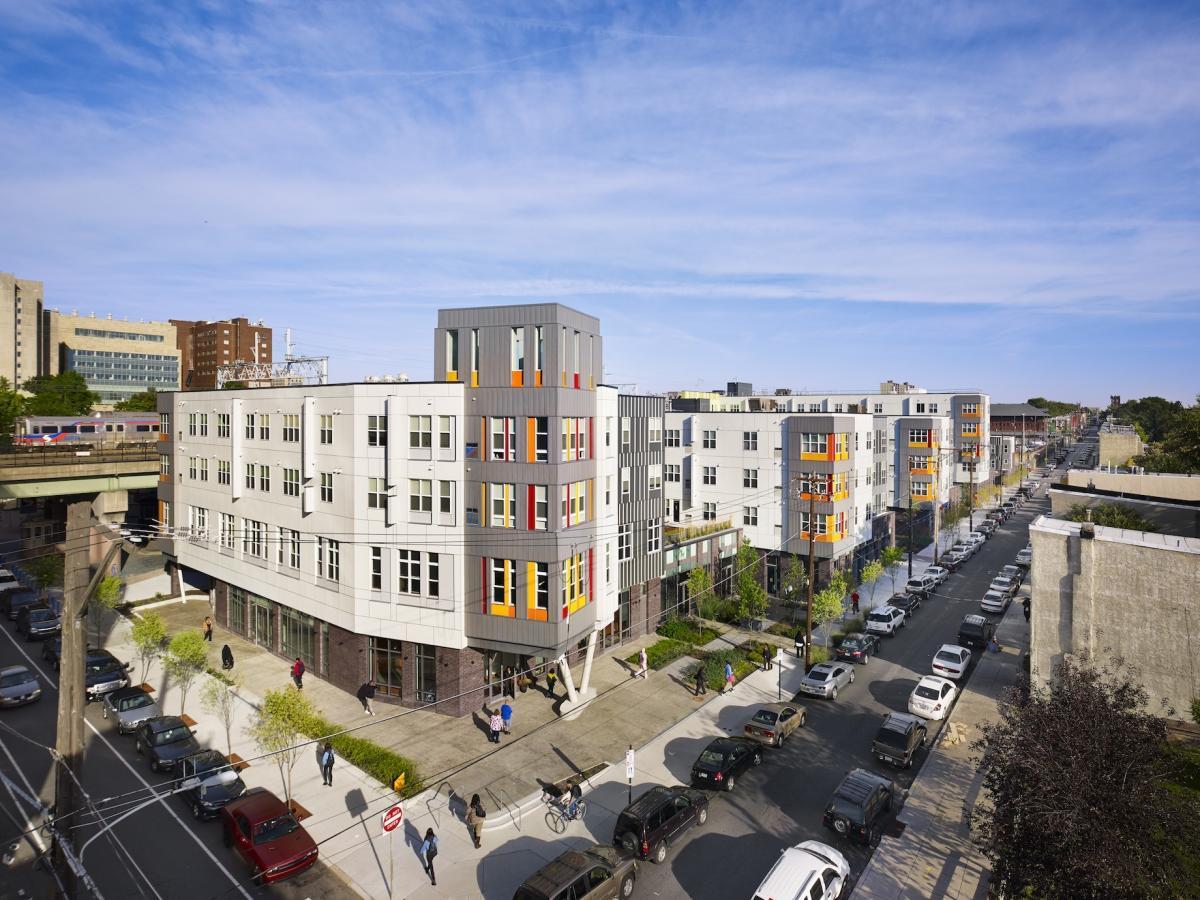
Cities across the globe are ramping up initiatives to expand transit-oriented development (TOD), aiming to create more enduring, accessible, and livable urban environments.By focusing on integrating residential, commercial, and recreational spaces with efficient public transit systems, municipalities are seeking to reduce traffic congestion, lower carbon emissions, and foster economic growth. This accelerated push reflects growing recognition of the critical role TOD plays in shaping the future of urban planning and addressing the challenges of rapid population growth and climate change.
Table of Contents
- Cities Prioritize Infrastructure Upgrades to Enhance Transit Accessibility
- Innovative Zoning Policies Drive Mixed-Use Developments Near Transit Hubs
- Public-Private Partnerships Key to Funding Sustainable Urban Growth
- Community Engagement Essential for Equitable Transit-Oriented Planning
- Wrapping Up
Cities Prioritize Infrastructure Upgrades to Enhance Transit Accessibility
Municipal governments nationwide are channeling significant investments into upgrading transit infrastructure, aiming to create seamless, accessible mobility networks that support growing urban populations. Projects focus on modernizing transit stations and expanding service coverage to neighborhoods previously underserved. Accessibility improvements include the installation of elevators, ramps, and tactile guidance systems to accommodate passengers with disabilities, while also incorporating real-time digital information displays to enhance the rider experience.
- Expanded bus rapid transit lanes to reduce congestion and improve travel times
- Upgraded light rail and subway systems integrating eco-friendly technologies
- Enhanced pedestrian and cycling pathways connecting transit hubs and residential areas
These efforts are complemented by technology-driven initiatives designed to streamline fare payment and trip planning, reinforcing the move toward comprehensive, user-centric transportation ecosystems. City planners emphasize the dual benefits of these upgrades: fostering equitable access to transit options and stimulating economic growth through transit-oriented development that reshapes urban living patterns.
Innovative Zoning Policies Drive Mixed-Use Developments Near Transit Hubs
Municipalities nationwide are reshaping urban landscapes by adopting forward-thinking zoning policies designed to foster seamless integration of residential, commercial, and recreational spaces within walking distance of transit hubs.By relaxing conventional single-use zoning regulations, these policies encourage developers to create vibrant, multi-functional neighborhoods that reduce reliance on cars and enhance accessibility.Key features include:
- Flexible height limits that permit taller buildings near key transit stations
- Incentives for affordable housing within mixed-use developments
- Streamlined permitting processes to accelerate project approvals and reduce costs
The push for transit-oriented projects is not just about density, but also about cultivating dynamic communities where amenities like shops, offices, and green spaces coexist. Cities report improved economic vitality as businesses benefit from higher foot traffic, while residents enjoy convenient access to transit and daily necessities.This holistic approach aims to create sustainable urban ecosystems that prioritize walkability and reduce environmental impacts, setting a benchmark for future growth.
Public-Private Partnerships Key to Funding Sustainable Urban Growth
Collaborative financing models are transforming urban landscapes as public and private sectors unite to scale transit-oriented development. Municipalities are increasingly tapping into the strengths of private investment to bridge funding gaps for sustainable infrastructure projects. These partnerships are not only injecting capital but also introducing advanced management efficiencies and innovative technologies to accelerate project delivery. Such alliances enable cities to leverage diverse funding streams while mitigating risks traditionally borne solely by public coffers.
Key strategies fueling this momentum include:
- Joint infrastructure ventures that integrate transit hubs with residential and commercial spaces, increasing accessibility and economic vitality.
- Shared revenue models incentivizing private developers by linking returns to ridership and property value appreciation.
- Performance-based contracts that align operational efficiency goals between stakeholders and enhance long-term sustainability.
Community Engagement Essential for Equitable Transit-Oriented Planning
Meaningful community participation has emerged as a cornerstone for shaping transit-oriented development (TOD) that genuinely serves diverse urban populations. Cities are increasingly prioritizing inclusive engagement strategies that go beyond traditional public meetings, incorporating workshops, digital platforms, and localized outreach to capture voices frequently enough marginalized in planning processes. This approach ensures that neighborhoods affected by new transit infrastructure are not only heard but actively involved in co-designing solutions that address affordability, accessibility, and cultural relevance.
Key elements driving equitable TOD include:
- Focused outreach to historically underserved communities
- Collaborative planning sessions integrating residents, local businesses, and advocacy groups
- Obvious communication of project goals and potential impacts
- Commitments to mitigate displacement and preserve community identity
By embedding these principles, cities aim to foster transit systems and surrounding developments that reflect the needs and aspirations of all residents, creating vibrant, sustainable neighborhoods where access to transit enhances, rather than disrupts, community fabric.
Wrapping Up
As cities worldwide intensify their efforts to promote transit-oriented development, the focus remains clear: creating sustainable, dynamic communities that prioritize accessibility, efficiency, and quality of life.By centering urban growth around robust public transit and walkable neighborhoods, municipalities are taking significant strides toward a future where shorter trips and reduced reliance on cars are the norms. The ongoing push for well-planned TOD not only reshapes city landscapes but also reflects a broader commitment to environmental sustainability and equitable urban living. As these initiatives gain momentum, the coming years will reveal how effectively transit-oriented development can transform urban life for millions[[1]][[2]][[3]].