
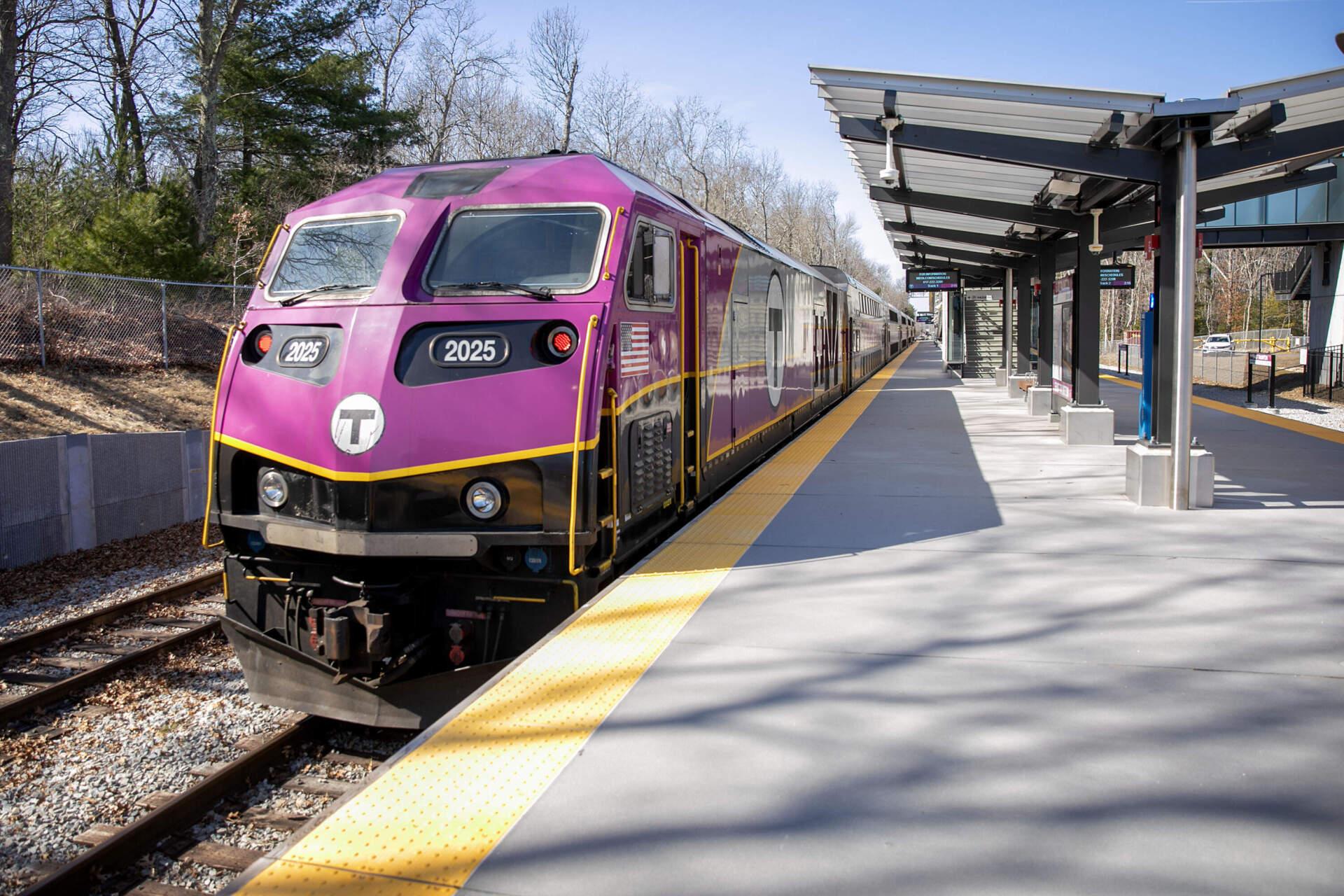
Southeastern Massachusetts is set to see a meaningful enhancement in its public transit infrastructure as plans for a commuter rail expansion move forward. The proposed project aims to improve connectivity for residents, easing daily travel for thousands who rely on commuter routes to access job centers and urban amenities. This expansion is expected to bolster regional mobility, reduce traffic congestion, and provide a more sustainable transportation alternative for communities in the area.
Table of Contents
- Commuter Rail Expansion Aims to Improve Regional Connectivity
- Economic Benefits and Job Growth Anticipated from New Rail Projects
- Community Concerns and Environmental Considerations Addressed
- Recommendations for Maximizing Public Engagement and Sustainable Development
- The Way Forward
Commuter Rail Expansion Aims to Improve Regional Connectivity
The planned extension of the commuter rail network in Southeastern Massachusetts seeks to significantly enhance the region’s transportation infrastructure by offering more frequent and reliable service to underserved communities. This project is expected to reduce travel times and alleviate traffic congestion by encouraging more residents to opt for public transit. The expansion will connect suburban towns more efficiently with urban employment centers, promoting economic growth and wider access to job markets.
Key improvements include:
- New stations and upgraded facilities designed to accommodate increased ridership and improve accessibility.
- Enhanced scheduling to better match commuter demand during peak hours.
- Integration with existing transit options to create seamless connections across the region.
These advancements not only aim to serve daily commuters by shortening their lengthy trips but also strengthen regional connectivity,fostering sustainable growth and improved quality of life for Southeastern Massachusetts residents.
Economic Benefits and Job Growth Anticipated from New Rail Projects
The upcoming commuter rail expansion stands as a significant catalyst for economic revitalization across Southeastern Massachusetts. The project is expected to generate thousands of construction and long-term operational jobs, providing a considerable boost to local employment rates. In addition to direct job creation,enhanced rail connectivity is projected to attract new businesses,stimulate real estate development,and increase tourism throughout the region.
Key economic advantages include:
- Creation of skilled jobs: From construction laborers to rail system engineers and maintenance crews,employment opportunities will diversify.
- Support for local businesses: Increased commuter traffic is anticipated to drive consumer spending in retail, dining, and service sectors near transit hubs.
- Long-term regional growth: Improved transportation infrastructure often correlates with higher property values and expanded investment in community development.
By linking communities more effectively, the rail expansion promises not only to bolster immediate job markets but also to lay a foundation for sustained economic prosperity in Southeastern Massachusetts.
Community Concerns and Environmental Considerations Addressed
Local residents have raised apprehensions regarding noise pollution,traffic congestion,and potential disruptions during the construction phase of the rail expansion. In response, project planners have incorporated extensive community feedback sessions and are implementing sound barrier walls and advanced construction schedules designed to minimize disturbance during peak residential hours. Moreover, safety measures at crossings are being enhanced to protect pedestrians and cyclists alike, reflecting a commitment to preserve neighborhood integrity and daily living standards.
Environmental stewardship remains at the forefront of this initiative, with comprehensive impact studies guiding sustainable design choices. Efforts include:
- Preservation of sensitive wetlands and local wildlife habitats;
- Use of energy-efficient rail technologies to reduce carbon emissions;
- Increased green buffers along the tracks for air quality advancement;
- Promotion of alternative commuter options such as biking and public transit to further lower overall environmental footprint.
Recommendations for Maximizing Public Engagement and Sustainable Development
To ensure the success and community support of the commuter rail expansion, a proactive public engagement strategy is essential. Authorities should facilitate ongoing dialog through town hall meetings, interactive online platforms, and targeted outreach in affected neighborhoods. Incorporating diverse voices-residents, local businesses, environmental groups, and commuters-will foster greater clarity and trust. Educational campaigns highlighting the environmental and economic benefits, such as reduced traffic congestion and increased local job access, can also galvanize public enthusiasm and participation.
Central to sustainable development in this project is prioritizing eco-pleasant infrastructure and transit-oriented growth. Recommendations include:
- Integrating green building practices in station design to minimize carbon footprint.
- Enhancing multi-modal connections such as bike shares and pedestrian pathways to reduce car dependency.
- Partnering with local planners to align development projects around stations that support affordable housing and commercial hubs.
By embedding sustainability in every phase-from construction to operations-while maintaining open communication channels, the expansion can serve as a model for future transit projects across the region.
The Way Forward
The planned expansion of commuter rail services in Southeastern Massachusetts promises to enhance connectivity and ease travel for thousands of daily commuters. As the project moves forward, stakeholders remain focused on delivering improved infrastructure and reliable transportation options that support regional growth and economic development. Local residents and businesses will be watching closely to see how this initiative shapes the future of commuting in the area.