
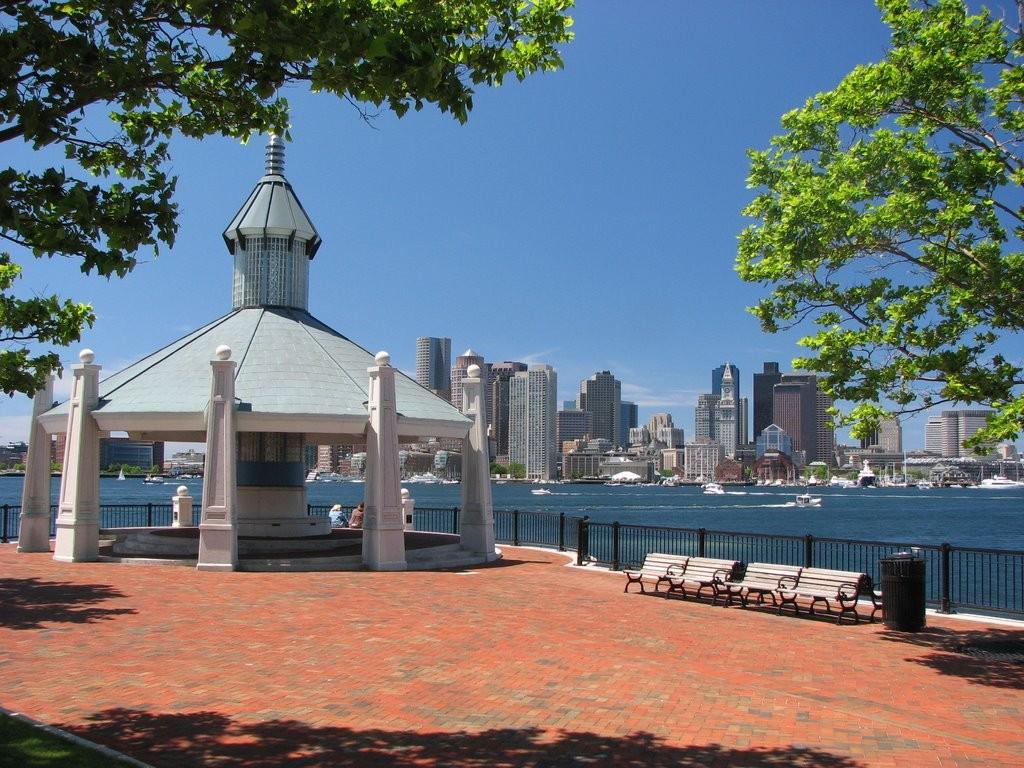
East Boston residents have launched a petition urging city officials to allocate more green space in their neighborhood. Citing concerns over limited parks and recreational areas amid ongoing urban development, the community is calling for enhanced access to natural environments to improve quality of life and environmental sustainability.The petition highlights the growing demand for open spaces where residents can gather, exercise, and connect with nature in the densely populated East Boston area.
Table of Contents
- East Boston Community Demands Expanded Parks to Combat Urban Density
- Health and Environmental Benefits Fuel Push for More Green Areas
- City Officials Respond to Petition with Plans for New Recreational Spaces
- Residents Propose Targeted Improvements to Underutilized Public Land
- Final Thoughts
East Boston Community Demands Expanded Parks to Combat Urban Density
Residents of East Boston have united in a growing movement to address the critical shortage of green spaces amid mounting urban density. Community members emphasize the urgent need for expanded parks and recreational areas as a means to improve air quality,mental health,and overall quality of life. The petition, which has gathered hundreds of signatures, calls on city officials to prioritize the development and maintenance of more accessible public parks, walking paths, and community gardens.
Key demands highlighted by the community include:
- Increased funding for park expansions and renovations to transform underutilized lots into vibrant green spaces.
- Equitable distribution of parks across neighborhoods to ensure all residents benefit from outdoor access, especially in high-density areas.
- Improved safety measures and amenities such as lighting, benches, and playground equipment to foster community engagement and wellbeing.
Health and Environmental Benefits Fuel Push for More Green Areas
Expanding green spaces in East Boston is not only a community aspiration but a crucial step toward improving public health and environmental quality. Studies consistently highlight how access to parks and natural areas reduces stress, lowers blood pressure, and promotes physical activities such as walking and jogging. The petitioners emphasize that increasing green areas would provide children and seniors with safe outdoor spaces, boosting overall wellness and community cohesion.
Beyond personal health, ecological benefits drive the campaign as well. Urban greenery plays a critically important role in mitigating pollution and improving air quality by filtering harmful particulates and absorbing carbon dioxide. Additionally, green spaces help manage stormwater runoff, reducing flood risks during heavy rains – a growing concern in city planning. Advocates argue that creating more vibrant, green neighborhoods can foster environmental resilience while nurturing habitats for local wildlife.
- Improved air quality and pollution reduction
- Enhanced mental and physical health outcomes
- Flood control and stormwater absorption
- Increased biodiversity and ecosystem support
- Community engagement and safer recreational spaces
City Officials Respond to Petition with Plans for New Recreational Spaces
City officials have announced a proactive response to the growing community call for enhanced recreational amenities. Following the submission of a petition by East Boston residents advocating for increased green space,municipal planners unveiled a multi-phase strategy to develop new parks and revitalized open areas. These initiatives focus on maximizing underutilized land parcels while ensuring accessibility and sustainability. The proposed projects include:
- Creation of a central community park featuring walking trails and picnic areas
- Installation of modern playground equipment designed to serve children of all ages
- Development of a dedicated space for outdoor fitness and group activities
Officials emphasized ongoing collaboration with local neighborhood groups to tailor designs to community needs. Public forums and virtual town halls are scheduled over the coming months to gather feedback and refine the plans. Beyond expanding green space, the city aims to foster social cohesion and promote healthy lifestyles through these enhancements. Funding allocations have been earmarked in this year’s budget, signaling a firm commitment to translating residents’ voices into tangible improvements in East Boston’s urban landscape.
Residents Propose Targeted Improvements to Underutilized Public Land
Community members have identified several parcels of public land that remain largely unused or neglected, advocating for strategic enhancements to transform these spaces into vibrant green areas. Their proposals emphasize creating safe, accessible parks that can serve as neighborhood hubs and promote environmental sustainability. Residents suggest features such as walking trails, community gardens, and seating areas designed to foster social interaction and outdoor activity.
Among the key points residents have highlighted are:
- Installation of native plants to support local wildlife and biodiversity
- Upgraded lighting and signage to improve safety and wayfinding
- Multipurpose open spaces adaptable for events and recreation
These targeted improvements aim to reinvigorate underused land, addressing both ecological concerns and the community’s demand for more inclusive urban nature areas.
Final Thoughts
As East Boston residents continue to rally for more green space, city officials face mounting pressure to address the community’s concerns. The petition marks a pivotal moment in local advocacy, highlighting the growing demand for environmental improvements and recreational areas in the neighborhood. How the city responds in the coming weeks will be closely watched by residents and activists alike, eager to see concrete steps toward a greener, more livable East Boston.