
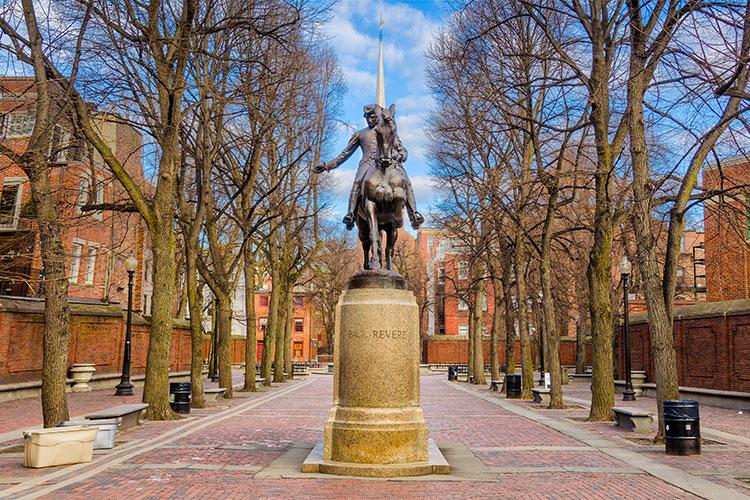
The Freedom Trail stands as a living testament to America’s colonial heritage, weaving together a network of historic sites that chronicle the nation’s early fight for liberty.As a cornerstone in preserving colonial history, the trail not only safeguards iconic landmarks but also educates millions of visitors annually about the foundational struggles that shaped modern freedoms. Through its carefully maintained pathways and vivid storytelling, the Freedom Trail plays an indispensable role in keeping the spirit and realities of the colonial era alive for present and future generations.
Table of Contents
- Freedom Trail as a Living Museum of Colonial America
- How the Freedom Trail Educates the Public on Revolutionary History
- Challenges Facing the Preservation of Freedom Trail Landmarks
- Strategies to Enhance Visitor Engagement and Historical Awareness on the Freedom Trail
- Closing Remarks
Freedom Trail as a Living Museum of Colonial America
The Freedom Trail serves as an exceptional living museum, vividly bringing to life the complex era of Colonial America. Spanning over 2.5 miles through Boston, this historic pathway connects 16 important sites that collectively narrate the birth of American liberty. Each location on the trail preserves the architectural integrity and rich stories of the 17th and 18th centuries, offering visitors an immersive experience into the struggles and triumphs of early settlers and revolutionaries.From meeting houses and burial grounds to historic homes and government buildings, the trail encapsulates the essence of colonial society and its foundational role in shaping modern democratic ideals.
- Authentic Colonial Structures: Meticulously maintained buildings provide a tangible link to the past.
- Interactive Historical Narratives: Guided tours and interpretive signage offer in-depth storytelling.
- Educational Outreach: Programs that engage schools and communities in preserving and understanding colonial heritage.
By maintaining these landmarks, the Freedom Trail not only protects physical artifacts but also champions the spirit of independence that defines American identity.Each visit is a journey through time, encouraging reflection on the revolutionary ideals of freedom and civic obligation. This living museum approach transforms history from static exhibits into dynamic encounters, enriching public consciousness and safeguarding colonial legacies for future generations.
How the Freedom Trail Educates the Public on Revolutionary History
Through a carefully curated path of historic landmarks, the Freedom Trail serves as a living classroom, bringing to life the complex narrative of America’s fight for independence. Each stop along the trail-from old meetinghouses to former colonial graveyards-offers visitors immersive insights into the revolutionary era. Interactive exhibits and guided tours provide context, helping the public connect emotionally and intellectually with the struggles, ideals, and figures that shaped the nation’s birth. This approach transforms historical facts into compelling stories that resonate across generations.
Educational programs along the trail emphasize key revolutionary themes such as liberty,resistance,and civic responsibility. Visitors frequently enough engage with:
- Reenactments that vividly depict pivotal moments in colonial defiance.
- Workshops exploring foundational documents, including declarations of rights and early forms of governance.
- Multimedia presentations showcasing diverse perspectives of the revolution-from prominent patriots to everyday citizens.
By creating an accessible and dynamic learning environment, the Freedom Trail ensures that the public not only remembers but understands the revolutionary spirit that continues to influence American identity.
Challenges Facing the Preservation of Freedom Trail Landmarks
The preservation of Freedom Trail landmarks faces mounting obstacles,primarily stemming from urban progress pressures and environmental wear. Rapid expansion in Boston’s infrastructure threatens to encroach upon or overshadow these historic sites, complicating efforts to maintain their original context and integrity. Additionally, the aging materials and exposure to harsh weather conditions accelerate deterioration, demanding costly and specialized restoration that often struggles to keep pace with the damage. Preservationists must carefully navigate regulatory frameworks and funding limitations while striving to uphold the authentic colonial narrative these landmarks embody.
Critical challenges include:
- Balancing modernization with historic conservation amid booming real estate projects.
- Combating natural decay exacerbated by climate change and pollution.
- Securing sustainable financial support for continuous maintenance and educational programming.
- Ensuring accessibility without compromising the historical fabric of the sites.
Addressing these multifaceted issues requires collaborative strategies involving government agencies, historians, and community stakeholders to protect the Freedom Trail not only as a collection of sites but as a living testament to America’s colonial heritage.
Strategies to Enhance Visitor Engagement and Historical Awareness on the Freedom Trail
Innovative approaches to visitor engagement are essential for transforming the Freedom Trail from a simple walking path into a dynamic educational experience. Incorporating technology such as augmented reality apps allows visitors to visualize colonial-era scenes and significant historical events in real time, creating immersive and memorable moments. Complementing this,interactive kiosks positioned at key sites provide accessible multimedia content,including oral histories,archival photographs,and detailed narratives,encouraging deeper connection and understanding.Offering guided tours led by knowledgeable interpreters, who can weave compelling stories and answer questions, further enriches the visitor experience, making history tangible and relatable.
To foster historical awareness, the trail’s educational programs must actively involve the community and schools. Collaborative workshops, youth-focused storytelling sessions, and heritage events can build lasting gratitude for the colonial past. Additionally, clear and engaging signage featuring QR codes enables visitors to access supplementary digital content, catering to diverse learning preferences. Key strategies include:
- Augmented reality and interactive digital content integration
- Expert-led guided tours with compelling storytelling
- Community-based educational outreach and events
- Accessible signage with multimedia QR codes
These initiatives not only enhance engagement but also empower visitors to grasp the profound importance of the Freedom Trail in shaping American identity.
Closing Remarks
As the Freedom Trail continues to draw visitors from around the world, its role in preserving colonial history remains as crucial as ever. By offering a tangible connection to the past, the trail not only educates the public but also ensures that the stories of early America’s fight for freedom and identity are never forgotten. This historic path stands as a living testament to the enduring significance of liberty and the importance of safeguarding our heritage for future generations.