
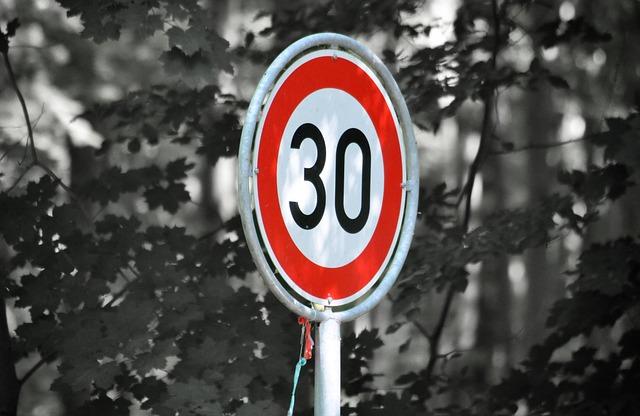
The Massachusetts Bay Transportation Authority (MBTA) is once again under scrutiny as safety concerns and newly implemented slow zones continue to disrupt service across the Boston metropolitan area’s transit system. Riders have reported increased delays and extended commute times, raising questions about the MBTA’s ability to maintain efficient operations while addressing critical safety issues. As the backbone of public transportation in Greater Boston, the MBTA faces growing pressure to balance service reliability with the imperative of passenger and worker safety. This latest challenge comes amid ongoing efforts to upgrade infrastructure and manage rising demand on the system.
Table of Contents
- Safety Risks Prompt Increased Slow Zones on MBTA Lines
- Passenger Complaints Highlight Delays and Service Disruptions
- MBTA Officials Outline Plans to Enhance Track Safety and Reduce Slowdowns
- Expert Recommendations Call for Infrastructure Investments and Real-Time Monitoring
- In Summary
Safety Risks Prompt Increased Slow Zones on MBTA Lines
In response to escalating safety concerns, the Massachusetts Bay Transportation Authority (MBTA) has instituted a series of new slow zones across multiple commuter rail and rapid transit lines. These reduced speed areas aim to address infrastructure vulnerabilities identified during recent inspections, including track wear and signaling equipment malfunctions. While intended to enhance passenger safety and prevent accidents, the implementation of slow zones has led to noticeable delays and altered schedules, affecting daily commuters throughout eastern Massachusetts and parts of Rhode Island.
Key factors driving the slow zone expansions include:
- Deterioration of aging tracks and ties that no longer meet safety thresholds
- Technological upgrades pending in critical signaling systems
- Enhanced regulatory scrutiny following recent safety audits
The MBTA emphasizes that these precautionary measures, while inconvenient, are vital to safeguarding riders and staff. Officials have pledged ongoing investments to accelerate repairs and upgrade infrastructure, with the goal of restoring normal service speeds as quickly as possible.
Passenger Complaints Highlight Delays and Service Disruptions
Commuters across the MBTA network have voiced growing frustration over prolonged delays and frequent service interruptions, attributing much of the disruption to recent slow zone implementations and ongoing safety inspections. Daily riders report missed connections and congested platforms during peak hours, highlighting the strain on both subway and commuter rail services. Many express concerns that the current measures, while necessary for passenger safety, lack clear communication and real-time updates, leaving them uncertain and inconvenienced.
Key passenger grievances include:
- Inconsistent train arrival times leading to unpredictability in commute planning
- Overcrowded vehicles due to reduced train frequency in slow zones
- Insufficient customer service response during disruptions
- Delays caused by extended track work and safety protocols
These ongoing issues underscore the challenge MBTA faces in balancing urgent safety upgrades with maintaining efficient service. The authority acknowledges the impact but stresses that safety remains paramount as it undertakes comprehensive infrastructure assessments and repairs.
MBTA Officials Outline Plans to Enhance Track Safety and Reduce Slowdowns
MBTA officials have revealed a comprehensive strategy aimed at bolstering track safety across the Greater Boston transit network. The plan includes a series of targeted infrastructure upgrades, enhanced inspection protocols, and the deployment of advanced monitoring technologies designed to detect and address potential hazards before they escalate. By prioritizing these safety measures, the MBTA seeks to minimize the need for extended slow zones that have frustrated commuters and contributed to service delays.
Key components of the initiative include:
- Accelerated replacement of worn rails and ties to improve track integrity.
- Implementation of state-of-the-art track condition sensors for real-time monitoring.
- Enhanced training for maintenance crews focused on proactive safety inspections.
- Community engagement efforts to communicate expected improvements and timelines.
MBTA leadership emphasized that this comprehensive approach is essential not only for safeguarding passengers and employees but also for restoring reliability and reducing the frequency of speed restrictions that currently slow service on critical routes. These measures underscore the agency’s commitment to a safer, more efficient transit experience for all riders.
Expert Recommendations Call for Infrastructure Investments and Real-Time Monitoring
Leading transportation experts emphasize that timely infrastructure upgrades are essential to restore reliability and safety to MBTA services. Current slow zones, often caused by deteriorating tracks and aging equipment, have prompted calls for comprehensive modernization plans. Experts warn that without critically important investment in track rehabilitation, signal systems, and station repairs, congestion and delays are likely to worsen, undermining commuter confidence in the system.
In addition to physical improvements, real-time monitoring technology is seen as a critical tool for enhancing operational oversight and passenger safety. Recommendations include:
- Deployment of sensor networks to detect track anomalies early
- Upgrading communication systems for faster incident response
- Implementing predictive analytics to prevent service interruptions
These technological advancements would enable the MBTA to address issues proactively rather than reactively, ensuring smoother and safer rides for its millions of daily passengers.
In Summary
As the MBTA continues to navigate the challenges posed by safety concerns and slow zones, commuters face ongoing disruptions that affect daily travel across the Boston area. Addressing these issues remains critical for improving service reliability and ensuring passenger safety. With coordinated efforts between transit authorities and state agencies, there is hope that targeted upgrades and enhanced safety protocols will restore smoother operations for the millions who rely on the MBTA every day. For the latest updates on schedules and service changes, riders are encouraged to consult official MBTA resources regularly.