
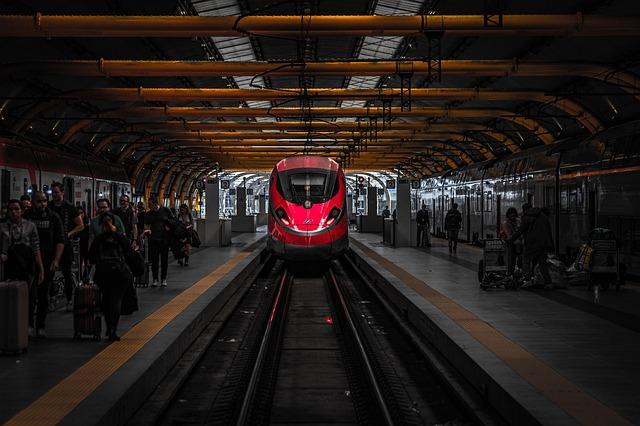
As the demand for faster, more efficient transportation grows, high-speed rail projects are poised to reshape how regions connect across the United States. One transformative example lies in Massachusetts, where plans to enhance rail infrastructure promise to bridge the gap between the western and eastern parts of the state. This initiative aims not only to cut travel times dramatically but also to foster economic growth, reduce traffic congestion, and promote sustainable mobility. As the nation watches developments in California and beyond, Massachusetts’ high-speed rail efforts underscore a broader movement to modernize America’s transportation network and strengthen regional ties.
Table of Contents
- Transforming Commutes Across Massachusetts Through High-Speed Rail
- Economic Growth and Urban Development Along the Western Eastern Corridor
- Addressing Infrastructure Challenges for Seamless High-Speed Connectivity
- Policy Recommendations to Maximize High-Speed Rail Benefits in Massachusetts
- Concluding Remarks
Transforming Commutes Across Massachusetts Through High-Speed Rail
Massachusetts is on the brink of a transportation revolution as the introduction of high-speed rail promises to dramatically shorten travel times between the state’s western and eastern regions. This advanced rail system is set to redefine daily commuting by offering a swift, reliable alternative to highway travel, significantly easing congestion on major routes such as the Massachusetts Turnpike. The anticipated service will connect key cities including Springfield and Boston, fostering economic growth and revitalizing communities along the corridor. Residents can expect travel times cut by more than half, coupled with modern amenities that enhance comfort and productivity during trips.
- Seamless integration with existing transit networks for effortless transfers
- Reduced carbon footprint through energy-efficient rail technology
- Stimulated local economies by improving accessibility to jobs and education
Beyond speed and convenience, this initiative embodies a forward-thinking commitment to sustainable infrastructure. By encouraging commuters to shift from cars to rail, the project aims to reduce traffic-related emissions and bolster environmental resilience. Additionally, the development is expected to create numerous jobs during both construction and operation phases, further enriching the state’s economic landscape. The high-speed rail will not only transform how people move but also enhance connectivity, making Massachusetts a model for regional transportation innovation.
Economic Growth and Urban Development Along the Western Eastern Corridor
The ongoing construction of California’s high-speed rail project is already spurring significant economic momentum across key regions from Merced to Bakersfield. With over 171 miles of track under design and construction, and more than 80 miles of completed guideway, the infrastructure lays a foundation for transformative growth. This investment is creating jobs and attracting businesses, thereby invigorating local economies in Madera, Fresno, Kings, and Tulare counties.The development of 61 major structures, with dozens more underway, illustrates the scale and commitment driving regional urban expansion alongside this pivotal transit corridor.
Urban development is booming as accessibility improves, prompting municipalities to reimagine transit-oriented growth zones. The rail line’s promise of faster, cleaner connections between western and eastern areas is encouraging:
- New residential and commercial hubs focused around stations
- Revitalization of downtown cores and suburban expansions
- Increased investment in public amenities and infrastructure
These changes are not only enhancing quality of life but positioning the corridor as a dynamic engine of regional prosperity. As the system progresses,it is expected to integrate further with California’s broader economic framework,stimulating innovation and sustainable urban change.
Addressing Infrastructure Challenges for Seamless High-Speed Connectivity
Overcoming geographical and logistical barriers remains at the core of expanding high-speed rail networks across diverse terrains between the West and East Mass regions. This involves not only constructing advanced rail lines capable of supporting speeds upward of 200 mph but also integrating them into existing urban and rural landscapes without disrupting daily life. Key efforts focus on designing resilient infrastructure to withstand variable climates and ensuring continuous connectivity through upgraded bridges, tunnels, and rail yards. Coordination among multiple stakeholders, including state agencies and local municipalities, is crucial to streamline permitting processes and address community concerns promptly.
To enable truly seamless travel, the project targets several cornerstone developments:
- Enhanced track alignments that reduce sharp curves and optimize speed without sacrificing safety.
- State-of-the-art signaling systems to ensure real-time communication between trains and control centers.
- Dedicated spur routes extending into underserved regions, enhancing accessibility and economic opportunities.
- Sustainable materials and construction practices to minimize environmental impact and promote longevity.
These advancements not only boost operational efficiency but also pave the way for a reliable and future-proof transit solution that can handle increased passenger volumes while reducing carbon footprints.
Policy Recommendations to Maximize High-Speed Rail Benefits in Massachusetts
State and local governments must prioritize integrated transportation planning to ensure the high-speed rail system seamlessly connects with existing public transit networks across Massachusetts. Enhancing last-mile connectivity through expanded bus routes, bike-sharing programs, and pedestrian-friendly infrastructure will be essential to fully capitalize on the rail’s potential. Additionally,implementing transit-oriented development policies near stations can stimulate economic growth and encourage sustainable urbanization,fostering vibrant communities that benefit from increased accessibility.
Equitable investment and community engagement strategies are critical for maximizing benefits, especially in historically underserved Western Mass areas. Policymakers should allocate funds to workforce training and small business support programs, enabling local populations to directly participate in the emerging high-speed rail economy. Clear, inclusive decision-making processes will help address potential displacement concerns and ensure that the transformative power of high-speed rail contributes to reducing regional disparities rather than exacerbating them.
- Integrate multimodal transit systems around rail stations
- Promote transit-oriented development to boost local economies
- Prioritize equitable funding and workforce development
- Engage communities to mitigate displacement and foster inclusion
Concluding Remarks
As Western and Eastern Massachusetts stand poised on the brink of a new era in transportation,high-speed rail promises to redefine connectivity and economic opportunity across the state. By shrinking travel times, fostering regional collaboration, and catalyzing investment, this infrastructure project could transform the way residents live, work, and engage with their communities.While challenges remain, the potential benefits underscore a pivotal moment for Massachusetts-one that may well set a model for future sustainable transit initiatives nationwide. The journey toward bridging the Bay State’s diverse regions is underway, and the impact of high-speed rail will be one to watch closely.