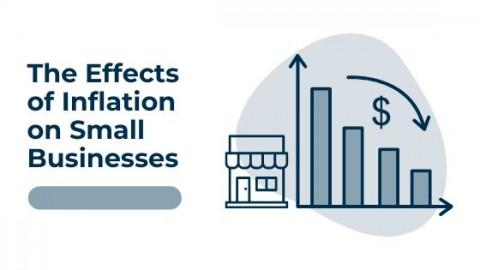
In the face of rising inflation rates, small business owners are feeling the pressure as costs surge and consumer spending shifts.One local entrepreneur recently spoke out to share firsthand insights into how inflation is impacting everyday operations,pricing strategies,and long-term planning. This candid perspective sheds light on the challenges and adaptive measures small businesses are deploying to navigate economic uncertainty.
Table of Contents
- Impact of Rising Costs on Small Business Operations
- Strategies for Managing Cash Flow Amid Inflation
- Adjusting Pricing Without Losing Customers
- Advice for Navigating Supply Chain Challenges
- Closing Remarks
Impact of Rising Costs on Small Business Operations
Small business owners are grappling with a surge in operational expenses as inflation continues to tighten its grip on the economy. From escalating raw material prices to increased utility bills,these rising costs are forcing companies to reevaluate their budgets. Many report that margins are being squeezed to unprecedented levels, prompting tough decisions such as reducing workforce hours or postponing planned expansions. This financial pressure has also highlighted vulnerabilities within supply chains, further complicating efforts to maintain steady inventory and service levels.
In response, owners are adopting a variety of adaptive strategies to stay afloat:
- Negotiating with suppliers for better rates or bulk discounts
- Adjusting pricing structures cautiously to balance customer retention and profitability
- Investing in technology to automate processes and reduce labor costs
- Increasing focus on local markets to minimize shipping expenses and support community ties
Though these measures offer some relief, the overarching sentiment remains one of vigilance as small businesses navigate the uncertain terrain of a high-inflation environment.
Strategies for Managing Cash Flow Amid Inflation
Adapting quickly to rising costs has become an essential practice for small businesses navigating the current inflationary landscape. Many owners stress the importance of maintaining a rigorous cash flow forecast, updated weekly, to ensure liquidity is preserved. This proactive approach allows them to anticipate potential shortfalls and arrange backup financing before cash crunches impact operations.Additionally, diversifying revenue streams reduces dependency on any single source, helping to cushion the impact of price volatility in materials and labor.
Smart cost management is critical. Business leaders emphasize:
- Negotiating better terms with suppliers to manage input price spikes.
- Adjusting payment cycles and invoicing frequency to accelerate receivables.
- Implementing dynamic pricing strategies that reflect real-time cost pressures without alienating customers.
- Leveraging technology and automation to increase operational efficiency and reduce overhead.
Adjusting Pricing Without Losing Customers
Navigating price adjustments during inflationary times demands a delicate balance. Small business owners emphasize the importance of clear communication with customers to maintain trust. Instead of abrupt price hikes,gradual increases coupled with clear explanations about rising costs can substantially soften the impact. Additionally, emphasizing the sustained value of products or services helps customers understand the rationale behind price changes without feeling alienated.
Innovative pricing strategies can also shield customer loyalty amid inflation. Business leaders recommend:
- Bundling products or services to offer perceived discounts while maintaining overall revenue.
- Introducing tiered pricing options to cater to different customer segments.
- Highlighting non-price benefits such as quality, convenience, or exclusive features.
Ultimately, these thoughtful approaches to pricing adjustments prevent customers from seeking cheaper alternatives and reinforce long-term relationships in a challenging economic climate.
Advice for Navigating Supply Chain Challenges
Small business owners emphasize the importance of maintaining flexibility within supply chains to better withstand inflation-driven disruptions. Adapting quickly to fluctuations in supply availability and pricing requires proactive communication with suppliers and diversifying sourcing options. By establishing strong relationships and exploring choice vendors, businesses can stabilize inventory levels without sacrificing quality or price competitiveness.
- Monitor supply trends regularly to anticipate shortages or delays.
- Invest in technology that enhances inventory forecasting and order management.
- Negotiate flexible contracts that accommodate price variability and delivery adjustments.
- Build buffer stocks strategically, especially for high-demand or essential items.
Understanding the core economic concept of supply-as the quantity of products available for sale at specific prices and times-helps businesses adapt pricing strategies and manage customer expectations effectively. Inflation intensifies supply chain challenges, but informed adjustments rooted in economic principles can create resilience. Encouraging collaboration across the supply chain, from manufacturers to retailers, ensures a more transparent flow of goods and details, essential for navigating ongoing market volatility.
Closing Remarks
As small business owners continue to navigate the challenges posed by inflation, insights like these shed light on the real-world impacts behind the numbers. Their experiences underscore the importance of adaptive strategies and supportive economic policies to help sustain growth and resilience in the small business sector. Moving forward, keeping a close eye on inflation trends and their ripple effects remains essential for both business owners and policymakers alike.