
As rising ocean temperatures continue to alter marine ecosystems worldwide, the fishing industry is undergoing significant strategic shifts to adapt to these environmental changes. From shifting target species and adjusting fishing seasons to adopting innovative technologies, stakeholders are actively responding to the impacts of warming seas on fish populations and habitats. This evolution in practices reflects a broader effort to sustain both the industry and the marine resources it depends on amid the growing challenges posed by climate change.
Table of Contents
- Fishing Industry Adapts to Changing Marine Ecosystems as Ocean Temperatures Rise
- Economic Impact of Warming Waters on Global Fishing Communities
- Innovative Technologies Drive Sustainable Practices in Response to Climate Challenges
- Policy Recommendations Aim to Support Resilient Fisheries and Protect Ocean Health
- Key Takeaways
Fishing Industry Adapts to Changing Marine Ecosystems as Ocean Temperatures Rise
As ocean temperatures continue to climb, commercial and recreational fishers are recalibrating their operations to keep pace with shifting marine environments. Traditional fishing hotspots are experiencing altered fish migration patterns, prompting industry players to seek out new waters and adapt seasonal schedules. Coastal communities are increasingly investing in advanced monitoring technologies to track temperature fluctuations and fish stock movements in real-time, enabling more responsive and sustainable harvesting practices.
Key adaptive strategies include:
- Diversifying target species to include those more resilient to warmer waters
- Implementing selective fishing gear to minimize bycatch and protect vulnerable ecosystems
- Collaborating with scientists to develop predictive models forecasting species relocation patterns
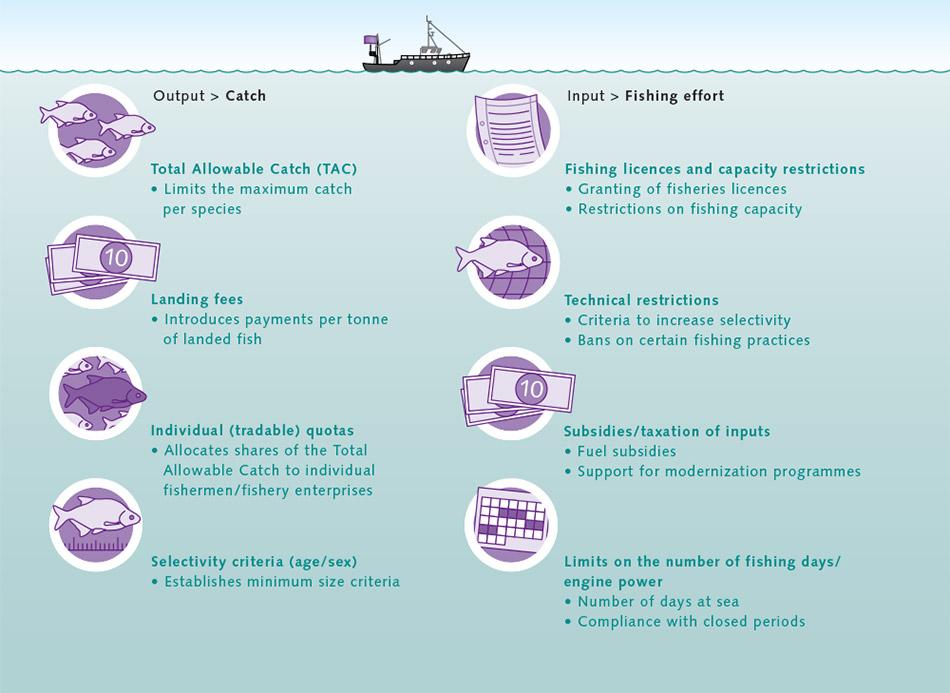
- Adjusting quotas and fishing seasons based on emerging ecological data
These proactive measures reflect an industry increasingly aware of the need for sustainability amid environmental uncertainty. By embracing innovation and versatility, fishers aim to preserve marine biodiversity while supporting the economic vitality of coastal regions.
Economic Impact of Warming Waters on Global Fishing Communities
Coastal and island fishing communities worldwide face increasing economic instability as rising ocean temperatures disrupt the delicate marine ecosystems on which they rely. Traditional fish stocks are declining or migrating to cooler waters, leading to reduced catches and heightened competition among fishers. This has forced many to reevaluate their livelihoods and adapt to fluctuating availability of key species. Local economies heavily dependent on fishing are grappling with the fallout, encountering job losses and declining incomes, which ripple through related sectors such as seafood processing and local markets.
Communities are employing a range of new strategies to mitigate these effects, including:
- Diversification of target species to include more heat-tolerant or newly abundant varieties.
- Investments in sustainable aquaculture to supplement wild catch and create alternative income streams.
- Enhanced regional cooperation to manage shifting fish stocks and share resources and knowledge.
- Adoption of advanced technology like GPS tracking and real-time data to improve catch efficiency.
While these efforts offer hope, significant challenges remain, notably for small-scale fishers who lack access to capital and infrastructure to implement such changes effectively.
Innovative Technologies Drive Sustainable Practices in Response to Climate Challenges
Advancements in technology are reshaping the fishing industry’s approach to combating the severe impacts of rising ocean temperatures.Cutting-edge tools such as AI-driven stock monitoring, drone surveillance, and smart fishing nets now enable real-time tracking of fish populations and their migration patterns, helping fishermen optimize catches while minimizing ecological disruption. These innovations are crucial for maintaining ecosystem balance and ensuring the long-term viability of fisheries amid shifting marine environments.
Moreover, industry players are adopting sustainable techniques aligned with global standards of environmental stewardship. Key strategies include:
- Precision aquaculture: Leveraging sensors and automated feeding systems reduces waste and energy consumption.
- Eco-friendly gear: Growth of biodegradable nets and selective fishing tools to limit bycatch and habitat damage.
- Renewable energy integration: Using solar and wind power to lower the carbon footprint of fishing operations.
These efforts not only address immediate climate-related challenges but also reflect a broader commitment to fulfilling present needs without compromising future generations, reinforcing the industry’s shift toward genuinely sustainable development practices.[[2]][[3]]
Policy Recommendations Aim to Support Resilient Fisheries and Protect Ocean Health
Government agencies and environmental organizations are pushing for a comprehensive overhaul of fisheries management policies to bolster the resilience of marine ecosystems amid mounting climatic pressures. Key recommendations emphasize adaptive strategies that include dynamic catch limits responsive to real-time ecological data, protection of critical habitats, and integration of indigenous knowledge into regulatory frameworks. By aligning policies with the latest scientific insights, these efforts seek to mitigate the risks posed by ocean warming, acidification, and biodiversity loss.
Priorities outlined in recent proposals include:
- Implementing ecosystem-based management to account for species interdependencies and habitat health
- Expanding marine protected areas to safeguard spawning and nursery grounds
- Enhancing monitoring programs to track environmental changes and stock abundance more effectively
- Promoting sustainable fishing practices to reduce bycatch and habitat degradation
Such policy shifts are deemed crucial for maintaining economic stability within fishing communities while ensuring long-term ocean health and productivity in the face of shifting climatic conditions.
Key Takeaways
As the fishing industry confronts the mounting challenges posed by rising ocean temperatures, stakeholders are embracing innovative strategies to sustain both livelihoods and marine ecosystems.From adapting fishing practices in coastal hubs like Newport,Oregon,to recalibrating efforts on iconic rivers such as the Rogue,resilience and flexibility are key. The path forward will depend on continuous collaboration between fishers, scientists, and communities to navigate an uncertain future while preserving the rich biodiversity that defines these waters.