
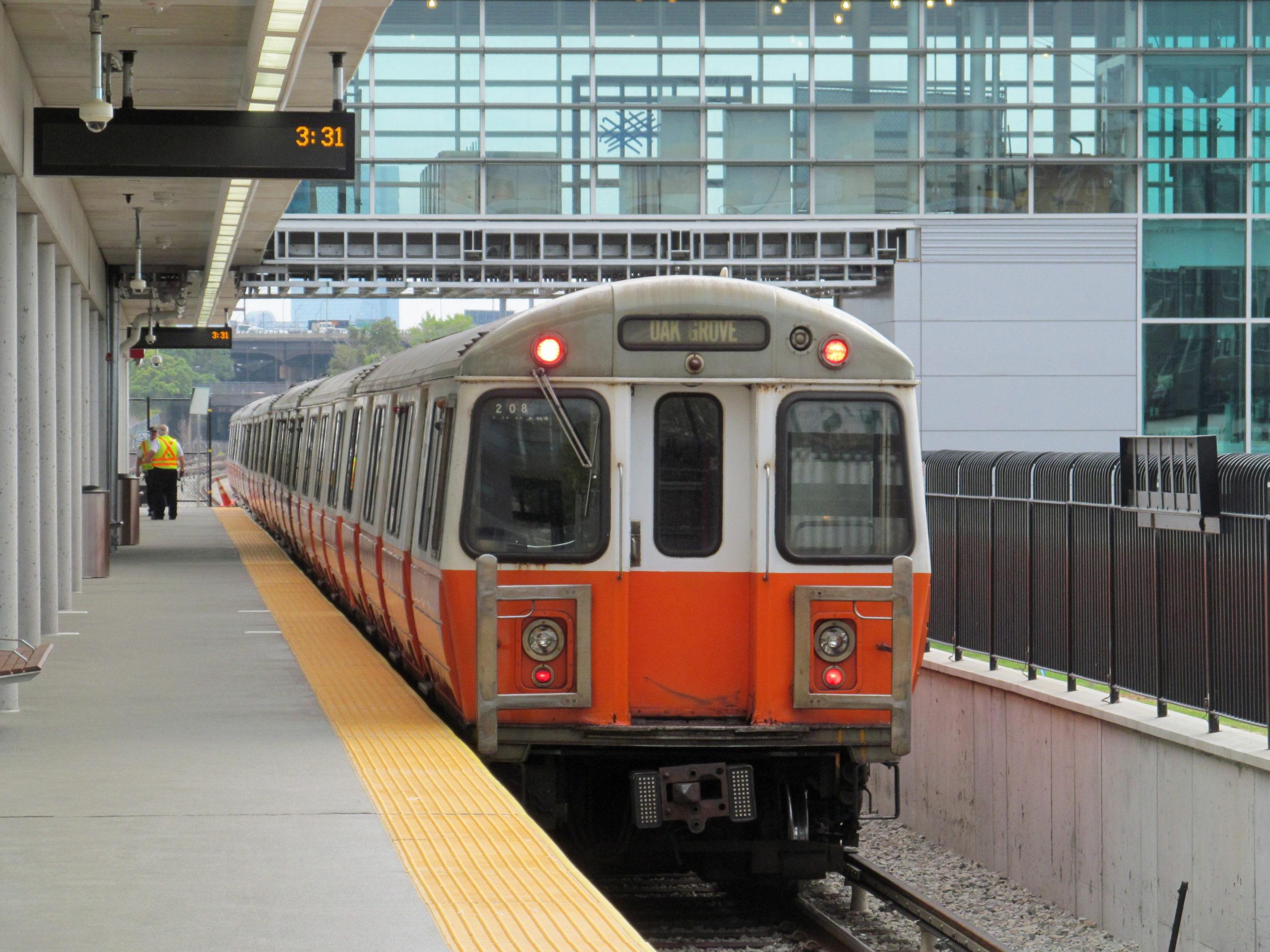
The Massachusetts Bay Transportation Authority (MBTA) has unveiled its early 2025 construction plans, focusing on critical upgrades to bridges and accessibility improvements across its network.These projects aim to enhance safety, comply with the Americans with Disabilities Act (ADA), and improve overall transit experience for riders. Key initiatives include the commencement of construction on the Green Line C Branch to elevate and widen platforms for ADA compliance, and also continued efforts to modernize and make stations like Natick Center fully accessible. The MBTA’s ambitious agenda underscores its commitment to addressing infrastructure needs while managing expected disruptions to traffic and transit services in affected areas. [3], [1].
Table of Contents
- MBTA Outlines Key Bridge Renovations to Enhance Safety and Durability
- Focus on Improved Accessibility Features to Support Commuter Convenience
- Detailed Timeline and Budget Allocation for Early 2025 Construction Projects
- Recommendations for Minimizing Commuter Disruptions During Bridge Work
- Future Outlook
MBTA Outlines Key Bridge Renovations to Enhance Safety and Durability
The Massachusetts Bay Transportation Authority (MBTA) is preparing to undertake critical bridge rehabilitation projects aimed at bolstering infrastructure resilience and passenger safety across its network. These renovations will target several aging bridges that have exhibited signs of wear, focusing on structural reinforcements, corrosion protection, and updated safety features. By employing advanced engineering techniques and modern materials, the MBTA plans to extend the lifespan of these key transportation arteries while minimizing disruption to daily commutes.
Key components of the work will include:
- Complete deck replacements to address deteriorated surfaces and improve load-bearing capacity
- Strengthening of support piers and beams using reinforced concrete and steel plating
- Installation of updated guardrails and safety barriers compliant with current safety standards
- Enhanced drainage systems to prevent water accumulation and reduce corrosion risks
These measures are expected to enhance durability, uphold rigorous safety standards, and ensure reliable service continuity for all MBTA users well into the future.
Focus on Improved Accessibility Features to Support Commuter Convenience
The upcoming construction initiatives prioritize enhanced accessibility to ensure all commuters experience a safer and more seamless journey. New installations will include modern elevators, tactile warning strips on platforms, and upgraded ramps that comply with the latest ADA standards. These improvements are aimed at reducing physical barriers, notably for passengers with limited mobility, seniors, and those traveling with strollers or heavy luggage. MBTA’s commitment extends to improving signage clarity and auditory aids, facilitating better navigation through stations during peak hours and service disruptions.
Additional measures will focus on technology-driven accessibility enhancements, such as:
- Real-time audio announcements upgraded to clearer text-to-speech systems that accommodate a wide range of hearing and cognitive needs.
- Improved lighting and contrast features at access points to guide visually impaired commuters more effectively.
- Expanded seating and rest areas to support passengers who may require frequent breaks while waiting.
These efforts illustrate MBTA’s dedication to making public transit a viable and convenient option for every commuter, integrating accessibility as a core aspect of infrastructure modernization.
Detailed Timeline and Budget Allocation for Early 2025 Construction Projects
The MBTA has outlined a rigorous schedule for its early 2025 construction efforts, focusing on critical bridge repairs and improving access points across the system. Work is slated to begin in January, with milestone completions expected through late spring. Key projects include the rehabilitation of the Longfellow Bridge and upgrades to accessibility features at several Green Line stations. The timeline emphasizes minimal disruption to daily service, leveraging overnight and weekend windows for the most intensive tasks.
Budget allocation for these projects is strategically divided to maximize efficiency and impact,totaling approximately $75 million. Funding priorities break down as follows:
- Bridge restoration and structural enhancements: $45 million
- Station accessibility improvements: $20 million
- Ancillary system upgrades and contingencies: $10 million
These investments underscore the MBTA’s commitment to safety and improved passenger experience, ensuring infrastructure longevity while advancing compliance with ADA standards.
Recommendations for Minimizing Commuter Disruptions During Bridge Work
To ensure smoother travel during the bridge construction projects slated for early 2025, the MBTA is implementing a multi-pronged approach focused on clear communication and alternative transit options. Commuters will benefit from enhanced real-time updates delivered through mobile apps, station announcements, and digital signage, keeping riders informed of schedule changes and detours well in advance. Additional shuttle services and rerouted bus lines will be deployed to bridge key gaps, while temporary Park & Ride facilities will be expanded to ease congestion near affected zones.
Strategic scheduling will play a crucial role, with most disruptive work planned during off-peak hours and weekends to minimize impact on daily ridership. The MBTA also encourages riders to:
- Plan trips ahead by checking updated timetables and alerts.
- Consider carpooling or using alternative transit modes where feasible.
- Allow extra travel time during known construction windows.
- Take advantage of temporary fare incentives to reduce travel costs while disruptions last.
Future Outlook
As the MBTA moves forward with its ambitious construction plans for early 2025, focusing on critical bridges and access improvements, commuters and residents alike can anticipate enhanced safety, reliability, and connectivity across the transit network.These upgrades underscore the authority’s commitment to modernizing infrastructure while minimizing disruption. Continued updates will be essential to track progress and ensure the region stays informed on how these developments will impact daily travel.