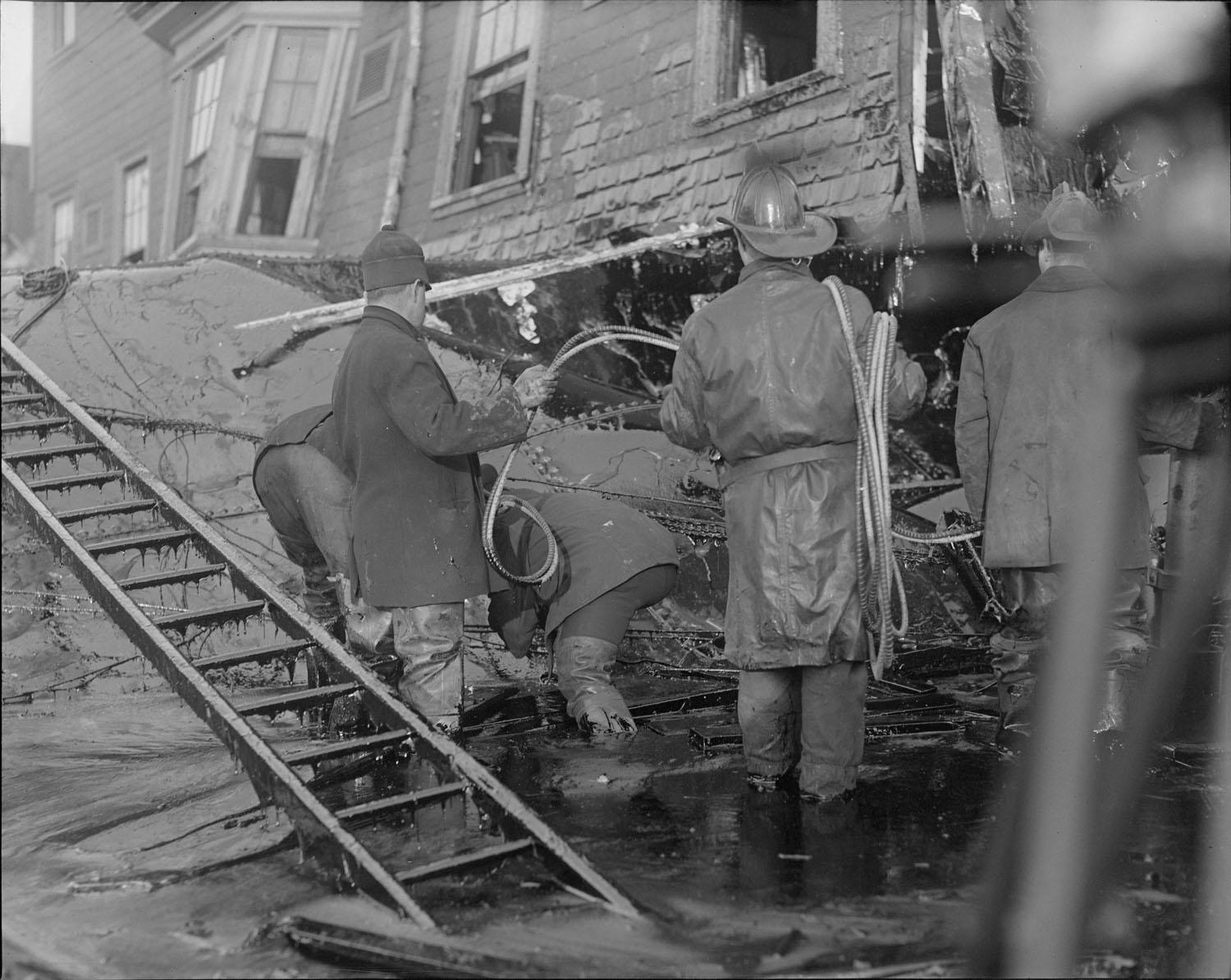
On a cold January afternoon in 1919, Boston’s North End was engulfed in an unprecedented and catastrophic event when a massive storage tank ruptured, unleashing over two million gallons of molasses through the streets at a staggering speed. This deluge,known as the Great Molasses Flood,swept away everything in its path-knocking a train off its tracks,destroying buildings,and tragically claiming 21 lives. The unusual disaster left a sticky mark on the city’s history and reshaped the community forever[[1]](https://www.britannica.com/topic/Great-Molasses-Flood)[[2]](https://www.boston.gov/news/100-years-ago-today-molasses-crashes-through-bostons-north-end)[[3]](https://historycollection.com/the-sticky-disaster-that-defined-a-city-bostons-great-molasses-flood/).
Table of Contents
- The Devastating Impact on Boston’s North End Community
- Engineering Failures Behind the Molasses Tank Collapse
- Long-Term Environmental and Health Consequences
- Preventative Measures to Avoid Future Industrial Catastrophes
- In Retrospect
The Devastating Impact on Boston’s North End Community
The eruption of over 2 million gallons of molasses swept through Boston’s North End with an overwhelming force that devastated the tightly knit community.Residences, businesses, and streets were engulfed in the sticky floodwaters, making rescue efforts chaotic and slow. The flood claimed lives and injured dozens, shaking the neighborhood to its core both physically and emotionally. Infrastructure crumbled under the pressure of the viscous wave, leaving behind a trail of destruction that would take months to repair.
Residents faced immediate and long-term challenges:
- Homes rendered uninhabitable by molasses residue, forcing families to relocate.
- Local businesses destroyed, crippling the neighborhood’s economy.
- Psychological trauma from witnessing and surviving the disaster.
- Disruption of daily life due to blocked roads and contaminated waterways.
The North End’s resilience was tested as cleanup crews and volunteers banded together to restore their community, but the sticky legacy of the flood left a permanent mark on Boston’s history.
Engineering Failures Behind the Molasses Tank Collapse
The catastrophic failure of the molasses tank in Boston’s North End was a stark example of a multitude of engineering oversights and miscalculations. Initially constructed with materials unable to withstand the immense pressure exerted by over 2 million gallons of viscous molasses, the tank suffered from poor-quality steel and substandard rivets. These materials, combined with a rushed construction timeline, compromised the tank’s structural integrity. Furthermore, the design failed to account for the temperature fluctuations of New England winters, leading to metal fatigue and weakened seams. The tank’s lack of proper maintenance and safety inspections contributed heavily to the unnoticed deterioration.
Critical errors included:
- Insufficient wall thickness that could not hold the hydrostatic force of the heavy molasses.
- Flawed rivet installation causing leaks and weakening key joints under stress.
- Skipping crucial non-destructive testing methods that might have revealed internal weaknesses.
- Ignoring industry standards for storage tanks, which were in place but not adhered to during construction.
These oversights, merged with the weighty and volatile nature of molasses itself, transformed what should have been a storage vessel into a tragic catalyst for disaster. The lessons drawn from this failure underscore the absolute necessity of rigorous engineering standards and routine inspections to prevent similar catastrophes.
Long-Term Environmental and Health Consequences
The aftermath of the Great Molasses Flood left a lingering impact on both the environment and public health in Boston’s North End. The massive volume of molasses, a thick by-product primarily derived from sugarcane or sugar beets, saturated the area, creating challenges for cleanup crews dealing with its viscous residue. Environmental disturbance was notable as the sticky syrup infiltrated street drains and soil, disrupting natural water flow and local ecosystems. Over time, this altered habitats for urban wildlife and complicated waste management efforts. Additionally,the fermentation of leftover molasses residues heightened concerns about unpleasant odors and the attraction of pests,intensifying the degradation of quality of life for residents.
From a health perspective, exposure to molasses in such volume carried unique risks. While molasses is generally recognized as safe for consumption and industrial use, the flood’s scale meant that residents and responders encountered thick, sugary sludge that could exacerbate respiratory issues, especially when combined with Boston’s humid summer air. Long-term health concerns also stemmed from slip-and-fall hazards,skin irritation from prolonged contact,and potential bacterial growth in stagnant molasses pools.Public health officials underscored the necessity for immediate decontamination and ongoing monitoring, emphasizing:
- Respiratory health assessments for individuals frequently exposed during cleanup
- Environmental remediation strategies to restore soil and water quality
- Public education about the risks of molasses residues and safe cleanup practices
Preventative Measures to Avoid Future Industrial Catastrophes
In the aftermath of industrial disasters like the Great Molasses Flood, it is paramount to implement rigorous safety protocols and regular inspections to identify potential structural weaknesses before they escalate. Ensuring robust engineering standards and transparent interaction channels among stakeholders can dramatically reduce risk. Businesses must prioritize thorough risk assessments and compliance with evolving safety regulations, utilizing modern technologies such as real-time monitoring systems to detect anomalies early.
Essential preventative measures include:
- Routine integrity testing of storage tanks and containment vessels
- Mandatory safety training and emergency drills for all personnel
- Strict adherence to load limits and pressure thresholds
- Investing in durable, corrosion-resistant materials for industrial infrastructure
- Collaboration with expert industrial safety consultants to review and update protocols
Embedding a culture of continuous improvement and vigilance within industrial operations is not merely a recommendation but a necessity. Early intervention through predictive maintenance and thorough planning can save lives and prevent catastrophic economic losses, safeguarding communities and businesses alike from repeating history’s costly mistakes.
In Retrospect
The Great Molasses Flood remains a vivid reminder of how unexpected disasters can reshape a community. Its legacy endures in the North End, underscoring the importance of industrial safety and preparedness. As Boston continues to grow and evolve, the sticky tragedy of 1919 serves as a somber chapter in its history – one that calls for reflection and vigilance to prevent future calamities.