The Red Sox enter the offseason looking to add power after another early playoff exit, with a decision on Sonny Gray’s future and uncertainty over baseball’s next labor agreement complicating plans for 2027.
Boston has qualified for the postseason in consecutive years, only to lose to the Yankees in each Wild Card Series. The latest defeat exposed an offensive weakness: The Sox managed four extra-base hits across two games, NESN reported, after finishing the regular season with 163 home runs, ranking 26th in the majors.
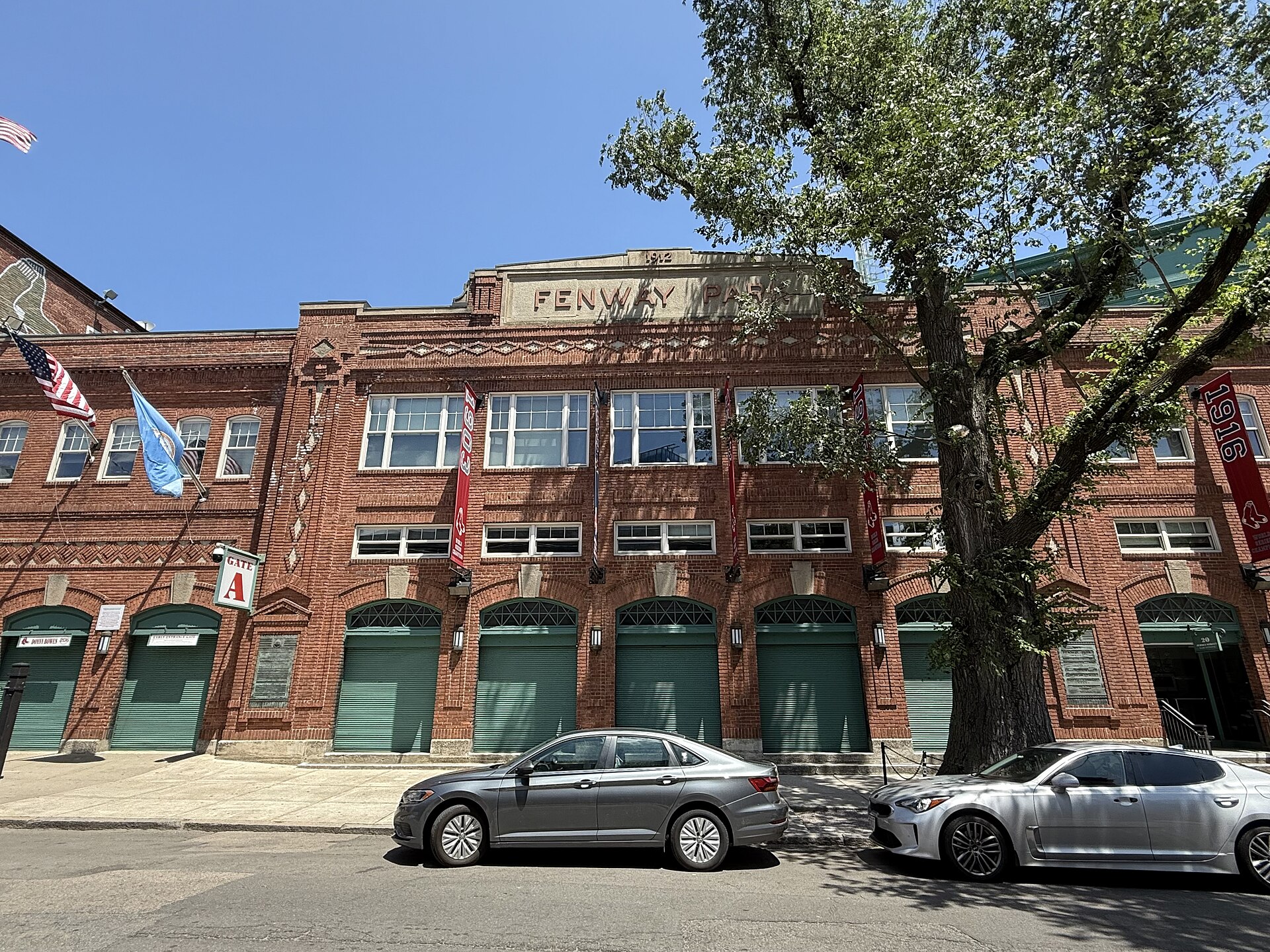
Chief baseball officer Craig Breslow identified offense as a priority during the club’s season-ending news conference, according to Boston Red Sox On SI. He described the starting pitching as a strength but said Boston’s ability to reach base had not translated into enough slugging. Building an offense suited to Fenway Park would be part of the offseason evaluation, he said.
Willson Contreras paced Boston with 27 homers, according to NESN. The team’s overall production left it near the bottom of the playoff field in home runs, despite another winter of roster additions before the 2026 season.
Gray option creates an early decision
Boston also must resolve a significant pitching question. Gray has a mutual option worth $30 million for 2027, with a $10 million buyout, according to MLB Trade Rumors. The decision is due within five days after the World Series ends.
The Sox acquired Gray from St. Louis before the 2026 season, MLB Trade Rumors reported. His possible departure would leave Boston considering how to preserve a rotation that Breslow cited as one of the roster’s strongest elements. Boston Red Sox On SI identified Brayan Bello and Tanner Houck as internal right-handed alternatives if Gray does not return.
The broader budget remains unsettled. The Boston Globe estimates Boston’s 2027 payroll for luxury-tax purposes at roughly $258.5 million under the existing agreement, assuming contracts are offered to most arbitration-eligible players. That would exceed the 2026 threshold of $244 million even before additions.
But the current collective bargaining agreement expires Dec. 1. Owners are expected to impose a lockout, the Globe reported, and teams do not yet know what spending limits or penalties a replacement agreement might establish, or whether the 2027 schedule will include all 162 games.
President and CEO Sam Kennedy said the labor situation would not change the organization’s goal of improving, according to the Globe. The newspaper nevertheless noted that previous bargaining cycles influenced when and how Boston committed money.
Power options and roster flexibility
One potential source of payroll flexibility is the crowded outfield. Jarren Duran is projected to earn $11.1 million through arbitration, according to MLB Trade Rumors. The Globe identified trading him or declining to offer him a contract as possible ways to reduce spending, not as announced team decisions.
Among potential additions, NESN highlighted Japanese slugger Teruaki Sato as a possible fit rather than a confirmed Boston target. The Hanshin Tigers have announced plans to post the 27-year-old, who plays third base and right field.
Sato won the Central League Triple Crown after batting .306 with 39 homers and 106 RBIs in 2026, NESN reported. His availability could offer another route to power, though the outlet also noted concerns about strikeouts. There is no reported Red Sox plan to pursue him in the supplied coverage.
What's next: Gray’s option deadline follows the World Series, while the Dec. 1 labor deadline approaches. Those two decisions will help frame Boston’s roster and spending choices as the club looks for more offense.