
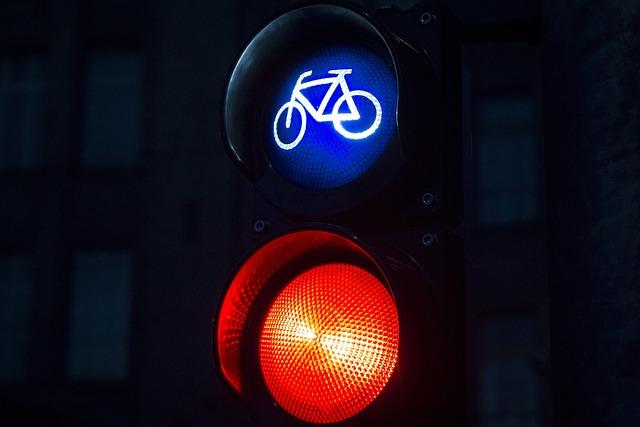
In an era where urbanization and vehicle numbers continue to surge, innovations in traffic management and control have become critical to easing congestion and improving road safety. Today’s advancements, from intelligent traffic signals to real-time monitoring systems, are redefining how cities and highways handle the flow of vehicles. These cutting-edge technologies not only enhance efficiency on busy routes but also respond dynamically to incidents, ensuring smoother transit and safer journeys for all.As traffic patterns grow more complex,the integration of smart solutions is proving indispensable in tackling chronic transportation challenges worldwide.
Table of Contents
- Emerging Technologies Revolutionizing Urban Traffic Flow
- AI and Machine Learning Driving Smarter Traffic Signals
- Integrating IoT for Real-Time Traffic Monitoring and Management
- Policy Recommendations to Support Innovative Traffic Solutions
- In Retrospect
Emerging Technologies Revolutionizing Urban Traffic Flow
Advancements in artificial intelligence (AI) and machine learning are at the forefront of revolutionizing urban traffic systems.Smart traffic lights, integrated with AI algorithms, dynamically adapt signal timing based on real-time traffic conditions, significantly reducing congestion and wait times. Additionally, the integration of Internet of Things (IoT) devices enables continuous data collection from road sensors, cameras, and connected vehicles, providing a complete view of traffic patterns that city planners never had before. This data-driven approach allows for proactive management strategies such as rerouting during peak hours and optimizing public transit scheduling, paving the way for more efficient and safer urban commutes.
Beyond AI and IoT, innovations such as 5G connectivity and edge computing further enhance traffic control by enabling near-instant interaction between traffic signals, emergency services, and autonomous vehicles. Emerging technologies also include:
- Predictive analytics platforms that forecast traffic surges and help mitigate bottlenecks
- Adaptive traffic management systems that respond to special events or accidents in real time
- Smart parking solutions that reduce circling vehicles and associated emissions
Collectively, these tools are transforming cities into responsive ecosystems that improve traffic flow, reduce environmental impact, and elevate the urban quality of life.
AI and Machine Learning Driving Smarter Traffic Signals
Cities worldwide are deploying AI-powered traffic signal systems that harness real-time data streams from sensors, cameras, GPS, and connected infrastructure to optimize urban mobility. By continuously analyzing traffic flow, pedestrian movement, and road incidents, these intelligent systems dynamically adjust signal timings and prioritize emergency vehicles, reducing congestion and improving overall traffic efficiency. This proactive approach enables municipalities to respond swiftly to fluctuating traffic patterns, minimizing delays even during peak hours.
Key benefits of AI-driven traffic signals include:
- Shorter travel times and reduced vehicle idling
- Lower emissions contributing to cleaner air
- Enhanced safety for pedestrians and cyclists through adaptive prioritization
- Improved emergency response times by prioritizing priority vehicles
As machine learning algorithms become more complex, traffic management evolves from fixed schedules to intelligent systems capable of predictive adjustments, setting a new standard in urban congestion control and sustainability.
Integrating IoT for Real-Time Traffic Monitoring and Management
Cities worldwide are leveraging the power of the Internet of Things (IoT) to revolutionize how traffic is monitored and managed in real time. Through a sophisticated network of sensors, cameras, and connected devices embedded in infrastructure, authorities can now collect and analyze vast amounts of data instantly. This seamless connectivity enables immediate detection of congestion, accidents, and irregular driving patterns, allowing for dynamic traffic signal adjustments and timely dispatch of emergency services. By converting raw data into actionable insights, IoT transforms urban mobility, reduces bottlenecks, and enhances the overall efficiency of transportation systems.
Key benefits of IoT-driven traffic management include:
- Real-time traffic flow optimization through adaptive signal control
- Improved road safety via automated incident detection and rapid alerts
- Enhanced commuter experience with live updates and predictive routing
- Reduced environmental impact by minimizing idle times and emissions
As IoT devices continue to evolve and their deployment becomes more widespread, the integration of smart traffic solutions is set to become the cornerstone of smart city growth, fostering safer and more lasting urban environments.
Policy Recommendations to Support Innovative Traffic Solutions
To accelerate the deployment of cutting-edge traffic technologies, policymakers must prioritize comprehensive funding mechanisms paired with streamlined regulatory frameworks. Encouraging collaboration between federal, state, and local agencies ensures that resources are allocated efficiently and innovations can be scaled swiftly. Additionally, fostering data sharing standards and supporting public-private partnerships are critical for integrating smart infrastructure with emerging mobility solutions. These strategies collectively promote resilience, adaptability, and enhanced traffic flow across urban environments.
Key recommendations include:
- Establishing dedicated grants and funding streams for intelligent transportation system (ITS) projects
- Implementing clear guidelines that support fast adoption of new technologies while ensuring data privacy and security
- Encouraging investment in workforce development to manage and maintain evolving traffic management platforms
- Facilitating interagency coordination to synchronize traffic management efforts and share real-time information
- Promoting flexible policies that adapt to rapid technological advances and emerging transportation modes
By embracing these policy directions, governments can transform customary traffic management into dynamic, data-driven systems that reduce congestion, enhance safety, and improve environmental outcomes. The integration of intelligent solutions hinges not only on technology availability but on proactive governance that aligns innovation with public values and infrastructure needs.
In Retrospect
As cities continue to grow and traffic volumes increase, the integration of cutting-edge technologies in traffic management stands as a crucial step toward safer, more efficient roadways.From real-time monitoring systems to adaptive control strategies,these innovations are reshaping how authorities respond to incidents and manage traffic flow. The ongoing evolution in this field promises not only to reduce congestion and improve travel times but also to enhance overall public safety. As these advancements take hold, drivers and communities alike can look forward to a future where intelligent traffic control plays a key role in smoother and smarter transportation networks.