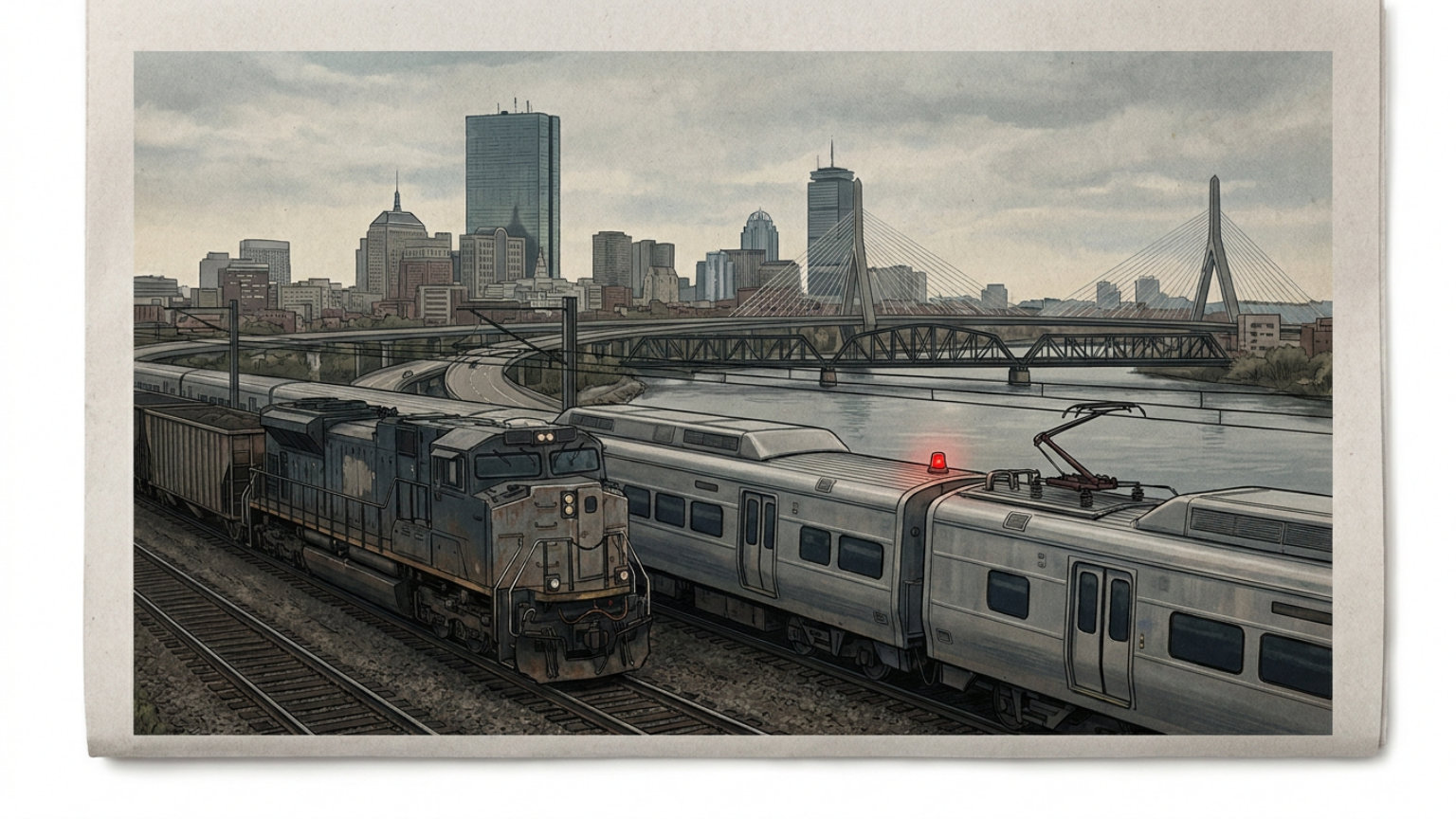
Passengers aboard an MBTA Providence Line commuter train faced a prolonged trip home Tuesday night after waiting in dark cars and then walking along the tracks to Ruggles station in Boston, according to NBC Boston. Reaching the station did not bring an immediate end to the disruption, one rider told the outlet.
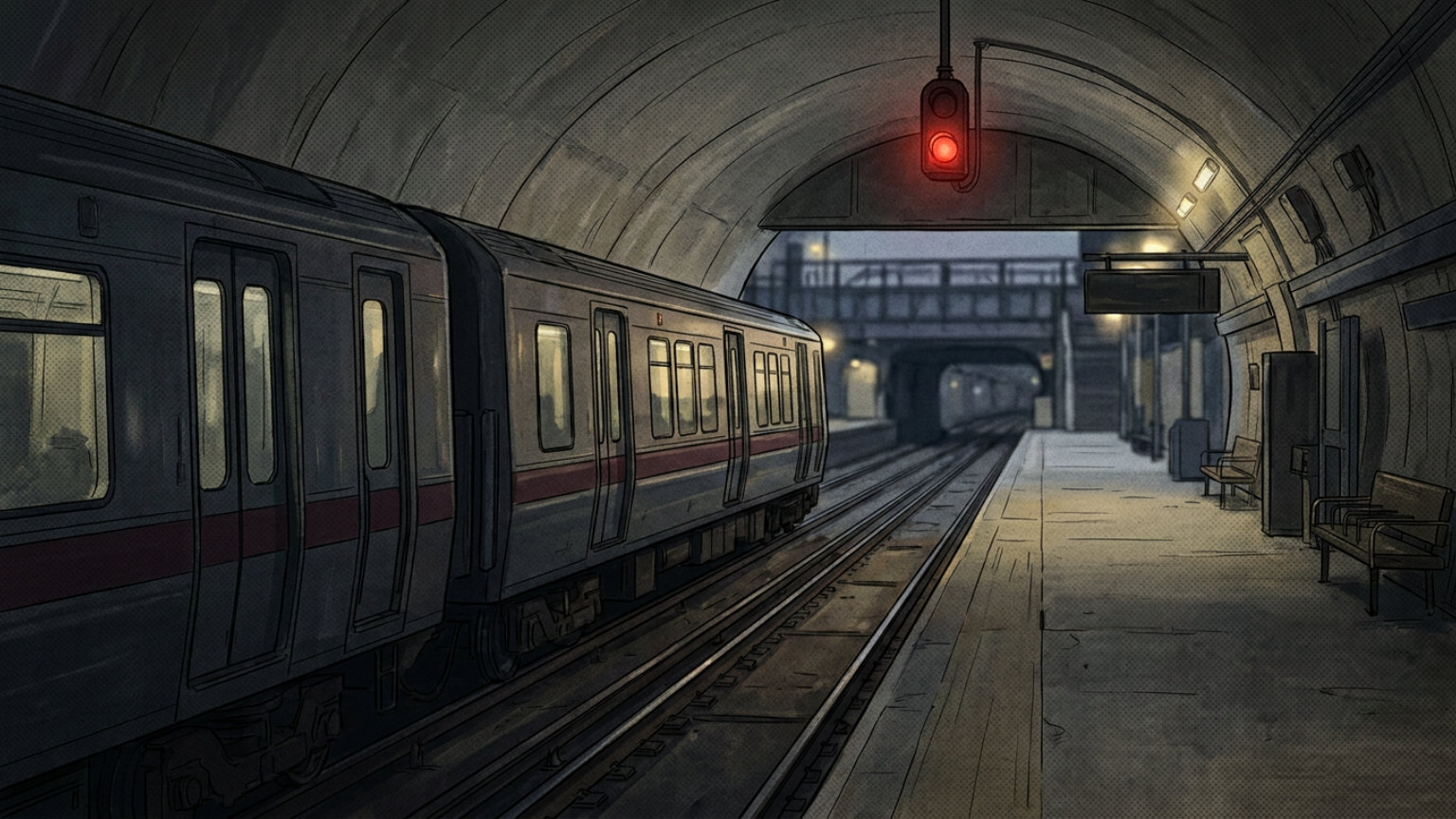
Passenger Dan Brogan described spending close to two hours aboard the train before getting out. During the wait, he said, the car lights were out and air was no longer circulating. He described conditions inside as increasingly hot and uncomfortable before passengers left the train.
The account places the lengthy onboard wait at the center of a trip that stretched into hours. Brogan’s estimate of nearly two hours referred to the time he spent sitting on the dark train, not a confirmed total for the entire journey. NBC Boston reported that additional delays followed the walk to Ruggles.
Brogan told the station that passengers stepped out in a dark tunnel and walked on the rails to reach Ruggles. His description indicates that leaving the train involved a walk through the rail corridor rather than simply stepping from a car onto a station platform. The supplied report does not specify the distance they traveled on foot.
For riders, the disruption therefore involved several distinct stages: a long wait inside the train, an exit into the tunnel, a walk toward the station and further waiting afterward. The account does not establish how long each part took beyond Brogan’s estimate of his time aboard the train.
Cause and full timeline remain unclear
NBC Boston’s available account centers on the conditions passengers experienced. It does not identify what initially stopped the train, why the lights went out or what caused the lack of circulating air described by Brogan. Those details remain separate from the passenger’s account of what happened inside the cars.
The supplied material also does not explain who directed passengers to leave, how the walk to Ruggles was organized or what instructions riders received along the way. It contains no statement from an MBTA official addressing the circumstances of the exit or the train’s condition.
The number of passengers aboard and the train’s precise location before riders got out are not specified in the available report. Nor does it provide a train number or a schedule showing when that particular trip was supposed to reach its destination.
Although Brogan described reaching Ruggles, the available account does not say when he or the other passengers ultimately completed their trips. It also does not establish the extent of any disruption elsewhere on the Providence Line. What it documents is a lengthy interruption for those aboard, followed by a walk to the station that did not immediately resolve their travel delays.