
Boston Harbor, a vital gateway to the New England region, has long played a pivotal role in shaping the maritime history of the United States. From its early days as a bustling colonial port to its transformation into a modern maritime hub, the harbor’s development reflects centuries of economic growth, innovation, and strategic importance. Today, Boston Harbor not only serves as a cornerstone of the city’s rich cultural and historical identity but also continues to influence regional trade, transportation, and environmental initiatives. This article explores the evolution of Boston Harbor and its enduring impact on maritime history, underscoring its significance in both past and present contexts.
Table of Contents
- Boston Harbor Transformation Through the Centuries Unveiling Key Milestones
- Economic Ripple Effects Driving Regional and National Trade Growth
- Preserving Maritime Heritage Balancing Development with Cultural Conservation
- Future Prospects Advancing Sustainable Innovation for Boston Harbor
- Key Takeaways
Boston Harbor Transformation Through the Centuries Unveiling Key Milestones
Boston Harbor, a pivotal maritime gateway as the early 17th century, has undergone remarkable transformations reflecting the city’s evolving economic, social, and environmental narrative. Initially a bustling hub for colonial trade and shipbuilding, the harbor played a crucial role during the American Revolution, serving as a strategic naval asset. The 19th and 20th centuries saw significant industrial expansion with the introduction of extensive port facilities, wharves, and rail connections that positioned Boston as a major player in international shipping and commerce. These centuries also marked key environmental challenges as industrial growth led to pollution and water quality issues,eventually sparking groundbreaking restoration efforts in the late 20th century.
Today, Boston Harbor exemplifies a remarkable resurgence, balancing historic preservation with modern innovation. Key milestones in this transformation include:
- The Boston Harbor Cleanup Initiative (1980s-2000s): One of the largest environmental cleanup projects in U.S. history, restoring the harbor’s water quality and marine ecosystems.
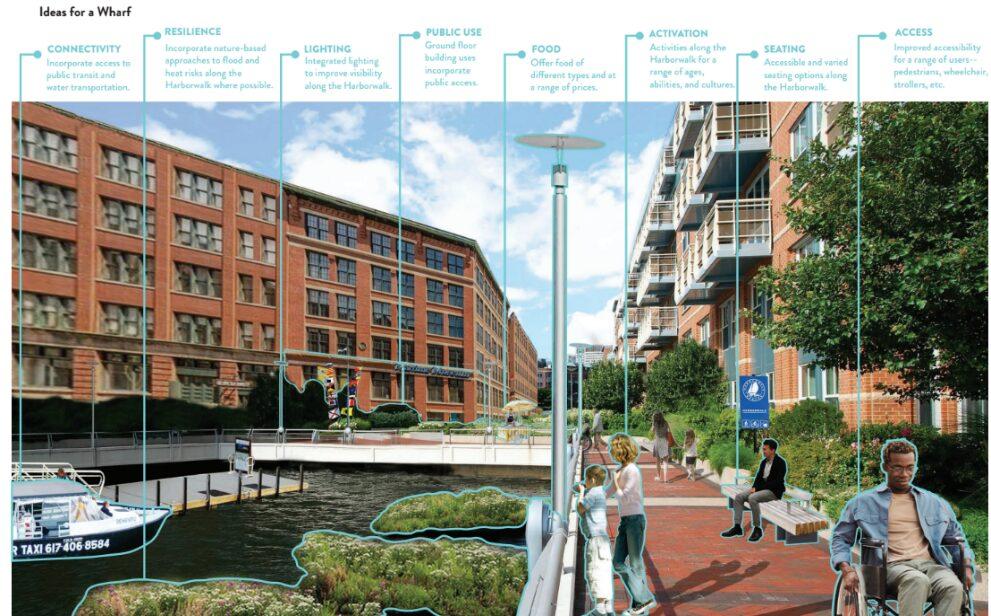
- The HarborWalk Development: Establishing public access along the waterfront, integrating recreational spaces with Boston’s rich maritime heritage.
- Advances in Port Modernization: Upgraded terminals and infrastructure enhanced cargo handling and cruise ship support, maintaining Boston’s status as a vital maritime center.
- Integration of Sustainable Practices: Emphasizing green technology and conservation, the harbor now supports thriving ecosystems alongside commercial activity.
This dynamic evolution underscores Boston Harbor’s enduring significance, not only as a historic maritime landmark but also as a model for sustainable urban waterfront development.
Economic Ripple Effects Driving Regional and National Trade Growth
Boston Harbor’s expansion has long been a catalyst for both regional prosperity and the expansion of national trade routes. The harbor’s strategic positioning at Massachusetts Bay allowed for the seamless flow of goods, fostering a bustling maritime economy that connected New England to global markets. This infrastructural growth bolstered ancillary industries,including shipbuilding,warehousing,and customs operations. Local economies flourished as trade volumes surged, creating job opportunities and encouraging further investments in transportation networks across the region.
The economic benefits radiate beyond Boston, influencing trade flows across the entire eastern seaboard and inland markets. Enhanced port facilities developed in Boston enabled quicker turnaround times for vessels, attracting more international shipping lines and boosting export-import efficiency. Key effects include:
- Increased trade volume: Facilitating larger shipments and diversified cargo.
- Supply chain integration: Connecting manufacturers and consumers from regional hubs to national markets.
- Technological innovation: Adoption of modern logistics and navigational technologies to streamline operations.
Preserving Maritime Heritage Balancing Development with Cultural Conservation
Boston Harbor stands at a critical crossroads where the pulse of modern development meets the echoes of its rich maritime legacy. While waterfront revitalization has spurred economic growth and urban renewal, it also demands an unwavering commitment to safeguarding the harbor’s historical identity. Efforts to preserve iconic landmarks, shipwreck sites, and traditional fishing practices are pivotal as the city expands its skyline and infrastructure. Community-led initiatives and partnerships with historical societies emphasize the importance of maintaining cultural narratives that have shaped Boston’s nautical heritage for centuries.
Key strategies shaping this balance include:
- Integrating conservation policies within urban planning frameworks to protect historical sites.
- Promoting educational programs and tours that highlight the harbor’s maritime past and ongoing ecological significance.
- Supporting sustainable development projects that honor the environment and traditional watercraft craftsmanship.
- Engaging local communities and indigenous groups in decision-making to ensure diverse cultural voices remain central.
As Boston Harbor continues to evolve, it sets a precedent for how cities can harmonize progress with preservation. The challenge remains to ensure that economic ambitions do not overshadow the stories and skills handed down through generations-a balance critical for both celebrating a unique heritage and securing a vibrant future on the waterfront.
Future Prospects Advancing Sustainable Innovation for Boston Harbor
Boston Harbor is charting a course toward a future that blends cutting-edge technology and environmental stewardship, positioning itself as a model for sustainable maritime innovation. Initiatives are underway to integrate advanced green infrastructure such as seawater heat pumps and solar-powered docking stations, aimed at reducing carbon emissions in this historically industrial port. Emphasizing collaboration between government bodies, private stakeholders, and local communities, the harbor’s transformation reflects a commitment to balance economic growth with ecosystem preservation.
Looking ahead, the emphasis will rest on:
- Enhancing water quality through innovative filtration and restoration projects.
- Adopting smart monitoring systems to optimize maritime traffic and minimize environmental impact.
- Expanding public access with sustainable recreational spaces that celebrate Boston’s maritime legacy.
These focal points underscore Boston Harbor’s role not only as a pivotal economic asset but as a beacon for coastal cities worldwide striving to advance sustainable innovation without compromising heritage or community wellbeing.
Key Takeaways
Boston Harbor’s continuous evolution stands as a testament to the city’s enduring relationship with the sea.From its early days as a bustling colonial port to its modern status as a vital economic and cultural hub, the harbor has shaped not only the maritime history of Boston but also the broader story of American trade and development. As efforts to preserve and enhance this historic waterfront continue, Boston Harbor remains a living symbol of the city’s resilience, innovation, and maritime legacy, poised to navigate the challenges and opportunities of the future with the same spirit that steered its past. For a city deeply intertwined with the Atlantic, Boston Harbor is more than a body of water-it is indeed the lifeblood of a community shaped by centuries of seafaring heritage.