
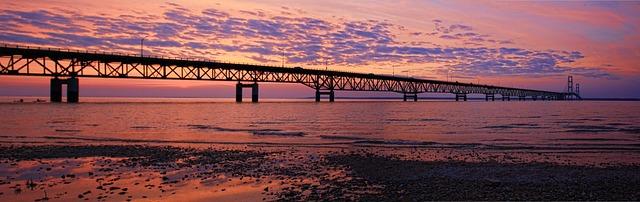
The Tobin Bridge, a critical artery in the region’s transportation network, along with several key pieces of state infrastructure, is undergoing important updates aimed at enhancing safety, efficiency, and capacity. These improvements reflect a strategic investment in the state’s infrastructure, designed to support growing traffic demands and foster long-term economic growth. Authorities emphasize that the renovation projects will minimize disruptions while delivering modernized facilities that meet current and future needs.
Table of Contents
- Tobin Bridge Modernization Enhances Traffic Flow and Safety
- Key Infrastructure Projects Boost Regional Economic Growth
- Innovative Technologies Integrated to Improve Maintenance Efficiency
- Community Engagement Encouraged for Future Infrastructure Planning
- In Summary
Tobin Bridge Modernization Enhances Traffic Flow and Safety
Recent modernization efforts on the Tobin Bridge have introduced critical upgrades aimed at streamlining traffic and bolstering safety measures for daily commuters. These improvements include the installation of advanced traffic monitoring systems and state-of-the-art barrier technology designed to reduce accident risks and minimize congestion during peak hours. Officials report that these enhancements facilitate smoother vehicle flow, resulting in noticeable reductions in commute times for thousands of drivers each day.
Key features of the modernization include:
- Implementation of smart traffic signal coordination
- Reinforced guardrails and improved lighting for enhanced visibility
- Expanded lane markings to guide drivers more effectively
- Upgraded emergency response protocols integrated with digital alert systems
These targeted actions not only improve the overall driving experience but also set a precedent for infrastructure initiatives statewide, emphasizing safety-driven technology and responsive traffic management.
Key Infrastructure Projects Boost Regional Economic Growth
The recent enhancements to the Tobin Bridge, alongside a series of state infrastructure projects, are set to accelerate economic vitality across the region. These upgrades not only improve transportation efficiency but also foster stronger connections between key commercial hubs. By reducing travel time and increasing safety, the investments are expected to attract new businesses and stimulate local job creation, solidifying the area’s position as an economic powerhouse.
Key elements contributing to this growth include:
- Expanded roadway capacity and modernized toll systems on the Tobin Bridge
- Upgraded transit facilities reducing congestion and improving commuter experience
- Enhanced freight routes supporting supply chain resiliency
- Strategic public-private partnerships driving sustainable infrastructure progress
These infrastructure improvements represent a commitment to long-term regional prosperity, providing the foundation for increased investment and innovation. State officials emphasize that continued focus on such projects will foster an environment conducive to economic expansion while addressing the evolving needs of communities and industries alike.
Innovative Technologies Integrated to Improve Maintenance Efficiency
The recent updates to the Tobin Bridge and key state infrastructure have incorporated cutting-edge technologies to enhance maintenance efficiency and extend asset lifespan. Central to these innovations is the deployment of advanced predictive maintenance tools that utilize real-time data analytics and Internet of Things (IoT) sensors. These smart sensors continuously monitor structural health indicators such as stress, vibration, and corrosion, enabling maintenance teams to anticipate potential failures before they disrupt operations. Additionally,integration with centralized asset management systems ensures rapid response and streamlined workflows,significantly reducing downtime.
Key features of the updated maintenance approach include:
- Automated failure rate calculations leveraging constant failure rate models to optimize inspection intervals and resource allocation
- Remote diagnostics platforms powered by AI for early detection of anomalies and efficient prioritization of repairs
- Use of sophisticated CMMS (Computerized Maintenance Management Systems) for thorough tracking of maintenance metrics, improving transparency and accountability
- Enhanced communication networks that facilitate real-time coordination between field crews and control centers, accelerating decision-making processes
These advancements collectively embody a proactive maintenance culture, shifting away from reactive repairs toward a predictive model that maximizes uptime and reduces long-term costs for critical transportation infrastructure.
Community Engagement Encouraged for Future Infrastructure Planning
State officials have emphasized the vital role of public participation as infrastructure projects move forward, advocating for a collaborative approach that integrates community insights into planning and execution.This strategy aims to build stronger transparency and accountability while ensuring that the upgrades align with the needs and values of the communities affected. Open forums,stakeholder meetings,and digital platforms are being deployed to foster ongoing dialogue and gather diverse perspectives.
Key elements of this engagement include:
- Two-way communication channels that allow feedback and promote understanding.
- Inclusive involvement of residents, business owners, and local organizations.
- Commitment to addressing community concerns proactively to enhance project outcomes.
In Summary
As the Tobin Bridge and other critical state infrastructure receive much-needed updates, these improvements promise to enhance safety, efficiency, and connectivity for countless commuters and residents. Continued investment in maintaining and modernizing vital transportation assets ensures the region remains prepared to meet present and future demands. Stakeholders and travelers alike will be watching closely as these projects progress,marking a significant step forward in the state’s commitment to infrastructure resilience and progress.