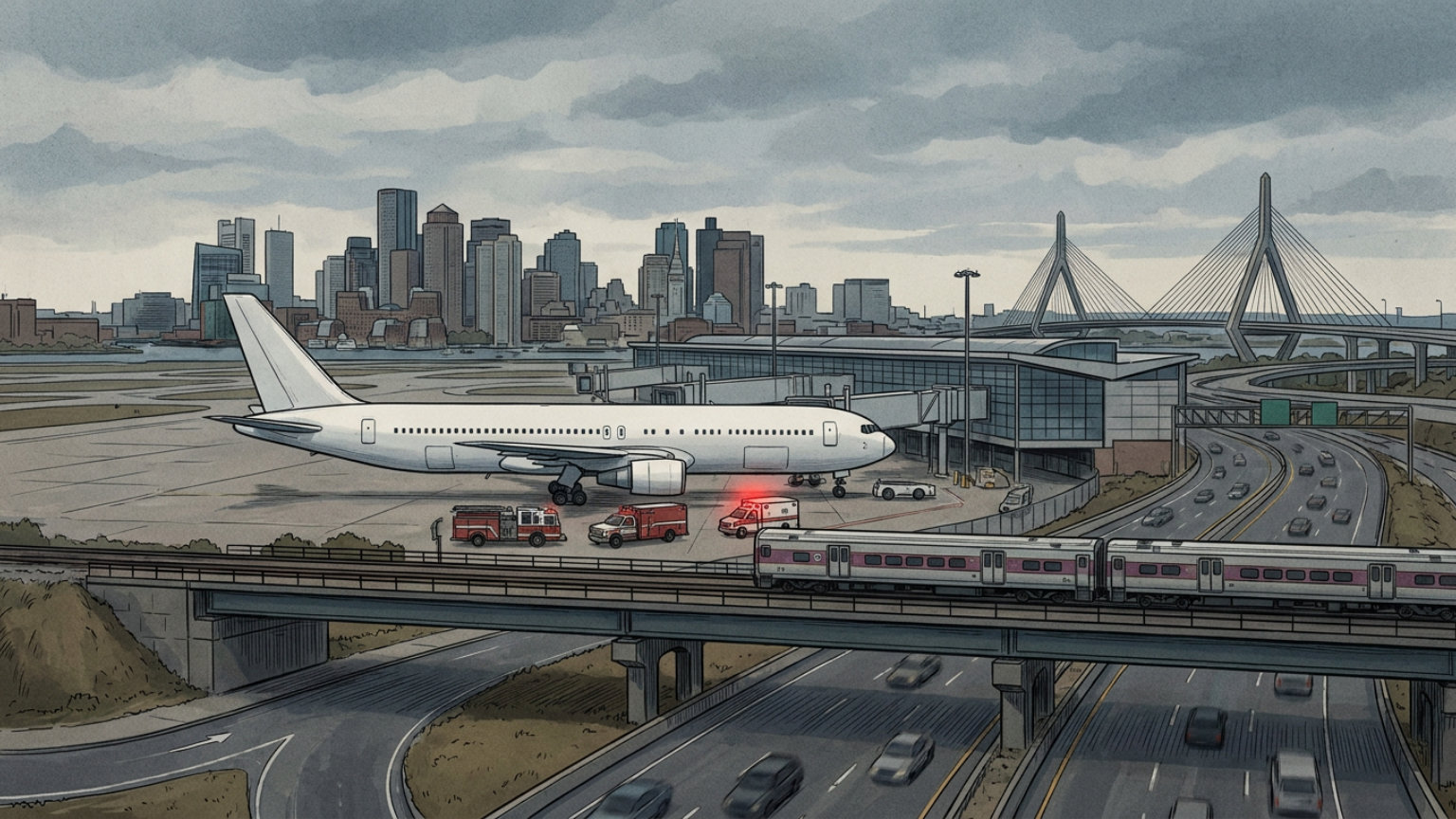
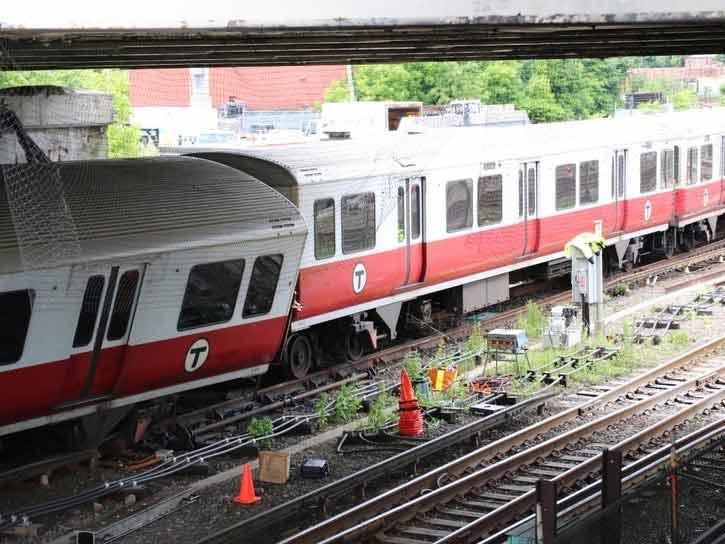
The Massachusetts Bay Transportation Authority (MBTA) is currently facing notable challenges that are impacting the flow of its commuter rail services. Safety concerns across key sections of the network have prompted the implementation of multiple slow zones, resulting in slower travel times and operational delays. These precautionary measures, while essential for passenger and worker safety, are disrupting schedules and raising questions about the long-term effects on service reliability.As commuters experience extended journey times, stakeholders are calling for a closer examination of infrastructure conditions and accelerated maintenance efforts to restore smooth and efficient transit operations.
Table of Contents
- Safety Hazards Prompt Increased Slow Zones on MBTA Routes
- Impact of Reduced Speeds on Commuter Efficiency and Scheduling
- Community Feedback Highlights Need for Balanced Safety Measures
- Recommendations for Enhancing Safety Without Compromising Service Flow
- In Summary
Safety Hazards Prompt Increased Slow Zones on MBTA Routes
Over the past several months, the Massachusetts Bay Transportation Authority has implemented a growing number of slow zones across various commuter rail and subway lines, driven by mounting safety concerns. These areas, often marked by deteriorating track conditions, signal malfunctions, or structural weaknesses, compel operators to reduce train speeds significantly. While these measures are critical to safeguarding passengers and crew, they have inadvertently contributed to delays and decreased schedule reliability, challenging the MBTA’s capacity to maintain efficient service flow.
Key factors prompting the enforcement of slow zones include:
- Aging infrastructure requiring urgent maintenance
- Increased wear and tear on tracks due to heavy usage
- Heightened risk assessments following recent safety inspections
As the MBTA navigates these challenges, ongoing communication with riders and strategic investment in infrastructure upgrades remain essential.Officials emphasize that while slow zones disrupt normal operations, prioritizing safety is paramount to preventing accidents and ensuring long-term reliability across the system.
Impact of Reduced Speeds on Commuter Efficiency and Scheduling
Reduced speeds through slow zones have significantly disrupted MBTA’s commuter rail schedules, leading to cascading delays system-wide. Many key routes experience frequent speed restrictions due to ongoing safety inspections and infrastructure maintenance. These measures, while crucial for passenger safety, cut transit times sharply, resulting in longer wait periods for commuters and less reliable service across peak hours. The unpredictability induced by slow zones challenges the MBTA’s ability to maintain its standard headways, forcing operators to revise timetables that often fail to meet rider expectations.
The operational impact extends beyond just arrival and departure delays, compromising overall scheduling fluidity and commuter efficiency. Passengers face:
- Extended travel times disrupting daily routines
- Increased likelihood of missed connections and subsequent delays
- Difficulty in planning trips due to inconsistent train timings
MBTA management is actively assessing options to mitigate these issues, including targeted track upgrades and enhanced communication strategies, aiming to restore speed and punctuality without compromising safety standards.
Community Feedback Highlights Need for Balanced Safety Measures
Voices from across the MBTA user base emphasize the critical importance of adopting safety protocols that do not disproportionately disrupt daily commutes. Commuters, local businesses, and transit workers alike expressed a shared desire for solutions that address safety without unnecessarily extending travel times. Many highlighted the consequences of prolonged slow zones-including increased delays and cascading schedule disruptions-that complicate efforts to maintain reliable service. Feedback reveals a call for more targeted inspections and faster repair turnarounds to minimize the operational impact without compromising rider protection.
Suggestions from the community reflect a growing consensus around balanced approaches that integrate:
- Enhanced technology to monitor track conditions in real time
- Improved communication channels for timely updates on service changes
- Strategic prioritization of critical maintenance that prevents extended slow zones
- Engagement opportunities allowing riders to provide ongoing input on service adjustments
This feedback underscores an urgent need for the MBTA to harmonize safety ambitions with operational efficiency, ensuring commuter confidence while maintaining acceptable travel times.
Recommendations for Enhancing Safety Without Compromising Service Flow
To address ongoing safety challenges without compromising MBTA’s operational efficiency, targeted infrastructure upgrades combined with advanced technology should be prioritized. Implementing predictive maintenance systems can detect track deterioration or signaling issues before they necessitate slow zones, effectively minimizing service delays. Additionally, deploying real-time monitoring tools at critical points will allow rapid response to emerging safety concerns, helping to maintain fluid service flow during peak travel hours.
Enhancing staff training programs focused on safety protocols and emergency preparedness will empower frontline workers to manage risks proactively. A multifaceted approach could include:
- Upgrading outdated track segments with modern materials designed for higher-speed transit.
- Integrating automated speed regulation systems to ensure compliance without imposing excessive slowdowns.
- Collaborating with local agencies to improve signage clarity and enforce speed restrictions effectively.
Such measures harmonize safety and operational demands, safeguarding passengers while sustaining the MBTA’s commitment to timely and reliable service.
In Summary
As the MBTA continues to address these safety concerns and manage the impact of numerous slow zones, commuters can expect ongoing service challenges in the near term. While improving infrastructure and ensuring passenger safety remain top priorities, finding a balance between operational efficiency and caution will be critical to restoring smoother service flow across the network. Riders are advised to stay informed of updates as the MBTA works toward long-term solutions to enhance reliability and safety on its lines.