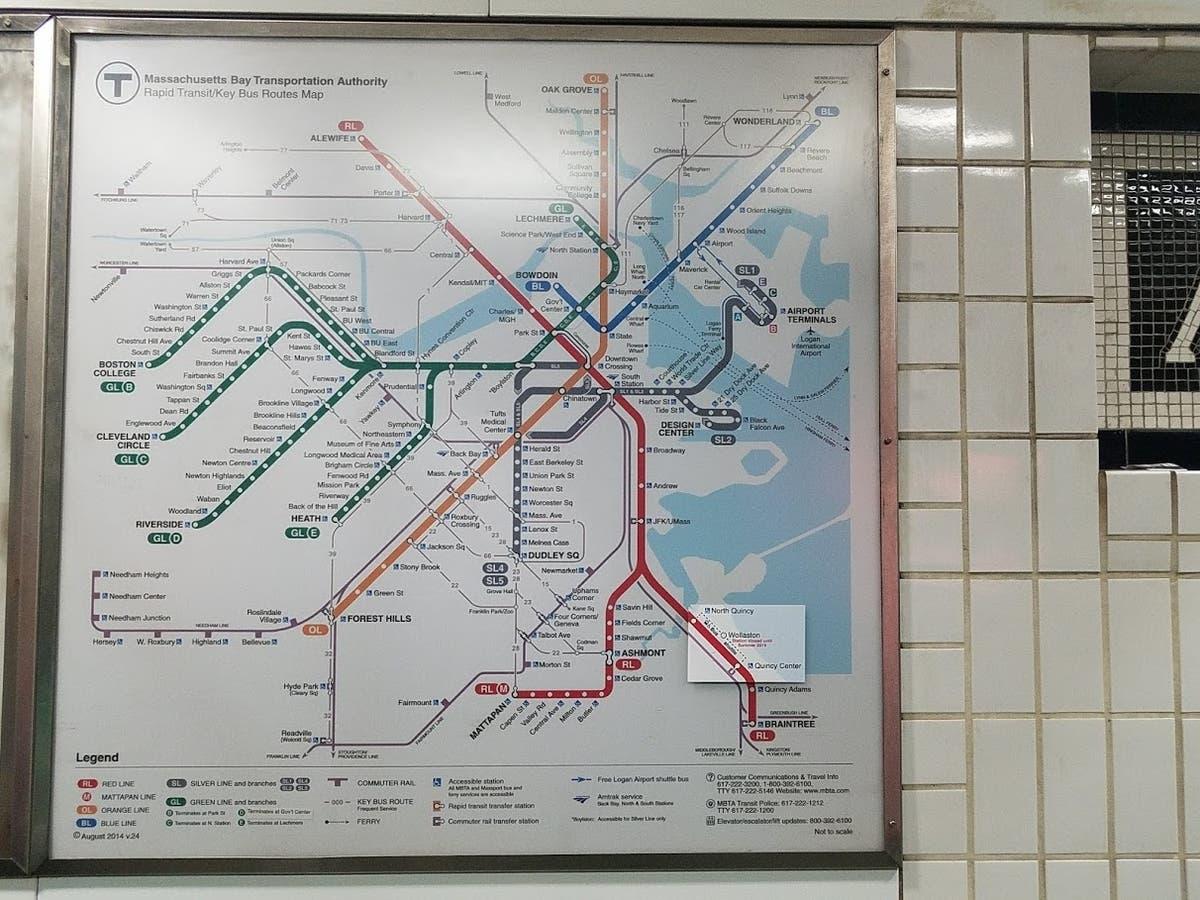
The study on the Red-Blue Line Connector has reached a pivotal milestone, with recent progress shedding new light on the potential benefits and challenges of the project. Stakeholders and commuters alike are closely monitoring developments as the extensive analysis advances, aiming to streamline transit connectivity and improve overall service efficiency. This progress report provides an in-depth update on what has been accomplished,obstacles encountered,and the next steps mapped out for the project’s successful completion.
Table of Contents
- Progress Overview of Red-Blue Line Connector Study
- Key Findings Unveil Ridership Potential and Economic Benefits
- Community Feedback Shapes Route Optimization Proposals
- Recommended Next Steps for Infrastructure and Funding
- In Retrospect
Progress Overview of Red-Blue Line Connector Study
The study on the Red-Blue Line Connector has reached significant milestones this quarter, marking a decisive step forward in urban transit planning. Detailed assessments of proposed routes have been completed, focusing on optimizing travel time and improving connectivity for daily commuters. Project leaders have closely examined environmental impacts and community feedback, ensuring that the proposed solution aligns with sustainability goals and local needs. Key technical evaluations have also been finalized, including infrastructure feasibility and budget forecasts.
Notable achievements include:
- Completion of preliminary engineering analyses
- Community engagement sessions with over 1,000 participants
- Integration of advanced modeling to forecast traffic and ridership patterns
- Identification of potential funding sources and partnerships
Next phases will involve deeper design work and regulatory reviews, with continued emphasis on transparency and stakeholder collaboration. The project team remains committed to delivering actionable insights and practical recommendations to enhance transit efficiency in the region.
Key Findings Unveil Ridership Potential and Economic Benefits
The latest analysis highlights a significant surge in projected ridership once the Red-Blue Line Connector becomes operational. Forecasts estimate a 20-30% increase in daily commuters utilizing the streamlined transit option, enhancing connectivity across critical urban hubs. This uptick is attributed to reduced transfer times and expanded access to previously underserved neighborhoods, positioning the connector as a transformative infrastructure addition. Community feedback underscores strong public enthusiasm, underscoring the connector’s anticipated role in revitalizing local transit patterns.
Beyond transportation benefits, the study identifies robust economic implications tied to the project. Anticipated outcomes include:
- Boosted local business revenues due to increased foot traffic around new and existing transit stations.
- Job creation during both the construction phase and subsequent commercial progress opportunities.
- Elevated property values in adjacent areas, facilitating broader economic uplift.
These findings emphasize the connector’s potential to not only improve mobility but also to serve as a catalyst for sustainable economic growth across the metropolitan region.
Community Feedback Shapes Route Optimization Proposals
Community insights have played a pivotal role in refining the Red-Blue Line Connector proposals, with planners actively integrating public comments to enhance route efficiency and accessibility. Input collected through a series of town halls, surveys, and online forums highlighted key priorities such as reducing transfer times, increasing frequency during peak hours, and ensuring better connectivity to underserved neighborhoods. These recurring themes have driven adjustments that aim not only to streamline travel but also to respect the unique transit needs voiced by riders.
- Improved corridor coverage targeting high-demand stations identified by residents
- Enhanced synchronization between connecting lines to minimize wait times
- Incorporation of accessibility features based on feedback from disability advocacy groups
- Commitment to green transit solutions reflecting community sustainability goals
Planning officials emphasize that ongoing dialog remains critical as the study moves forward, promising further adjustments that reflect community experiences and priorities. This iterative approach aims to foster transparency and build public trust by demonstrating responsiveness to lived realities and everyday commuting challenges.
Recommended Next Steps for Infrastructure and Funding
The study’s findings emphasize the need for prioritized investment in critical infrastructure upgrades to ensure project viability and long-term operational efficiency.Key areas highlighted include modernizing track systems, enhancing signaling technology, and expanding station capacities to accommodate increased ridership.Stakeholders are urged to focus on securing capital through a combination of federal grants, state funding, and innovative public-private partnerships. This diversified funding approach is essential to mitigate financial risks and accelerate construction timelines.
Next steps recommended include:
- Conducting detailed engineering assessments to refine cost estimates and timelines
- Launching targeted community engagement initiatives to build local support
- Pursuing phased funding applications aligned with project milestones
- Exploring alternative financing models such as infrastructure bonds and transit-oriented development incentives
By adopting a comprehensive funding strategy paired with phased infrastructure improvements, the Red-Blue Line Connector is positioned to move forward with greater confidence. This approach aims to balance fiscal responsibility with the urgent need for enhanced transit connectivity, ultimately delivering a transformative transportation link for the region.
In Retrospect
As the Red-Blue Line Connector study moves forward, stakeholders and commuters alike remain eager to see how the project will transform transit connectivity and efficiency. With continued analysis and community input, the study promises to lay the groundwork for a vital infrastructure enhancement. Updates on key milestones and findings will be closely monitored as the initiative advances toward future development stages.