
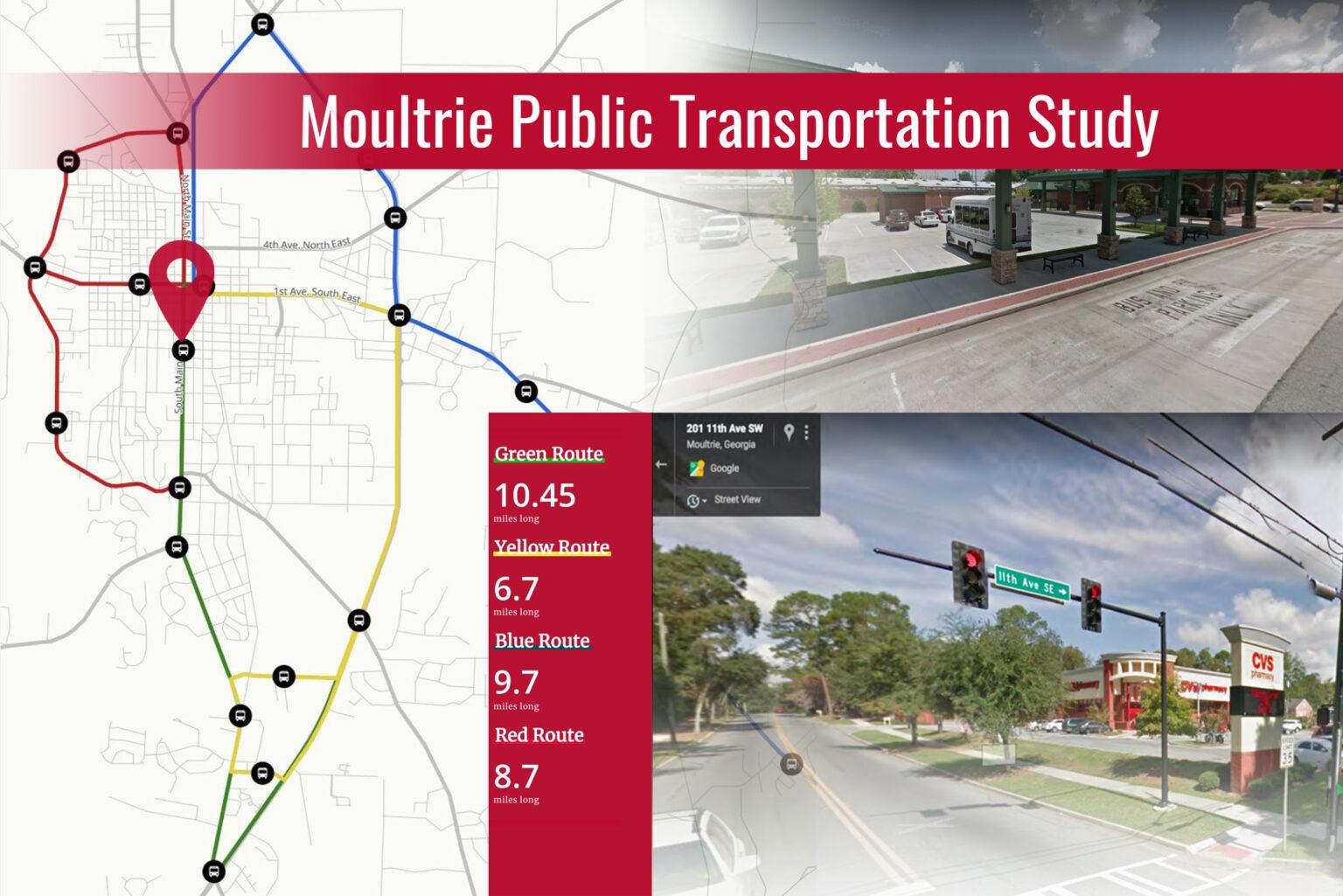
Significant progress has been made in the ongoing study exploring the advancement of a connector between the Red and Blue metro lines, aiming to enhance urban transit connectivity. Officials and planners have reported advances in feasibility assessments, community engagement, and technical evaluations, marking a crucial step forward in streamlining commuter travel and reducing transit times across key metropolitan corridors. This study underlines a major effort to improve public transportation infrastructure and meet growing demand for efficient, integrated transit options.
Table of Contents
- Progress Highlights in Red-Blue Line Connector Feasibility Assessment
- Key Engineering Challenges Addressed with Innovative Solutions
- Community Impact and Feedback Shape Design Adjustments
- Recommended Next Steps for Accelerated Project Implementation
- Final Thoughts
Progress Highlights in Red-Blue Line Connector Feasibility Assessment
The feasibility study for the Red-Blue Line Connector has reached several key milestones, signaling promising developments. Technical evaluations have confirmed that integrating both lines within the existing infrastructure is achievable with minimal disruption to current services. Advanced modeling tools were employed to simulate passenger flows and projected demand, ensuring that operational capacity will meet future needs efficiently.
Notable progress includes:
- Completion of preliminary environmental impact assessments.
- Identification of cost-effective construction methodologies.
- Stakeholder engagement sessions providing valuable community feedback.
- Refinement of alignment options optimizing travel times.
With these advancements, project leaders remain optimistic about transitioning into detailed design and funding phases. The ongoing work continues to prioritize sustainability, connectivity, and transit accessibility, setting a strong foundation for this transformative urban transit link.
Key Engineering Challenges Addressed with Innovative Solutions
Engineering hurdles such as complex urban integration, sustainability demands, and advanced materials selection are being met head-on through cutting-edge solutions. Project teams have leveraged smart modeling technologies and modular construction techniques to minimize disruption and optimize timelines.These innovations enable seamless alignment of the Red-Blue Line Connector within densely populated areas, ensuring environmental and community impacts are mitigated while maintaining rigorous safety standards.
To tackle infrastructure resilience and capacity challenges, engineers are implementing adaptive design frameworks and novel corrosion-resistant materials, extending the project’s lifespan under evolving climatic conditions. Additionally, sustainable energy management systems are integrated to promote efficiency and reduce the carbon footprint. The combination of these inventive approaches exemplifies the engineering sector’s commitment to overcoming tomorrow’s challenges with practical, forward-thinking strategies.
- Smart Building Data Modeling (BIM) to enhance project visualization and coordination
- Modular assembly methods to expedite construction while controlling costs
- Advanced materials ensuring longevity and durability amid harsh urban environments
- Energy-efficient systems aligning infrastructure with sustainability goals
Community Impact and Feedback Shape Design Adjustments
Residents and local stakeholders have played an instrumental role in refining the connector’s design through a series of public forums and feedback sessions.Their insights highlighted critical priorities such as minimizing environmental impact, improving accessibility, and integrating community spaces around key transit nodes. As an inevitable result, planners have revised station layouts to enhance pedestrian flow and incorporated green buffers to preserve neighborhood aesthetics while promoting sustainable development.
Key design modifications influenced by community input include:
- Expanded bicycle and pedestrian pathways to support multimodal transit options
- Enhanced noise mitigation measures near residential areas
- Increased connectivity with existing bus systems to streamline transfers
- Addition of community art installations to reflect local culture and history
These adjustments reflect a commitment to balancing efficient transportation with the unique character of the affected neighborhoods, ensuring the connector project advances with community values front and centre.
Recommended Next Steps for Accelerated Project Implementation
To fast-track the Red-Blue Line Connector project, stakeholders are urged to prioritize streamlining inter-agency coordination and securing immediate funding commitments. Establishing a dedicated task force to oversee cross-departmental collaboration will minimize bureaucratic delays and keep the project on schedule. Additionally, accelerating the procurement process by pre-qualifying contractors and suppliers can remove common bottlenecks, ensuring construction phases begin without disruption.
Key tactical moves include:
- Implementing advanced project management tools to continuously monitor milestones and quickly address emerging challenges.
- Engaging local communities and transit users early to gather input and maintain public support.
- Enhancing data sharing protocols among engineering teams and planners to improve decision-making speed and accuracy.
By focusing on these critical actions, the project stands to gain momentum and deliver tangible progress ahead of anticipated timelines, reaffirming commitment to an efficient and connected transit future.
Final Thoughts
As the study on the Red-Blue Line Connector continues to move forward,stakeholders and commuters alike remain hopeful that the envisioned improvements will soon enhance transit connectivity and efficiency. With ongoing analysis and community input shaping the project’s next steps,the coming months will be crucial in turning plans into actionable solutions. Stay tuned for further updates as progress advances on this pivotal transit initiative.