
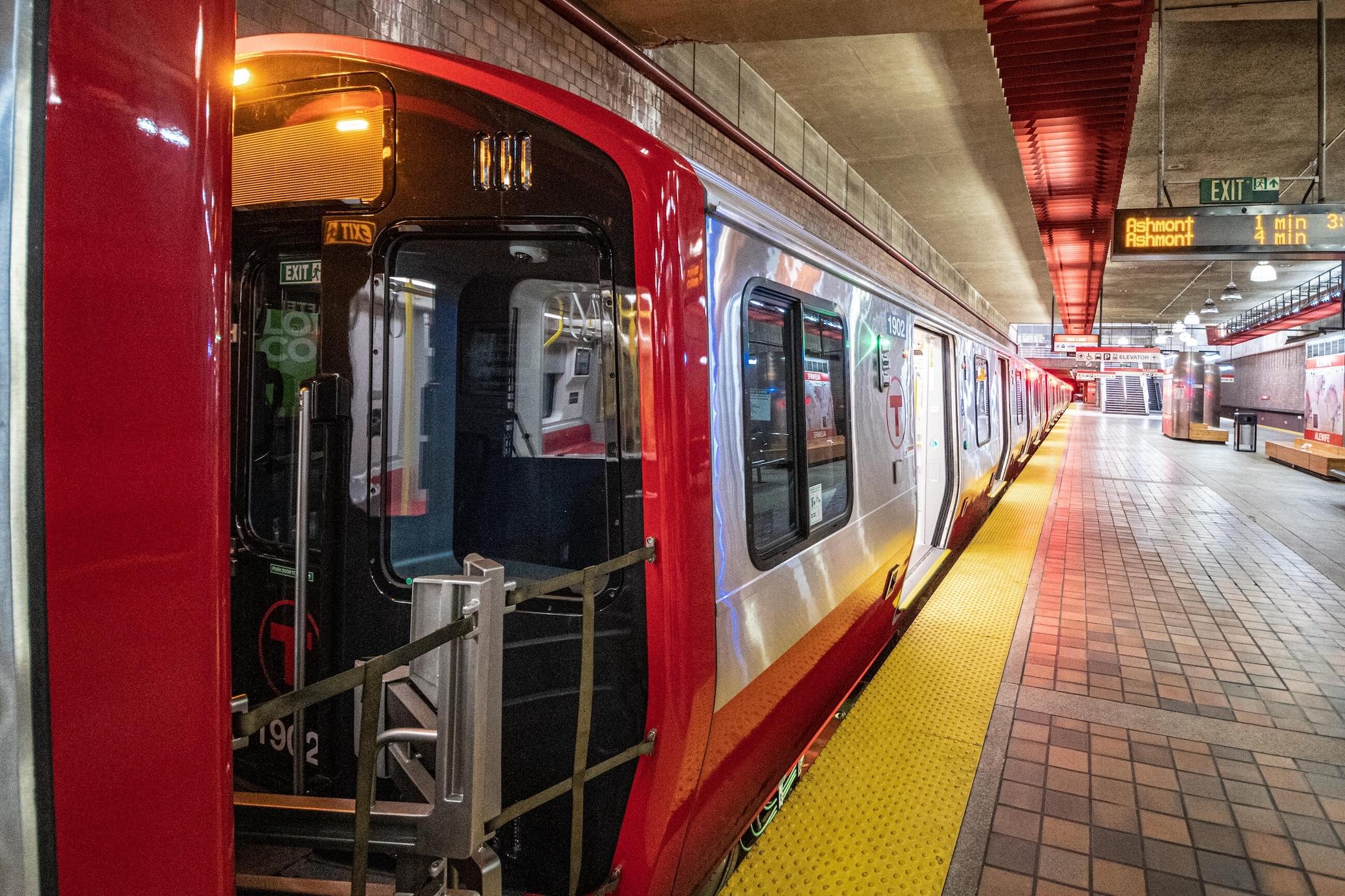
The Massachusetts Bay Transportation Authority (MBTA) has announced its latest initiative to modernize Boston’s transit system with the unveiling of plans for new Red and Orange Line trains. This move aims to enhance the reliability, capacity, and overall rider experience on two of the MBTA’s busiest subway lines. As Boston’s public transportation network continues to evolve, the introduction of these state-of-the-art trains marks a significant step forward in addressing growing commuter demands and advancing regional mobility.
Table of Contents
- MBTA Introduces State-of-the-Art Features in New Red and Orange Line Trains
- Enhanced Accessibility and Passenger Comfort Take Center Stage in Modernized Fleet
- Operational Efficiency and Environmental Impact are Key Goals for New Train Designs
- Experts Recommend Continued Investment in Infrastructure to Maximize Benefits
- Insights and Conclusions
MBTA Introduces State-of-the-Art Features in New Red and Orange Line Trains
The Massachusetts Bay Transportation Authority (MBTA) is launching its most advanced fleet to date with the latest Red and Orange Line trains, designed to significantly enhance rider experience and operational efficiency. These sleek, modern trains boast cutting-edge technology that promises smoother commutes and improved access for all passengers. Key features include:
- Real-time digital displays providing live arrival times and service updates
- Energy-efficient LED lighting that adapts to natural light conditions
- Improved HVAC systems for better climate control across all seasons
- Enhanced accessibility options, including wider doors and dedicated spaces for mobility devices
Beyond passenger comfort, the new trains incorporate state-of-the-art safety mechanisms and eco-friendly innovations aimed at reducing the subway system’s carbon footprint. The MBTA is also using durable, lightweight materials to increase train longevity and reduce maintenance downtime, ensuring more reliable service schedules for thousands of daily riders. These upgrades mark a significant step forward in the MBTA’s commitment to sustainability and modernization.
Enhanced Accessibility and Passenger Comfort Take Center Stage in Modernized Fleet
The new fleet adopted by the MBTA marks a significant leap forward in inclusivity, ensuring all passengers can travel with ease and dignity. Each train is designed with wider aisles and low-floor boarding, allowing seamless access for wheelchair users and those with mobility impairments. Audio and visual announcement systems have been upgraded to provide clear, real-time updates, benefiting riders who are deaf, hard of hearing, or visually impaired. These thoughtful modifications demonstrate a comprehensive commitment to breaking down barriers within public transportation.
Passenger comfort has also been elevated to a new standard, with features aimed at improving everyday commutes. The trains boast:
- Ergonomically designed seating with enhanced cushioning for longer journeys
- Ample handrails and strategically placed grab bars for safety during transit
- Advanced climate control systems to maintain a consistent and pleasant interior temperature year-round
- Improved lighting that balances brightness with ambiance, reducing fatigue during early morning and late evening rides
By integrating these improvements, the MBTA is not only investing in technology but in the overall experience of every rider, making public transportation a more welcoming and comfortable choice for all.
Operational Efficiency and Environmental Impact are Key Goals for New Train Designs
The new train designs prioritize operational efficiency through state-of-the-art propulsion systems and energy management technologies. By incorporating regenerative braking and lightweight materials, the MBTA aims to reduce energy consumption and maintenance costs significantly. These enhancements not only improve the trains’ performance but also ensure a smoother and more reliable experience for daily commuters across the Red and Orange Lines.
Environmental considerations have also taken center stage in the development process. The MBTA is committed to minimizing the carbon footprint of its fleet by implementing:
- Advanced energy recovery technologies
- Eco-friendly manufacturing materials
- Reduced noise pollution through improved engineering
- Enhanced air filtration systems to promote cleaner air quality onboard
These efforts align with broader citywide sustainability goals, positioning the MBTA as a leader in green public transit solutions.
Experts Recommend Continued Investment in Infrastructure to Maximize Benefits
Industry specialists stress that the unveiling of new Red and Orange Line trains is just the first step in a broader vision to enhance Boston’s transit infrastructure. Sustained funding and strategic upgrades to rail networks, signaling systems, and station facilities are imperative to fully leverage the benefits of these modern trains. Without continuous investment, the potential to improve service frequency, reliability, and passenger experience could fall short of expectations.
Key recommendations from transit experts include:
- Expansion of maintenance facilities to support the new fleet’s advanced technology.
- Integration of cutting-edge safety and communication systems along the entire route.
- Focus on accessibility improvements to accommodate all riders.
- Allocation of resources for workforce training to manage and operate the upgraded equipment effectively.
Stakeholders agree that these efforts will not only amplify the immediate enhancements brought by the trains but also future-proof the system against rising commuter demands and evolving urban transit challenges.
Insights and Conclusions
As the MBTA moves forward with the introduction of new Red and Orange Line trains, riders can anticipate significant improvements in comfort, reliability, and overall transit experience. These updates mark a critical step in modernizing Boston’s public transportation infrastructure, aiming to better meet the needs of a growing urban population. Implementation timelines and further details will continue to emerge in the coming months, as the MBTA works to deliver on its commitment to a more efficient and accessible transit system for all.