
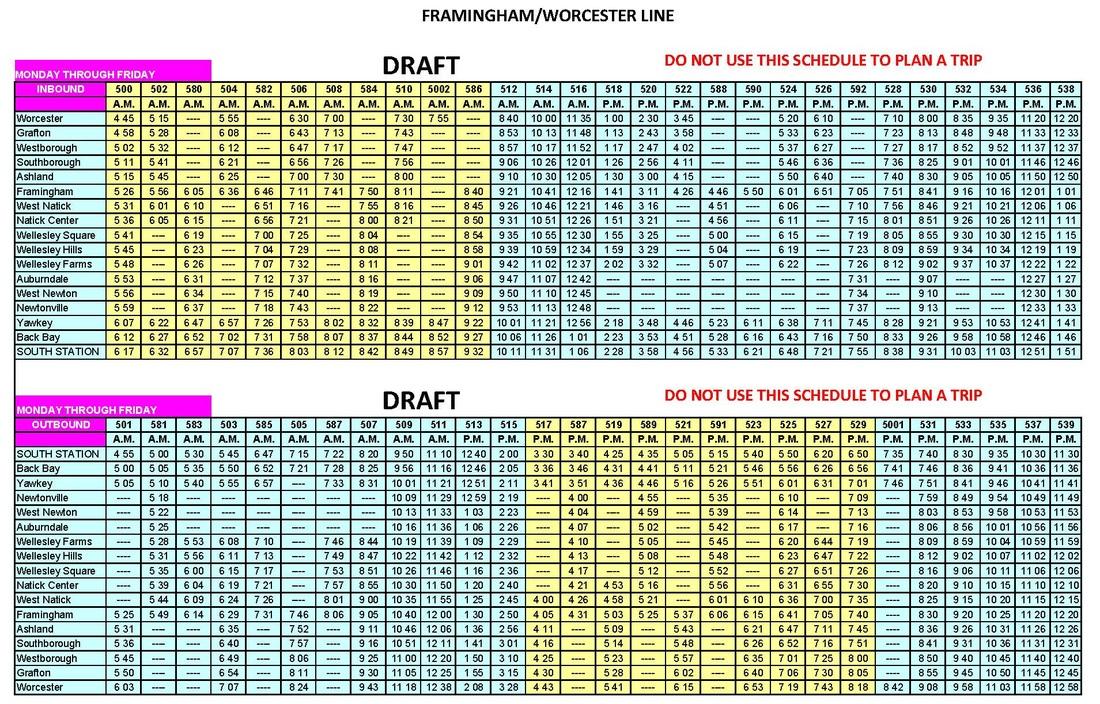
The Massachusetts Bay Transportation Authority (MBTA) and its operator Keolis have announced upcoming schedule changes affecting four of the region’s key commuter rail lines. The adjustments aim to improve service reliability and better align with passenger demand, as the agencies respond to evolving travel patterns. Commuters are advised to review the updated timetables carefully to plan their journeys accordingly.
Table of Contents
- MBTA and Keolis Implement New Timetables to Improve Service Reliability
- Commuter Impact and Adjusted Departure Times on Four Key Lines
- Analyzing the Reasons Behind the Recent Schedule Modifications
- Tips for Navigating the Updated MBTA Commute Efficiently
- In Summary
MBTA and Keolis Implement New Timetables to Improve Service Reliability
Effective immediately, MBTA and Keolis have rolled out updated timetables across four key commuter rail lines to enhance punctuality and operational efficiency. The revised schedules have been carefully designed to address persistent delays and improve coordination with connecting services, aiming to provide riders with a more reliable daily commute.Key modifications include adjusted departure times during peak hours and increased buffer times between trains to reduce cascading delays.
The agencies highlight several targeted improvements, including:
- More consistent intervals between trains to stabilize service frequency.
- Streamlined connections to support seamless transfers at major hubs.
- Optimized trip durations to better reflect real-world operating conditions.
Travelers are encouraged to review the new schedules ahead of their next trip,as some departure and arrival times have shifted noticeably. MBTA and Keolis commit to ongoing monitoring and adjustments based on real-time data and rider feedback to continually refine service reliability.
Commuter Impact and Adjusted Departure Times on Four Key Lines
The recent adjustments by MBTA and Keolis will directly affect thousands of daily commuters on four major lines, prompting changes that aim to improve overall service reliability while managing peak-hour congestion. Riders on these lines should prepare for a shift in departure times, with some early morning and late evening trains now operating on altered schedules to optimize track allocation and reduce delays. The impact is expected to be most palpable during rush hours, where slight modifications in train frequency and timing could reshape typical travel patterns.
Key changes include:
- Earlier departures on select trains to better accommodate inbound passengers toward downtown Boston
- Additional buffer times introduced between scheduled runs to minimize ripple effects from service interruptions
- Adjustments to weekend services to reflect updated demand forecasts, balancing efficiency with rider needs
MBTA and Keolis emphasize that these changes are designed with a long-term vision to enhance commuter experience by maintaining punctuality and safety standards. Riders are encouraged to check updated timetables and plan trips accordingly to mitigate any inconvenience during the transition period.
Analyzing the Reasons Behind the Recent Schedule Modifications
The recent timetable adjustments come as a strategic response to evolving commuter patterns and operational challenges experienced by MBTA and Keolis. Shifts in ridership trends post-pandemic have prompted a thorough reassessment of peak and off-peak service allocation, aiming to maximize efficiency without compromising passenger convenience. Additionally, infrastructure upgrades and ongoing maintenance projects necessitate temporary modifications to ensure safety and minimize disruptions across the affected lines.
Key factors driving these changes include:
- Increased passenger demand during specific weekday intervals, requiring schedule realignments.
- Enhanced coordination between MBTA and Keolis to streamline train dispatch and crew assignments.
- Adaptation to new operational constraints linked to equipment availability and track access.
- The commitment to improving overall service reliability and reducing delays.
Tips for Navigating the Updated MBTA Commute Efficiently
With the recent adjustments on four key commuter lines, staying ahead of the new schedule is crucial to avoid delays. Riders should download the latest MBTA app updates or visit the official website frequently for real-time alerts. Planning trips around the revised departure and arrival times will help maintain punctuality, especially during peak hours when train frequency may fluctuate. Additionally, allowing a buffer time for transfers can prevent missed connections amid the schedule changes.
Commuters are encouraged to consider alternative routes or modes of transport if service disruptions occur unexpectedly. Here are some practical steps to ease your commute:
- Check train status alerts before leaving home or office.
- Utilize commuter rail parking lots closer to your adjusted boarding stations.
- Explore MBTA bus connections as backup options during off-peak hours.
- Stay informed via social media channels for live updates.
In Summary
As the MBTA and Keolis implement these schedule adjustments across four key commuter lines, passengers are encouraged to review the updated timetables and plan their travel accordingly. Continued communication and feedback will be essential to ensure a smooth transition and maintain reliable service for daily commuters. Stay tuned for further updates as the agencies strive to enhance the overall transit experience.