
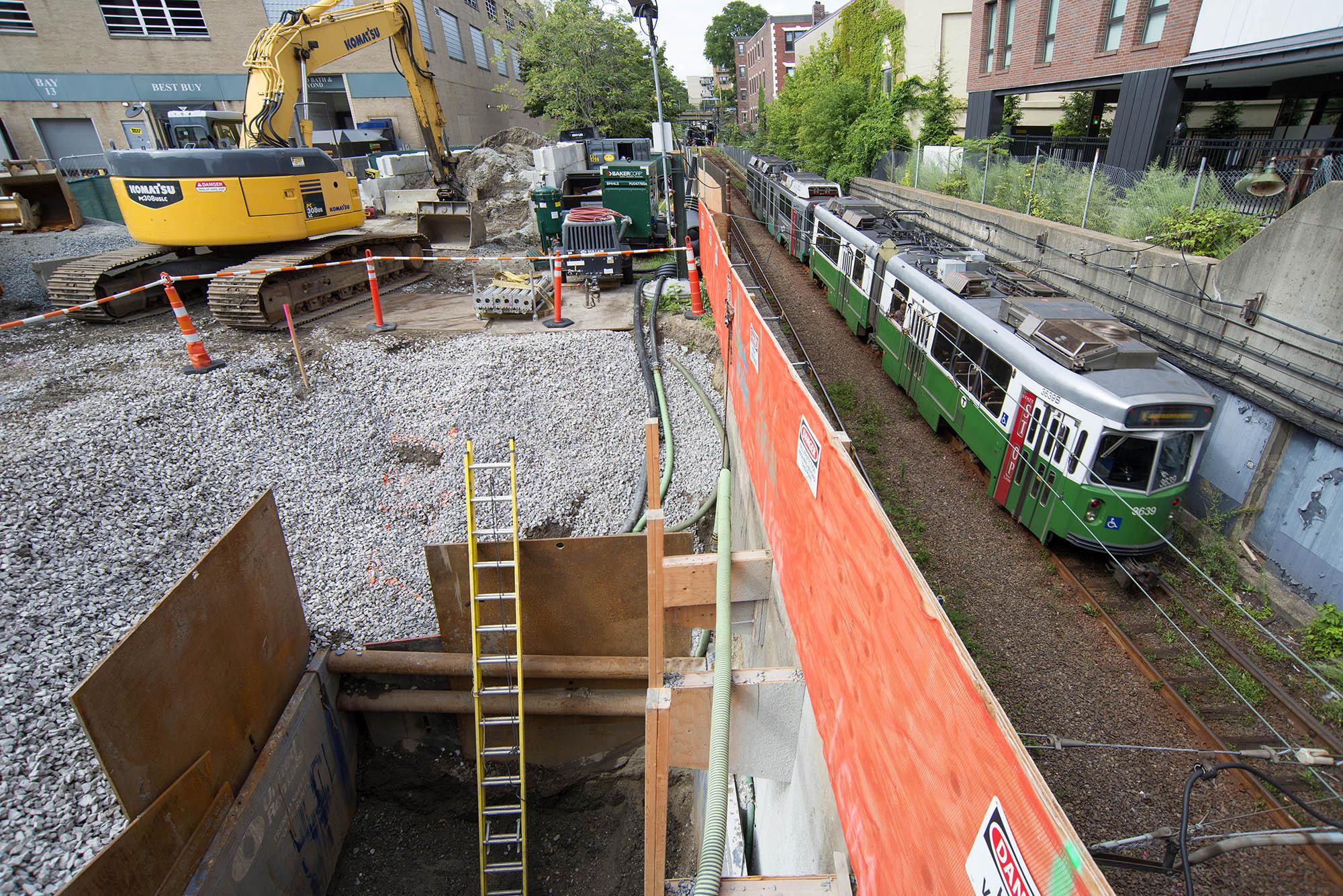
The Massachusetts Bay Transportation Authority (MBTA) has set an ambitious goal to complete a massive backlog of infrastructure and service improvements-originally slated to take five years-within just 30 days. This accelerated timeline aims to minimize disruptions and rapidly enhance commuter rail, light rail, and subway operations across the region. As the MBTA pushes forward with this unprecedented effort, commuters and transit advocates alike watch closely to see if the agency can deliver on its bold promise.
Table of Contents
- MBTA Launches Ambitious Plan to Compress Half a Decade of Maintenance into One Month
- Key Challenges and Risks Facing Accelerated Infrastructure Overhaul
- Innovative Technologies and Strategies Driving Rapid Project Completion
- Expert Recommendations for Ensuring Safety and Service Continuity During Fast-Tracked Work
- Key Takeaways
MBTA Launches Ambitious Plan to Compress Half a Decade of Maintenance into One Month
The Massachusetts Bay Transportation Authority (MBTA) is embarking on an unprecedented maintenance blitz that aims to condense what would normally be five years of routine and critical system upgrades into a single 30-day window. This bold initiative targets extensive track work, signal system overhauls, and infrastructure repairs across several key corridors-especially focusing on the Green Line, a vital artery for Boston’s daily commuters. The project will leverage round-the-clock shifts, cutting-edge technology, and a massively scaled-up workforce to achieve these ambitious goals without compromising safety or operational quality.
Key elements driving this accelerated timeline include:
- Deployment of advanced automated machinery to expedite track replacement and signal updates
- Streamlined coordination with contractors and suppliers to avoid delays typical of staggered projects
- Continuous interaction with riders through updated real-time alerts and alternative transit options
- Enhanced safety protocols to manage the intensified work pace under tight deadlines
By compressing half a decade of maintenance into one intense month, the MBTA hopes not only to minimize long-term service disruptions but also set a new national benchmark for infrastructure revitalization speed and efficiency.
Key Challenges and Risks Facing Accelerated Infrastructure Overhaul
Condensing five years of critical infrastructure upgrades into a mere 30 days places immense pressure on the MBTA and its contractors. Logistical bottlenecks could substantially delay progress, as sourcing and deploying the necessary workforce, materials, and equipment at an accelerated pace challenges even the most streamlined operations. Additionally, accelerated projects risk overlooking essential safety protocols and quality assurance measures, which could jeopardize rider safety and long-term system reliability. The complexity of coordinating multiple overlapping projects further compounds these risks,especially given the MBTA’s commitment to inclusivity and accessibility improvements.
Moreover, budget constraints and funding unpredictability remain considerable hurdles. While Massachusetts has committed historic investments, such as the $8 billion plan over 10 years and the MBTA’s recent $9.8 billion capital plan, compressing extensive work into a short timeframe may lead to cost overruns and resource misallocation. External factors like weather disruptions, supply chain delays, and potential labor disputes add layers of uncertainty. Key concerns include:
- Maintaining operational continuity amidst intense construction phases
- Ensuring contractor accountability and transparency under accelerated deadlines
- Balancing short-term disruptions with long-term infrastructure resilience goals
Innovative Technologies and Strategies Driving Rapid Project Completion
MBTA’s commitment to compressing a five-year overhaul into just 30 days hinges on leveraging cutting-edge technologies and streamlined project management techniques. Central to this effort is the integration of automated monitoring systems and real-time data analytics, which enable teams to anticipate and address issues before they escalate. By utilizing advanced modular construction methods, the MBTA can pre-fabricate components off-site, drastically cutting down on on-site assembly times.These innovations are paired with precision scheduling software that optimizes labor shifts and equipment deployment,ensuring every minute of the limited timeline is maximized for efficiency.
Key strategies accelerating progress include:
- Implementation of text-to-speech technology to improve communication and reduce delays in passenger information systems
- Deployment of predictive maintenance tools that minimize unexpected equipment failures
- Cross-team coordination platforms allowing seamless collaboration across contractors and MBTA staff
- Adoption of environmental sensors that provide continuous feedback to maintain safety and compliance standards
This combination of high-tech tools and strategic management propels the MBTA’s ambitious timeline, setting a new benchmark for rapid, large-scale infrastructure projects in the transit sector.
Expert Recommendations for Ensuring Safety and Service Continuity During Fast-Tracked Work
To guarantee that accelerated construction efforts do not compromise passenger safety or service reliability, experts emphasize a meticulous approach grounded in advanced planning and robust communication strategies. Key recommendations include:
- Thorough risk assessments to identify potential hazards and mitigate them before work begins.
- Deployment of specialized safety personnel trained to oversee fast-tracked projects and enforce rigorous safety protocols continuously.
- Implementation of real-time monitoring systems to track project progress and promptly address emerging issues without disrupting service.
- Clear coordination among contractors, MBTA teams, and local authorities to streamline workflows and minimize downtime.
Maintaining uninterrupted service during such an ambitious timeline also requires adaptive strategies that align maintenance with commuter needs. Experts advocate for flexible scheduling that leverages off-peak hours and weekend windows, combined with transparent public outreach to prepare riders for temporary adjustments. Additionally, enhancing contingency operations ensures fast recovery from unforeseen interruptions, preserving both safety and commuter confidence throughout the compressed construction period.
Key Takeaways
As the MBTA embarks on this unprecedented accelerated timeline, all eyes will be on whether the agency can deliver on its ambitious promise to complete five years’ worth of upgrades and repairs in just 30 days. Success could redefine the future of infrastructure projects amidst growing urban demands, while any setbacks could pose significant challenges for the commuter rail system and its riders. Stay tuned for updates as this pivotal chapter in Boston’s transit history unfolds.