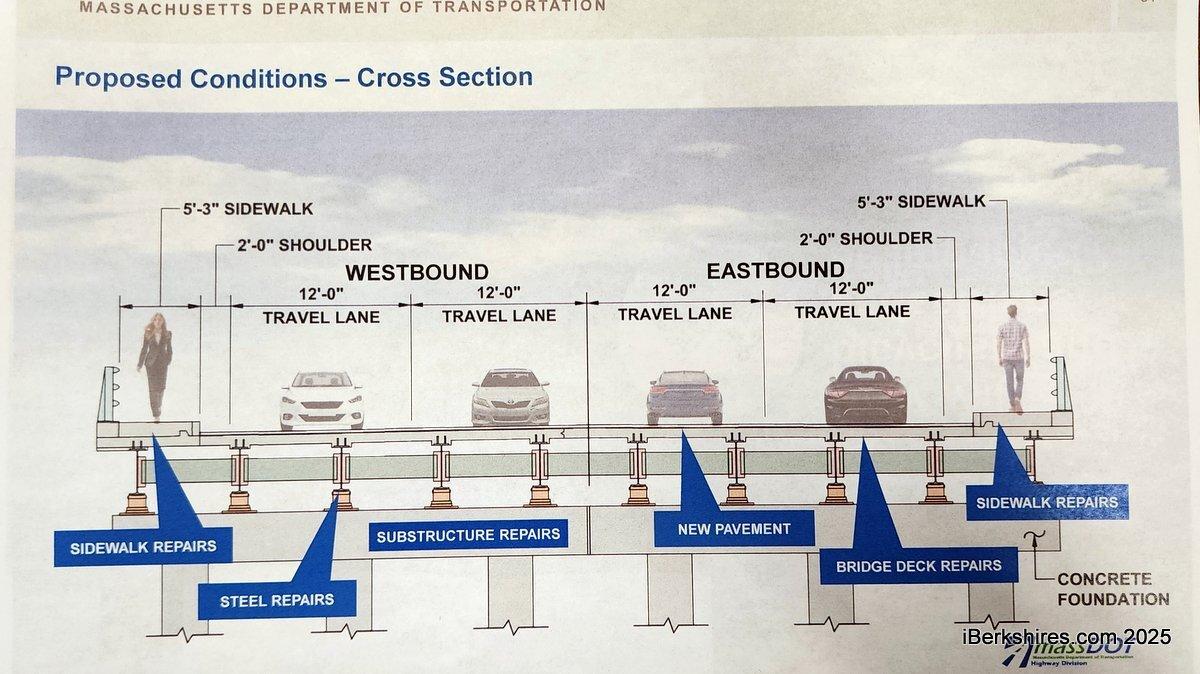
The Massachusetts Department of Transportation (MassDOT) has unveiled an enterprising long-term statewide road maintenance plan aimed at improving infrastructure resilience and enhancing commuter safety across the Commonwealth. The thorough strategy outlines multi-year investments in road repairs, bridge replacements, and modernized transportation systems designed to address growing traffic demands and aging infrastructure. This plan marks a significant step forward in maintaining and upgrading Massachusetts’ extensive roadway network, ensuring it meets the needs of residents and businesses well into the future.
Table of Contents
- MassDOT Outlines Key Priorities for Aging Infrastructure
- Innovative Funding Strategies to Support Sustainable Road Upgrades
- Enhanced Safety Measures and Traffic Flow Improvements Highlighted
- Community Engagement and Environmental Considerations in Planning
- The Way Forward
MassDOT Outlines Key Priorities for Aging Infrastructure
The Massachusetts Department of Transportation (MassDOT) has highlighted several critical focus areas to address the state’s aging transportation infrastructure. Central to its strategy is the modernization and preservation of bridges and roadways, ensuring safety and longevity while minimizing disruptions for commuters. The plan underscores investing in advanced materials and construction techniques designed to extend the life cycles of existing assets. This proactive approach also includes enhanced monitoring systems to detect wear and potential failures long before they become hazards.
- Accelerated repair schedules for structurally deficient bridges
- Prioritization of high-traffic corridors for resurfacing efforts
- Integration of sustainable practices to reduce environmental impact
- Leveraging data-driven assessments for resource allocation
MassDOT’s expanded vision reflects a commitment not only to infrastructure health but also to enhancing the quality of life and economic vitality throughout the Commonwealth. By partnering closely with municipalities and private-sector stakeholders, the agency aims to foster innovative solutions that balance cost-effectiveness with long-term public benefit. The initiative is poised to elevate transportation standards across Massachusetts, positioning the state as a leader in infrastructure resilience and modernization.
Innovative Funding Strategies to Support Sustainable Road Upgrades
MassDOT’s groundbreaking approach to financing road improvements integrates a diverse portfolio of revenue streams designed to maximize sustainability and fiscal responsibility. This includes innovative public-private partnerships that leverage private investment alongside federal and state funds, reducing reliance on traditional gas tax revenues. Additionally, MassDOT is exploring the deployment of user-based fee systems that align charges with actual road usage, promoting fairness and encouraging sustainable travel behaviors.
The plan also highlights strategic reinvestment in advanced materials and green technologies, made possible through targeted grants and green bonds issued exclusively for infrastructure projects with minimal environmental impact.Key funding elements include:
- Public-Private Collaborations: Mobilizing capital and expertise from private sectors to accelerate project timelines and improve innovation.
- User-Based Fees: Implementing mileage-based charges and congestion pricing to generate consistent revenue streams.
- Green Bonds: Leveraging environmentally-focused bonds to finance eco-kind materials and construction methods.
- Targeted Grants: Utilizing federal and state sustainability grants aimed at reducing carbon footprints in road maintenance.
Enhanced Safety Measures and Traffic Flow Improvements Highlighted
MassDOT’s ambitious plan prioritizes the integration of cutting-edge safety features across the Commonwealth’s transportation network. Key initiatives include the installation of advanced traffic signals designed to reduce congestion and improve pedestrian safety, the deployment of high-visibility road markings, and the implementation of state-of-the-art guardrails along critical corridors. These targeted upgrades aim to significantly lower accident rates while enhancing overall traveler confidence on busy routes.
Community-focused improvements will also play a prominent role, featuring enhancements such as:
- Expanded dedicated bike lanes to protect vulnerable road users
- Optimized traffic signal timing to smooth traffic flows during peak hours
- Smart intersection technology for real-time traffic monitoring and management
By addressing both safety and efficiency, MassDOT’s strategy ensures a resilient and responsive road system that accommodates future growth while safeguarding daily commuters across Massachusetts.
Community Engagement and Environmental Considerations in Planning
MassDOT’s new maintenance strategy prioritizes input from local communities to ensure the plan aligns with residents’ needs and values. Through a series of public forums, online surveys, and collaboration with city and town officials, the department is fostering transparent dialog. This participatory approach empowers citizens to voice concerns about traffic flow, road safety, and neighborhood impacts, creating a more inclusive framework that reflects diverse perspectives across the Commonwealth.
Environmental stewardship remains a cornerstone of the plan, with MassDOT embedding sustainable practices into every phase of project progress. Key initiatives include:
- Minimizing construction-related emissions by adopting greener materials and technologies.
- Protecting local ecosystems by implementing runoff controls and wildlife crossings.
- Enhancing stormwater management to prevent pollution of nearby waterways.
By balancing infrastructure needs with ecological sensitivities, the department aims to support Massachusetts’s long-term environmental health while maintaining reliable, safe transportation networks for all users.
The Way Forward
As Massachusetts embarks on this ambitious journey to improve its road infrastructure, the MassDOT’s long-term maintenance plan underscores the state’s commitment to safer, more reliable travel for all. With a focus on sustainability and economic growth,this initiative promises to enhance quality of life across the Commonwealth. Stakeholders and residents alike will be watching closely as the plan moves from vision to reality,marking a significant step forward in Massachusetts’ transportation future.For more data, visit the Massachusetts Department of Transportation website [[2]](https://www.mass.gov/orgs/massachusetts-department-of-transportation).