
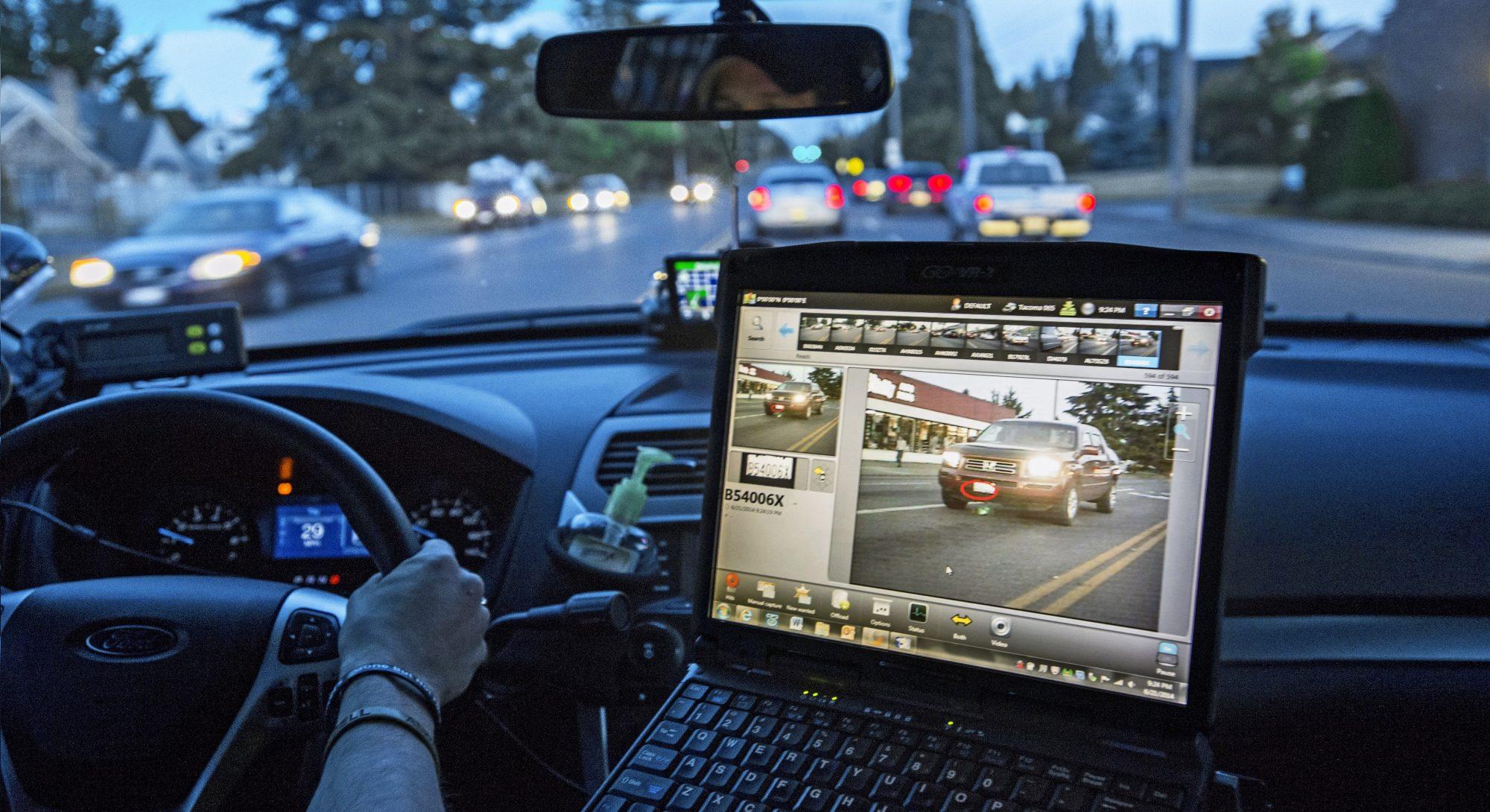
Massachusetts police departments are rolling out advanced new technology in their cruiser fleets aimed at reducing traffic accidents and enhancing road safety. This innovative equipment integrates cutting-edge sensors and real-time data analytics to help officers proactively prevent collisions and respond more efficiently to hazardous driving conditions. As part of ongoing efforts to leverage technology for public safety, these upgrades represent a significant step forward in the state’s traffic enforcement and crash prevention strategies.
Table of Contents
- Massachusetts Police Introduce Advanced Sensor Systems to Enhance Road Safety
- Real-Time Data Integration Enables Officers to Predict and Avoid High-Risk Situations
- Training and Implementation Strategies Ensure Effective Use of New Cruiser Technology
- Experts Recommend Continued Investment in Smart Vehicle Tech to Reduce Traffic Accidents
- Key Takeaways
Massachusetts Police Introduce Advanced Sensor Systems to Enhance Road Safety
Massachusetts law enforcement agencies have integrated cutting-edge sensor technology into patrol cruisers to proactively reduce traffic incidents across the Commonwealth. These advanced systems employ a combination of radar, lidar, and real-time data analytics to detect and respond swiftly to hazardous driving behaviors, such as speeding, sudden lane changes, and distracted driving. By continuously monitoring surrounding vehicles and road conditions, the new technology aims to provide officers with critical situational awareness that enhances their ability to intervene before accidents occur.
The deployment features include:
- Automatic hazard detection: Alerts officers to emerging risks on busy highways or residential streets.
- Improved emergency response coordination: Enabling faster navigation through traffic and more precise dispatching.
- Data gathering capabilities: Collecting actionable insights to inform future road safety initiatives and traffic enforcement strategies.
This initiative reflects Massachusetts police commitment to leveraging technology for safer travel and community protection, setting a new standard for proactive policing on the roads.
Real-Time Data Integration Enables Officers to Predict and Avoid High-Risk Situations
Equipped with cutting-edge technology, Massachusetts police cruisers now receive real-time data streams that allow officers to anticipate and deftly navigate potential hazards before they escalate. By integrating inputs from traffic sensors,weather updates,and live incident reports directly into their onboard systems,patrol units can quickly adjust routes and tactics to steer clear of high-risk zones. This seamless fusion of data empowers law enforcement to make split-second decisions with greater accuracy, considerably reducing collision risks during emergency responses.
Key features of this technology include:
- Dynamic risk assessment algorithms that highlight hazardous conditions ahead
- Instant alerts on congested or accident-prone intersections
- Continuous communication with regional dispatch centers for up-to-the-minute intelligence
Together, these elements create a proactive safety network, enabling officers to not only protect themselves but also enhance public security by minimizing crashes related to urgent patrol activities.
Training and Implementation Strategies Ensure Effective Use of New Cruiser Technology
Officers assigned to the Massachusetts State Police underwent a comprehensive training programme designed to maximize the benefits of the newly integrated cruiser technology. This included hands-on sessions, detailed simulations, and scenario-based drills to familiarize personnel with advanced collision prevention systems and real-time data analytics dashboards. Trainers emphasized key operational protocols and best practices to ensure seamless adoption in the field, enhancing both safety and efficiency. Special focus was placed on practical submission and responsiveness under varying traffic conditions, enabling officers to confidently leverage the system’s predictive capabilities.
The implementation strategy was carefully phased, incorporating continuous feedback loops and iterative updates based on officer experiences and performance metrics. Key components of the rollout included:
- Regular refresher courses to maintain high competency levels
- Integration of the technology with existing cruiser systems for streamlined workflows
- Ongoing technical support and troubleshooting
- Data-driven assessments to measure impact on crash prevention rates
By combining targeted training with adaptive implementation methods, the department aims to build a consistent operational framework that fosters effective use of the technology and ultimately reduces road incidents.
Experts Recommend Continued Investment in Smart Vehicle Tech to Reduce Traffic Accidents
Leading transportation safety experts underscore the critical role of advanced smart vehicle technologies in enhancing road safety and curbing the alarming rates of traffic collisions.These innovations, ranging from real-time crash detection systems to AI-powered collision avoidance mechanisms, offer unprecedented capabilities to preempt accidents before they occur. Continued investment in these technologies is viewed not merely as a technological upgrade but as an essential public safety measure that can save countless lives annually.
Experts advocate for a strategic focus on expanding access to smart vehicle solutions, emphasizing:
- Integration of intelligent sensors and communication networks to enable seamless interaction between vehicles and infrastructure.
- Adoption of machine learning algorithms that enhance decision-making processes during critical driving situations.
- Government and private sector partnerships to fast-track research, progress, and deployment of cutting-edge safety tech.
These concerted efforts aim to substantially reduce human error-the predominant factor in most crashes-paying dividends in safer roads and more resilient urban transportation ecosystems.
Key Takeaways
As Massachusetts law enforcement agencies continue to embrace cutting-edge technology, the deployment of advanced cruiser systems marks a significant step toward enhancing road safety across the state. By integrating innovative tools designed to prevent collisions, police departments aim not only to protect officers but also to reduce traffic-related injuries and fatalities for all drivers and pedestrians. This initiative reflects a broader commitment to leveraging technology for public safety, promising a safer future on Massachusetts roadways.