
Massachusetts is on the brink of a significant breakthrough in solar energy advancement, positioning itself as a leader in the transition to renewable energy. With new policies, investments, and innovative projects set to accelerate, the state aims to expand its solar capacity dramatically, reducing carbon emissions and boosting local economies. This move aligns with Massachusetts’ broader commitment to sustainability and clean energy goals, promising a transformative impact on both the environment and the energy landscape in the region.
Table of Contents
- Massachusetts Sets Ambitious Targets for Solar Energy Expansion
- Innovative Technologies Drive Efficiency in Solar Power Projects
- Community Engagement and Policy Support Propel Solar Initiatives
- Recommendations for Sustainable Growth and Industry Collaboration
- The Conclusion
Massachusetts Sets Ambitious Targets for Solar Energy Expansion
Massachusetts is advancing a bold strategy to scale its solar energy capacity, aiming to solidify its position as a leader in renewable energy innovation. The state’s latest initiatives focus on removing regulatory hurdles,incentivizing solar adoption among residential and commercial sectors,and investing in modern grid infrastructure to seamlessly integrate expanding solar outputs. This multifaceted approach highlights the Commonwealth’s commitment to meet aggressive clean energy targets and reduce greenhouse gas emissions significantly by the next decade.
Key components driving this expansion include:
- Enhanced state incentives and subsidy programs for solar panel installations
- Collaborations with private developers to boost large-scale solar farm projects
- Deployment of smart grid technologies to optimize energy distribution and storage
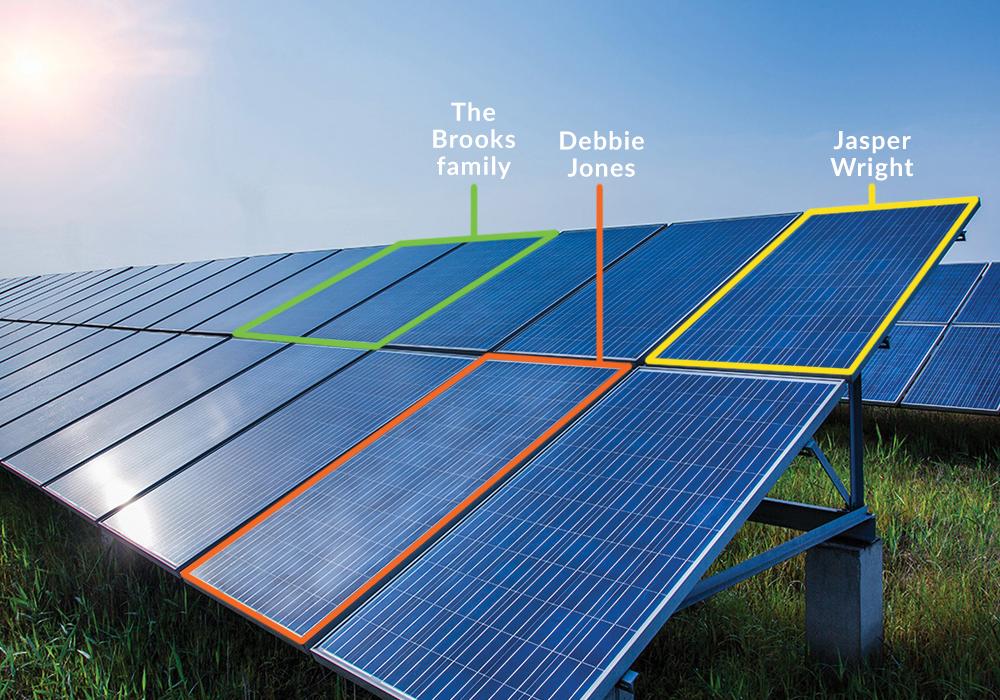
- Community solar initiatives to broaden access for renters and low-income households
These measures are expected to generate thousands of green jobs and support economic growth, while actively transitioning Massachusetts towards a more sustainable and resilient energy future.
Innovative Technologies Drive Efficiency in Solar Power Projects
Massachusetts is embracing cutting-edge innovations that are transforming solar power projects into models of heightened efficiency and sustainability. Central to this evolution is the integration of advanced photovoltaic (PV) technologies that optimize sunlight conversion,significantly boosting energy yield. Enhanced panel materials and designs allow homes and businesses to generate greater power even under diffuse light conditions, ensuring consistent performance year-round. Coupled with smart inverters and AI-driven energy management systems, these technologies enable real-time monitoring and adaptive adjustments to maximize output while minimizing downtime.
Key technological advancements shaping the state’s solar landscape include:
- Next-generation bifacial solar panels that capture sunlight from both sides,increasing overall energy production.
- Grid-interactive battery storage systems, empowering users to store excess energy and deploy it during peak demand hours.
- Thorough software platforms using machine learning to predict weather patterns and optimize energy dispatch accordingly.
- Innovative mounting solutions that reduce installation time and improve panel orientation for maximum efficiency.
These innovations not only enhance the economic viability of solar installations but also accelerate Massachusetts’ transition to a resilient and low-carbon energy future,setting a benchmark for other states to follow.
Community Engagement and Policy Support Propel Solar Initiatives
Massachusetts is witnessing an unprecedented surge in grassroots involvement, fueling the state’s ambitious solar energy targets.Local organizations, community leaders, and residents are actively participating in educational workshops, town hall meetings, and volunteer solar projects, fostering a robust culture of sustainability. This groundswell of support has translated into increased adoption rates of residential and commercial solar installations, significantly boosting the state’s clean energy capacity.
Policy frameworks crafted by state legislators complement this civic momentum, providing incentives such as tax credits, streamlined permitting processes, and favorable net metering rules that remove barriers for solar developers and consumers alike. The synergy between community advocacy and government initiatives is creating a fertile environment for technological innovation, job creation, and long-term environmental benefits, positioning Massachusetts as a leader in renewable energy advancement.
- Increased funding for solar research and development
- Expanded access to solar programs in underserved communities
- Collaborative partnerships between public and private sectors
- Comprehensive public education campaigns about solar benefits
Recommendations for Sustainable Growth and Industry Collaboration
To ensure sustainable expansion, stakeholders must prioritize integrative approaches that align regulatory frameworks with technological innovation. Facilitating open channels of interaction between government agencies, private sector players, and academic institutions will drive the creation of resilient solar infrastructure. Emphasizing incentives for clean energy investments, coupled with streamlined permitting processes, is crucial to maintaining momentum and attracting long-term capital.
Collaboration across the industry spectrum should also focus on:
- Standardizing best practices for installation and grid integration to optimize efficiency and reduce costs
- Investing in workforce training programs that prepare local talent for emerging solar technology jobs
- Promoting research partnerships to accelerate breakthroughs in energy storage and panel durability
- Launching community engagement initiatives to raise awareness and encourage residential solar adoption
The Conclusion
As Massachusetts positions itself at the forefront of solar energy innovation, the coming years promise transformative growth for the state’s renewable energy landscape. With robust policies, increasing investment, and community support, Massachusetts is set to not only meet but exceed its clean energy goals. The shift toward solar power underscores a broader commitment to sustainability and economic resilience, signaling a brighter, greener future for the Commonwealth and serving as a model for other states to follow.