Cambridge is less likely to need supplemental water this fall and winter despite renewed significant drought conditions and a depleted Hobbs Brook Reservoir, according to water officials cited by Cambridge Day.
Rainfall and a seasonal drop in water consumption have improved the city's supply outlook since September. Mark Gallagher, managing director of the Cambridge Water Department, told the outlet that the estimated chance of needing Massachusetts Water Resources Authority water during the coming three months had dropped to 4% as of Tuesday, from 14.5% in September. Officials previously had been preparing for purchases that could have started in October.
The improved outlook comes as the region's drought classification has worsened. On Oct. 9, the Massachusetts Drought Management Task Force raised the Northeast region, including Cambridge, to Level 2, or significant drought. The region had moved to the less severe Level 1 designation on Sept. 10.
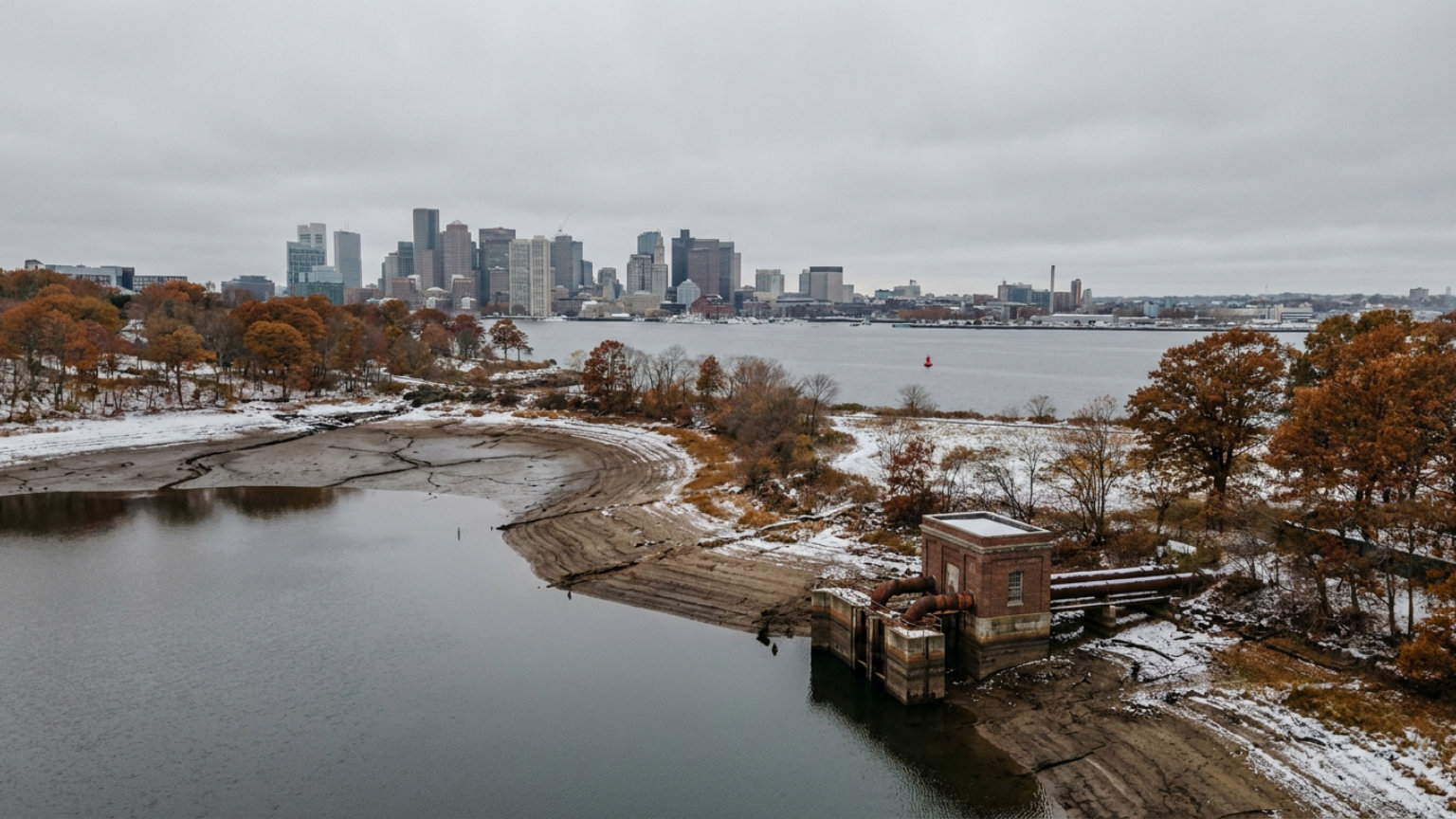
Hobbs Brook still contains only about a fifth of the water it can hold. Gallagher reported approximately 575 million gallons in storage Wednesday; the reservoir's full capacity is 2.9 billion gallons. Its storage percentage was nearly unchanged from September. Cambridge's latest drought announcement put water levels about 36% below the average over 15 years, Cambridge Day reported.
Those low levels do not necessarily mean the city is closer to needing outside supplies. Gallagher attributed the reduced risk primarily to declining demand as the weather cools. Daily consumption was roughly 16 million to 17 million gallons during August and September. It has since fallen to about 13 million gallons and is expected to reach approximately 9 million gallons in December or January.
Recent rainfall also has helped. Gallagher told Cambridge Day that rain during the past month had provided roughly another month's supply in storage, though the system remained well short of normal levels.
Winter recharge and potential costs
Cambridge draws its water through three connected reservoirs. Hobbs Brook feeds Stony Brook, which in turn supplies Fresh Pond. Water from Fresh Pond enters the city's treatment plant.
The city generally shuts the Hobbs Brook gates in early November so the reservoir can refill during winter and spring, then opens them again around June. Gallagher expects that pattern can continue this year if rainfall stays near normal.
If rain falls short and Cambridge must keep drawing on Hobbs Brook, supplemental purchases could become necessary as storage nears the reservoir's 500-million-gallon minimum operating reserve. MWRA supplies cost Cambridge about $5,000 for each million gallons, Gallagher told Cambridge Day. Buying water throughout the winter could cost several million dollars.
The department would first draw on its roughly $7.8 million reserve fund to pay those costs. An extended period of purchases could ultimately affect water bills.
The return to significant drought also brings back limits on nonessential outdoor watering. Gallagher said colder weather and the seasonal end of lawn irrigation would likely limit the practical effect. He encouraged residents to conserve indoors by washing full loads of dishes and laundry, turning off unneeded running faucets and checking for leaks. Free toilet-leak detection tablets are available at the Water Department office.
What's next: Officials expect to close the Hobbs Brook gates in early November if rainfall permits. The National Oceanic and Atmospheric Administration favors wetter-than-average conditions for Massachusetts over the coming three months, but Gallagher cautioned against depending on that long-range forecast.