Efforts to protect and restore coastal habitats and salt marshes are gaining momentum as environmental concerns escalate worldwide. These vital ecosystems, which serve as natural buffers against storms, nurseries for marine life, and crucial carbon sinks, face increasing threats from climate change, development, and pollution. Governments,conservation groups,and local communities are now intensifying initiatives to safeguard these areas,recognizing their importance in sustaining biodiversity and mitigating the impacts of rising sea levels. This surge in preservation activities marks a critical step towards ensuring the resilience and health of coastal environments for future generations.
Table of Contents
- Rising Threats to Coastal Habitats Spur Urgent Conservation Actions
- Innovative Restoration Techniques Bring New Hope to Salt Marshes
- Community Engagement and Policy Changes Drive Local Preservation Efforts
- Experts Call for Increased Funding and Long-Term Monitoring Programs
- In Conclusion
Rising Threats to Coastal Habitats Spur Urgent Conservation Actions
Coastal ecosystems, including vital salt marshes, face escalating threats from climate change, rising sea levels, and increasing urban development. The delicate balance of these habitats is disrupted by erosion, pollution, and habitat fragmentation, resulting in a sharp decline in biodiversity and diminished natural protection against storms. Scientists warn that without immediate,coordinated conservation efforts,many of these areas could suffer irreversible damage.
Conservation initiatives are adopting a multifaceted approach to counter these challenges:
- Restoring native vegetation to stabilize shorelines and enhance wildlife habitats
- Implementing natural buffers to absorb storm surges and reduce flood risks
- Strengthening regulations on coastal development to prevent further habitat loss
- Engaging local communities in stewardship and monitoring programs
These efforts underscore a growing recognition among environmentalists and policymakers that safeguarding coastal habitats is essential not only for ecosystem health but also for the resilience of human communities dependent on them.
Innovative Restoration Techniques Bring New Hope to Salt Marshes
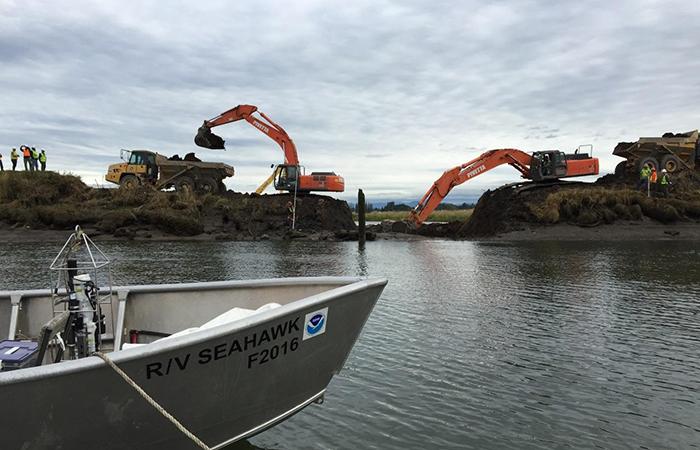
Cutting-edge methods are revolutionizing the way salt marshes are being restored, offering renewed optimism for these vital coastal ecosystems.Techniques such as sediment augmentation, where targeted placement of sand and silt rebuilds marsh elevations, enable marsh plants to thrive despite rising sea levels. Additionally, the strategic reintroduction of native vegetation and the removal of invasive species are proving critical in reinstating natural resilience. These efforts not only restore habitats but also enhance the marshes’ ability to sequester carbon, improve water filtration, and provide shelter for diverse wildlife.
Innovators are also leveraging technology to monitor restoration success in real-time. Drones equipped with sensors and AI-driven data analysis allow for precise mapping and health assessments, helping conservationists adapt their strategies swiftly. Community-driven projects are gaining momentum, encouraging local participation through:
- Volunteer planting events that foster stewardship and education
- Citizen science programs to track biodiversity and environmental changes
- Collaborations with academic institutions for continuous research and innovation
These multifaceted approaches signify a promising shift toward lasting preservation of salt marshes facing unprecedented threats.
Community Engagement and Policy Changes Drive Local Preservation Efforts
Local communities have become pivotal in the push to secure coastal habitats and salt marshes against escalating environmental threats. Grassroots initiatives, powered by residents and advocacy groups, are fostering a new wave of stewardship that emphasizes hands-on conservation and ecosystem monitoring.Volunteers regularly participate in restoration projects, educational workshops, and citizen science programs, ensuring a sustained, community-driven effort. These actions not only raise awareness but also strengthen the social fabric necessary for long-term preservation success.
In parallel, recent policy reforms are reshaping how coastal preservation is approached at municipal and state levels. New regulations prioritize protective zoning, limit harmful development, and incentivize sustainable land management.Key policy highlights include:
- Enhanced buffer zones around vulnerable salt marshes to prevent erosion and pollution.
- Funding boosts for collaborative environmental projects involving local stakeholders.
- Mandates for regular environmental impact assessments prior to approving any coastal construction.
Such measures ensure that preservation efforts are embedded within the region’s governance frameworks, signaling a important shift toward integrated conservation strategies that actively engage citizens and policymakers alike.
Experts Call for Increased Funding and Long-Term Monitoring Programs
Leading environmental scientists and coastal ecologists are urgently advocating for a significant increase in funding dedicated to the preservation and restoration of salt marshes and coastal habitats.These experts emphasize that without enhanced financial support, critical conservation efforts will fall short in addressing the escalating threats posed by climate change, pollution, and urban development. They argue that sustained investment is essential to implement effective restoration projects, improve habitat resilience, and safeguard biodiversity that supports both marine and terrestrial ecosystems.
Furthermore, specialists stress the necessity of establishing long-term monitoring programs as a cornerstone of effective environmental stewardship. Such initiatives would provide ongoing data collection to track ecosystem health, assess the success of restoration endeavors, and anticipate future challenges. Key recommendations include:
- Developing standardized protocols for habitat assessment
- Integrating community-based monitoring efforts
- Leveraging advanced technologies such as remote sensing and AI analytics
These measures would ensure adaptive management strategies remain responsive and grounded in the latest scientific insights,ultimately fostering more resilient and thriving coastal landscapes.
In Conclusion
As global attention increasingly turns to the critical importance of coastal habitats and salt marshes, intensified preservation efforts signal a growing recognition of their role in biodiversity, climate resilience, and community protection. Stakeholders from governments to local organizations are stepping up to implement innovative strategies and policies aimed at safeguarding these vital ecosystems for generations to come. The coming years will be pivotal in determining whether these initiatives succeed in reversing the damage wrought by development, pollution, and climate change - underscoring that the health of our coastlines is intrinsically linked to the wellbeing of our planet and its people.