
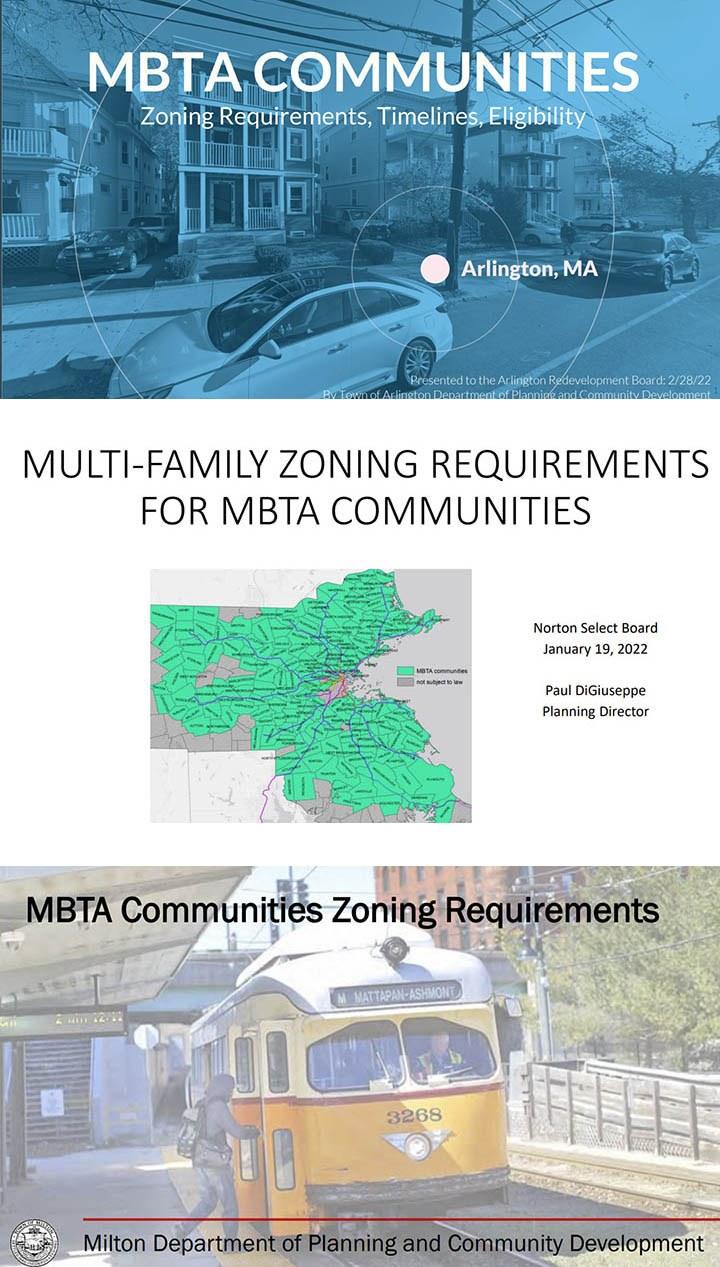
A new bill aimed at significantly improving public transit infrastructure and reforming MBTA zoning regulations has been introduced, marking a pivotal step toward addressing the region’s transportation challenges. The proposed legislation seeks to enhance service efficiency, increase accessibility, and promote sustainable urban development by aligning transit planning with zoning policies around MBTA stations. Lawmakers and transit advocates alike are closely watching the initiative, which could reshape commuting patterns and spur economic growth in surrounding communities.
Table of Contents
- Bill Introduces Funding Boost to Expand MBTA Service Coverage
- Proposed Zoning Changes Aim to Increase Affordable Housing Near Transit Hubs
- Legislators Emphasize Environmental Benefits and Reduced Traffic Congestion
- Advocates Call for Inclusive Community Engagement and Accountability Measures
- Wrapping Up
Bill Introduces Funding Boost to Expand MBTA Service Coverage
State legislators have introduced a comprehensive bill aimed at significantly increasing funding for the Massachusetts Bay Transportation Authority (MBTA) to broaden its service footprint. This legislative measure focuses on expanding commuter rail and light rail options, targeting underserved suburban and regional areas to improve accessibility and reduce congestion in key transit corridors. The proposed budget reallocation would support infrastructure upgrades, service frequency enhancements, and the integration of new transit zones designed to better serve growing communities.
Key components of the proposal include:
- Investment in additional rolling stock and modernization of existing vehicles to boost capacity and reliability.
- Extension of service hours and new routes to accommodate increased ridership demand during off-peak times.
- Implementation of technology upgrades for real-time service announcements and improved passenger information systems.
- Coordination with local zoning policies to encourage transit-oriented development and sustainable urban growth.
Proposed Zoning Changes Aim to Increase Affordable Housing Near Transit Hubs
Lawmakers have introduced a bill targeting significant modifications to zoning regulations around Massachusetts Bay Transportation Authority (MBTA) transit hubs. The initiative seeks to promote the development of more affordable housing units within walking distance of public transit stations, aiming to tackle both the housing crisis and reduce urban congestion together. By relaxing density limits and streamlining the permitting process, the legislation encourages developers to build mixed-income residential projects, fostering inclusive communities near key transit corridors.
Key features proposed in the zoning changes include:
- Allowing multi-family housing in areas previously zoned for single-family homes
- Mandating a minimum percentage of affordable units in new developments
- Facilitating transit-oriented growth by increasing building height and density allowances
- Reducing parking requirements to prioritize walkability and transit use
Supporters argue these measures will help create diverse, sustainable neighborhoods that are well-connected by MBTA services, while providing relief for residents facing escalating housing costs near urban centers.
Legislators Emphasize Environmental Benefits and Reduced Traffic Congestion
Lawmakers are underscoring the dual advantages of the proposed bill, highlighting its potential to drive significant environmental progress while easing the region’s chronic traffic woes. By expanding public transit infrastructure and reforming MBTA zoning, the initiative aims to reduce reliance on personal vehicles, thereby lowering greenhouse gas emissions and improving air quality. This aligns with broader sustainability goals championed by environmental advocates,emphasizing cleaner,greener urban living.
Key benefits touted by legislators include:
- Decreased traffic congestion on major routes through increased transit ridership.
- Encouragement of transit-oriented development, which fosters accessible,walkable communities.
- Support for greener urban planning initiatives that reduce carbon footprints.
These components are expected to work in tandem, not only making commutes more efficient but also contributing to long-term environmental stewardship.
Advocates Call for Inclusive Community Engagement and Accountability Measures
Community advocates emphasize the necessity of broad, inclusive participation in shaping public transit policies, urging the incorporation of voices from diverse neighborhoods traditionally underrepresented in MBTA planning processes. They stress that meaningful engagement must go beyond mere consultation, demanding transparent and ongoing dialogues with residents to ensure their needs and concerns are central to decision-making frameworks.
Calls for robust accountability mechanisms have also intensified, with proponents outlining key measures such as:
- Regular public reporting on project progress and expenditures
- Autonomous oversight committees involving community members
- Clear benchmarks for evaluating the environmental, social, and economic impacts of zoning changes
- Accessible channels for public feedback throughout implementation phases
Such steps aim to build trust and ensure that transit advancements truly serve the collective public interest.
Wrapping Up
As the proposed bill moves forward, its impact on public transit and MBTA zoning could mark a significant shift in regional development and commuter experience.Stakeholders and residents alike will be closely monitoring the legislative process to see how these changes might reshape transportation infrastructure and urban planning across the area. Further updates will follow as the bill progresses and public discussions continue.