
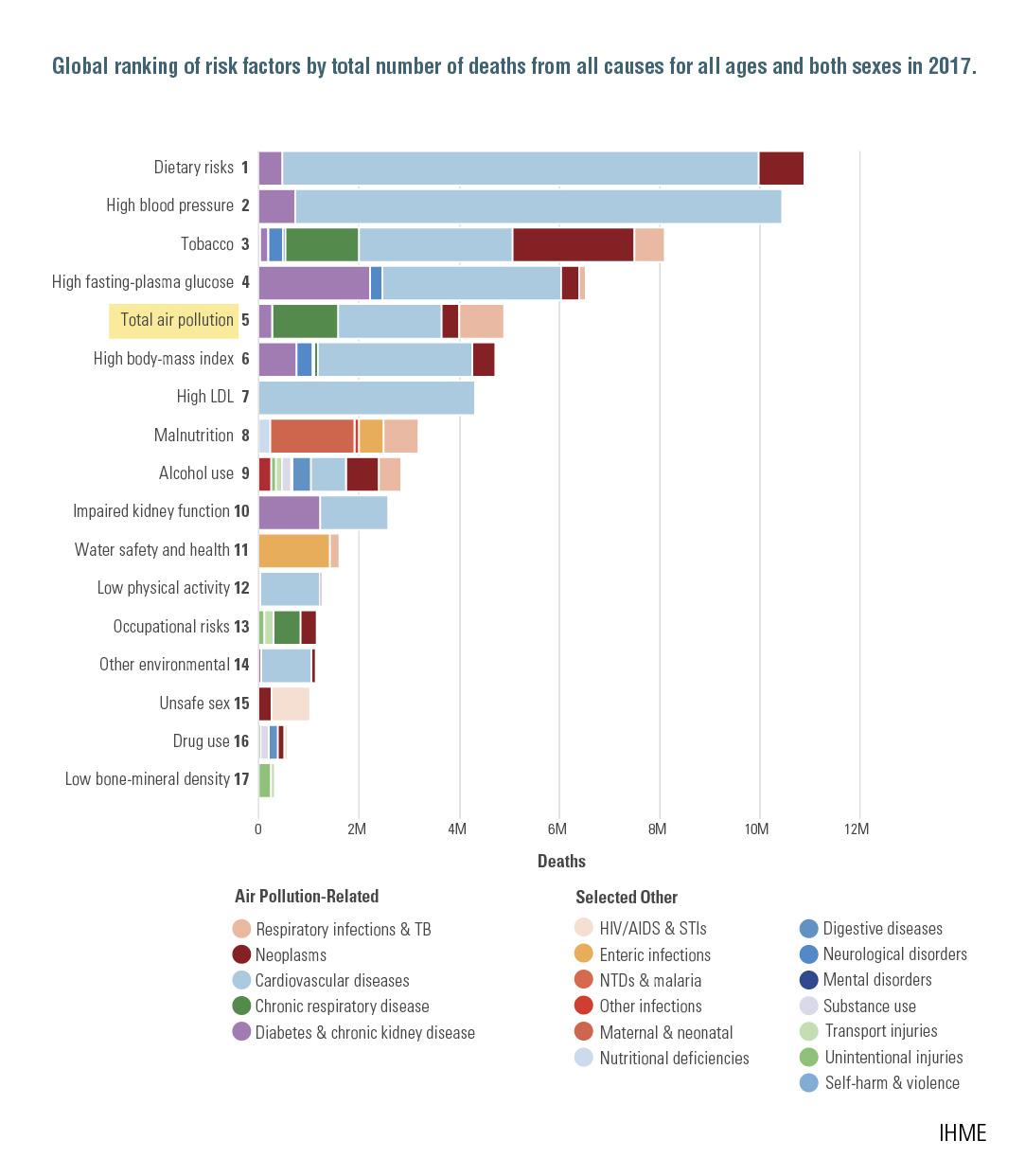
Recent air quality reports have uncovered critical insights into public health risks, highlighting the direct impact that pollutants have on communities across the nation.Developed by the Environmental Protection Agency, the Air Quality Index (AQI) provides daily updates on the presence of five major air pollutants, guiding individuals on how to protect themselves from adverse health effects. As concerns grow over worsening air conditions-exacerbated by factors such as wildfire smoke-these reports serve as an essential tool for understanding and mitigating the dangers posed by poor air quality to public health [[1]](https://www.airnow.gov/aqi/).
Table of Contents
- Air Quality Reports Uncover Hidden Threats to Respiratory Health
- Detailed Analysis Links Pollution Peaks to Increased Hospital Admissions
- Experts Call for Stricter Emission Controls to Safeguard Vulnerable Populations
- Community Actions Highlighted as Crucial Steps Toward Cleaner Air
- The Way Forward
Air Quality Reports Uncover Hidden Threats to Respiratory Health
Recent air quality assessments have brought to light concerning pollutants that are not only pervasive but also largely undetected in everyday environments. These substances, ranging from microscopic particle pollution to invisible chemical compounds, have been scientifically linked to a host of respiratory ailments. According to studies, exposure to particle pollution-comprising dust, soot, smoke, and dirt-can trigger nonfatal heart attacks, irregular heartbeat, aggravated asthma, and reduced lung function. The insidious nature of these pollutants means many individuals inhale harmful substances without recognizing the immediate risk to their respiratory health, emphasizing the urgent need for continuous monitoring and public awareness initiatives.
Health experts underscore several key factors highlighted in the latest reports, including:
- Indoor and outdoor air contamination significantly impacts vulnerable populations such as children, the elderly, and those with pre-existing respiratory conditions.
- The presence of human-made pollutants, which exacerbate climate change and directly compromise lung health.
- The critical role of air quality management in mitigating health risks by reducing emissions and improving ventilation systems.
Collectively, these findings call for robust public health strategies to address the hidden atmospheric hazards threatening millions worldwide.
Detailed Analysis Links Pollution Peaks to Increased Hospital Admissions
New data reveals a direct correlation between sharp increases in air pollutant levels and a surge in hospital admissions, particularly linked to respiratory and cardiovascular conditions. Analysis shows that days marking pollution peaks coincide with a meaningful rise in acute health episodes such as asthma attacks, chronic obstructive pulmonary disease (COPD) exacerbations, heart attacks, and strokes. These findings underscore the urgent need for continuous air quality monitoring and timely public health interventions to mitigate exposure during these critical windows.
Experts emphasize the following key observations from the detailed health data:
- Vulnerable populations,including children,elderly,and individuals with pre-existing conditions,face disproportionately higher risks during pollution spikes.
- Short-term exposure to elevated levels of fine particulate matter (PM2.5) and nitrogen dioxide (NO2) is strongly associated with immediate adverse health outcomes.
- Rapid public health responses and advisory measures issued during these episodes can significantly reduce hospital strain and improve overall health resilience.
Experts Call for Stricter Emission Controls to Safeguard Vulnerable Populations
Health professionals and environmental scientists are urging policymakers to implement more rigorous emission standards amid mounting evidence linking air pollutants to severe health risks in sensitive groups. Vulnerable populations-including children, the elderly, and individuals with preexisting respiratory conditions-bear a disproportionate burden from harmful emissions such as particulate matter, nitrogen oxides, and volatile organic compounds. Experts warn that current regulatory measures fall short of adequately protecting these groups, advocating for measures that not only limit vehicle and industrial exhaust but also address emissions from emerging sources.
The calls for action emphasize:
- Enhanced monitoring and reporting of emission levels in urban hotspots.
- Stricter caps on industrial discharges and transportation-related pollutants.
- Investments in cleaner technologies and renewable energy alternatives.
- Community-focused policies to reduce exposure disparities in disadvantaged areas.
Failure to tighten controls, experts caution, risks escalating respiratory illnesses, cardiovascular diseases, and other chronic health conditions, underscoring an urgent public health imperative that demands coordinated governmental and societal response.
Community Actions Highlighted as Crucial Steps Toward Cleaner Air
Recent investigations into local air quality have underscored the vital role that community-driven initiatives play in combating pollution and mitigating public health risks. Citizen participation in monitoring efforts, advocating for green spaces, and promoting sustainable transportation emerged as the most effective strategies to reduce airborne contaminants. Notably, neighborhoods that have adopted these measures report a measurable decline in respiratory illnesses and pollutant levels, showing that collective action can yield tangible environmental benefits.
Key community efforts include:
- Organizing clean-up drives and tree-planting campaigns
- Implementing carpooling and bike-sharing programs to lower vehicle emissions
- Hosting educational workshops on indoor and outdoor air quality awareness
- Lobbying local government for stronger emission regulations and air-quality monitoring stations
These grassroots actions foster a culture of environmental stewardship and provide a blueprint for other regions aiming to enhance air quality. Experts emphasize that empowering communities with resources and knowledge is essential for sustaining progress and safeguarding public health for future generations.
The Way Forward
As air quality reports continue to shed light on the intricate links between atmospheric pollutants and public health, it is clear that ongoing monitoring and obvious reporting are vital. Understanding the composition of the air we breathe-and the increasing presence of harmful contaminants-can guide policies aimed at protecting communities and mitigating health risks. With air pollution remaining a critical concern worldwide,these insights emphasize the urgent need for collective action to ensure cleaner air and healthier lives for all. Stay informed as new data emerges, shaping the future of environmental health and safety.