
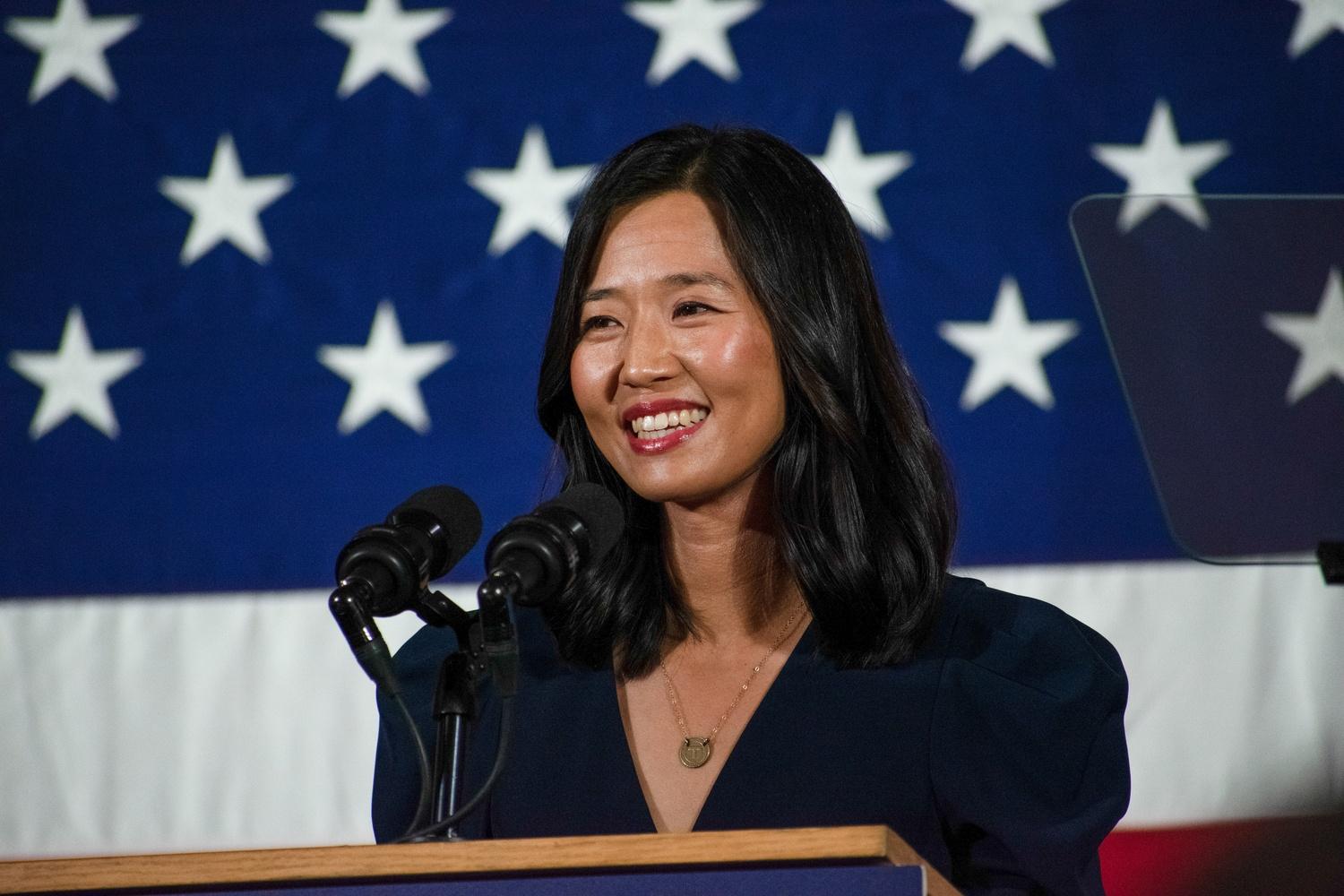
In a bold move to enhance urban greenery and combat climate change, Mayor Michelle Wu has officially launched a comprehensive citywide tree-planting program. This ambitious initiative aims to plant tens of thousands of trees across neighborhoods, parks, and public spaces over the next several years. City officials emphasize that the effort will not only improve air quality and reduce urban heat but also foster community engagement and beautify the urban landscape. As the program kicks off, residents and environmental advocates alike are watching closely to see how this green vision will take root.
Table of Contents
- Mayor Wu Unveils Vision for Greener Urban Landscape
- Targeted Neighborhoods and Tree Species Selection Explained
- Community Engagement and Volunteer Initiatives Underway
- Recommendations for Maximizing Impact and Ensuring Sustainability
- Concluding Remarks
Mayor Wu Unveils Vision for Greener Urban Landscape
In a groundbreaking move to combat urban heat and improve air quality, Mayor Wu has unveiled a comprehensive tree-planting initiative aimed at transforming the city’s streets, parks, and public spaces. This program will see the planting of over 50,000 native trees across all neighborhoods within the next five years, emphasizing sustainability and community engagement. The initiative not only focuses on environmental benefits but also seeks to enhance the city’s aesthetic and recreational appeal, creating green corridors and shaded walkways that promote healthier lifestyles.
Key features of the program include:
- Community-driven planting events to encourage resident participation and stewardship
- Collaborations with local schools for educational outreach on urban ecology
- Integration of smart irrigation systems to ensure long-term tree health
- Priority planting in underserved neighborhoods to address environmental inequity
This ambitious strategy reflects Mayor Wu’s commitment to building a resilient and vibrant city, positioning green infrastructure at the heart of urban planning and climate action.
Targeted Neighborhoods and Tree Species Selection Explained
In an effort to maximize the environmental and social impact of the new initiative, the city has meticulously identified key neighborhoods where tree planting will yield the greatest benefits. Priority zones include urban heat islands, areas with elevated air pollution, and communities historically underserved by green infrastructure. Local environmental experts collaborated with community leaders to ensure that cultural and socioeconomic factors were taken into account, resulting in a well-rounded and equitable distribution of newly planted trees across the city.
Tree species selection has been equally strategic, emphasizing biodiversity and resilience to urban stressors. The program highlights a carefully curated list of species, including:
- Native oaks and maples for their proven adaptability and shade coverage.
- Flowering dogwoods to enhance seasonal aesthetics and support local pollinators.
- Ginkgo trees, celebrated for their air-purifying qualities and urban tolerance.
This thoughtful approach not only fosters ecological balance but also ensures that the urban canopy thrives sustainably for generations to come.
Community Engagement and Volunteer Initiatives Underway
In an inspiring display of civic pride, residents across neighborhoods are stepping up to support the new green initiative spearheaded by Mayor Wu. Local schools, businesses, and environmental groups have teamed up to organize planting events, ensuring the city’s tree coverage increases substantially in just a few months. Volunteers receive training on sustainable planting techniques and tree care, promoting both ecological benefits and community ownership. These collaborative efforts not only bolster urban greenery but also foster a spirit of unity and environmental responsibility among citizens.
Key features of the volunteer program include:
- Weekly tree-planting drives in parks, streets, and schoolyards
- Community workshops focusing on native species and biodiversity
- Partnerships with local nurseries to provide free saplings for residents
- Incentives such as volunteer recognition awards and green certificates
With thousands already signed up, the initiative exemplifies how grassroots participation can lead to tangible environmental transformation, setting a benchmark for cities nationwide.
Recommendations for Maximizing Impact and Ensuring Sustainability
To ensure the program’s objectives are met and its benefits endure, city officials emphasize community engagement as a cornerstone. Establishing partnerships with local schools, businesses, and environmental organizations will foster a shared sense of responsibility and stewardship. Workshops and volunteer events should be organized regularly to educate residents about the ecological and social significance of urban forestry, encouraging widespread participation and care for newly planted trees.
Moreover, implementing a robust monitoring and maintenance framework is critical. This includes scheduled irrigation, pruning, and disease management to guarantee tree vitality long after planting. The city plans to utilize innovative technologies such as GIS mapping and drone surveillance to track growth patterns and quickly address challenges. By combining community-driven efforts with data-informed maintenance practices, the initiative aims to cultivate a sustainable and flourishing urban canopy for generations to come.
Concluding Remarks
As Mayor Wu’s tree-planting initiative takes root across the city, residents can look forward to greener streets, cleaner air, and enhanced community spaces in the years ahead. The program represents a significant step toward sustainable urban development and reflects the administration’s commitment to environmental stewardship. City officials encourage public participation and collaboration to ensure the long-term success of this ambitious effort. With this new chapter in urban forestry underway, the city hopes to set a lasting example for municipalities nationwide.