
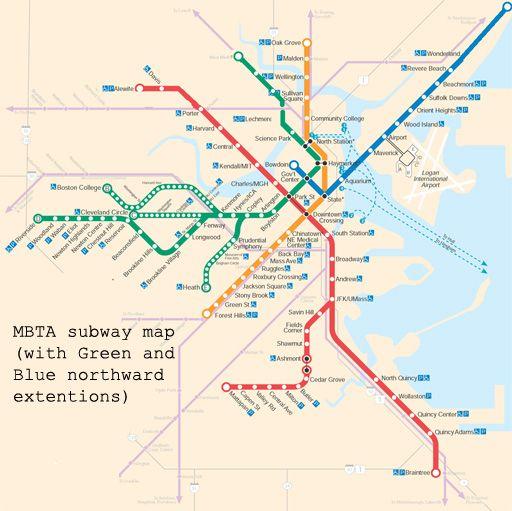
Community leaders in Mattapan are stepping up their advocacy for expanded transit access as residents face ongoing transportation challenges. The call comes amid concerns that limited transit options are impacting affordability, mobility, and economic opportunities within the neighborhood. Local officials and activists argue that enhanced transit infrastructure is crucial to connect Mattapan more effectively with greater Boston, fostering growth and improved quality of life for its diverse population. This push highlights broader debates about equity and infrastructure investment in the Boston metropolitan area.
Table of Contents
- Mattapan Leaders Advocate for Improved Transit Connectivity to Boost Economic Growth
- Community Voices Emphasize the Need for Extended Bus and Rail Services
- Proposed Transit Upgrades Aim to Enhance Accessibility and Reduce Commute Times
- Local Officials Recommend Increased Funding and Collaborative Planning for Transit Expansion
- Wrapping Up
Mattapan Leaders Advocate for Improved Transit Connectivity to Boost Economic Growth
Community leaders in Mattapan are intensifying calls for enhanced transit connections to catalyze local economic progress. Recognizing that the current public transportation options, while historic and culturally significant, present challenges such as limited reach and inconvenient routes, advocates stress the necessity for expanded services that integrate Mattapan more seamlessly with greater Boston’s urban core. The consensus is clear: without improved connectivity, residents face hurdles commuting to employment hubs, educational institutions, and commercial centers, which could otherwise stimulate neighborhood revitalization and business growth.
Key priorities highlighted by Mattapan officials include:
- Expanding frequency and coverage of the Mattapan trolley line to better serve emerging residential and commercial areas
- Introducing multimodal transit options that connect with major MBTA lines for faster, more efficient commutes
- Upgrading transit infrastructure to support accessibility for all residents, fostering equitable economic opportunities
By addressing these transit shortcomings, local advocates argue that Mattapan can transform its economic landscape, attract new investments, and reinforce its role as a vibrant community within the Boston metropolitan area.
Community Voices Emphasize the Need for Extended Bus and Rail Services
Local residents and transit advocates have voiced urgent calls for the extension of bus and rail services in Mattapan. Community meetings and forums reveal a shared frustration over limited transit options that hinder access to employment, education, and essential services. Many emphasize that expanded schedules and increased frequency would significantly improve daily commutes, especially for those who rely solely on public transportation. The current constraints contribute to longer travel times and reduce opportunities for economic advancement within the neighborhood.
Notable points raised by community members include:
- Demand for later evening service to accommodate workers on non-conventional schedules
- Calls for weekend transit options to support social activities and local businesses
- Requests to restore or expand routes connecting Mattapan to key urban centers and transit hubs
- Improvements in accessibility for elderly and disabled passengers
These insights underscore a collective desire for a more inclusive and responsive transit system, one that reflects the evolving needs of the Mattapan community and fosters greater connectivity across Boston’s neighborhoods.
Proposed Transit Upgrades Aim to Enhance Accessibility and Reduce Commute Times
The latest transit proposals focus on improving key infrastructure to ensure greater accessibility for residents across Mattapan. Plans include the integration of additional bus routes and the modernization of existing stations to accommodate individuals with mobility challenges. Community leaders emphasize the need for seamless connections between transit lines, citing that this will significantly bridge gaps and serve underserved neighborhoods more efficiently.
Commuters stand to benefit from a range of improvements designed to reduce travel times during peak hours. Proposed measures include dedicated transit lanes, upgraded signaling systems, and enhanced scheduling practices aimed at minimizing delays. Stakeholders have outlined priority goals such as:
- Implementing real-time tracking technology for smoother transfers
- Increasing service frequency on high-demand routes
- Expanding late-night and weekend options to complement daily commutes
Experts agree these enhancements could transform local transit into a faster, more reliable option for thousands of riders.
Local Officials Recommend Increased Funding and Collaborative Planning for Transit Expansion
City and regional officials emphasized the urgent need for increased investment to support the expansion of transit infrastructure in Mattapan. They highlighted that without enhanced funding, plans to improve connectivity and reduce commute times would face significant delays. Key priorities include upgrading existing rail lines, expanding bus services, and integrating new technologies to streamline transit operations. Officials urged state and federal agencies to allocate targeted resources, stressing that transit improvements are vital for economic growth and environmental sustainability.
Collaboration between municipal departments,transit authorities,and community organizations was identified as essential to the success of any transit expansion effort. Recommendations focused on:
- Establishing coordinated planning frameworks to ensure cohesive advancement across jurisdictions.
- Engaging local stakeholders early and continuously to address community needs and concerns.
- Leveraging public-private partnerships to maximize project funding and expertise.
- Implementing data-driven decision-making to prioritize high-impact initiatives.
Officials concluded that these combined strategies would accelerate the delivery of transit improvements, making Mattapan a model for connected and equitable urban mobility.
Wrapping Up
As Mattapan’s community leaders continue to advocate for expanded transit access, the push reflects broader concerns about equity, connectivity, and economic possibility. With growing support from residents and policymakers alike, the call for improved transportation infrastructure in Mattapan underscores the urgent need to address longstanding mobility challenges and enhance the quality of life in the neighborhood. How city officials respond to these demands may well shape the future of transit and access for Mattapan residents in the years to come.