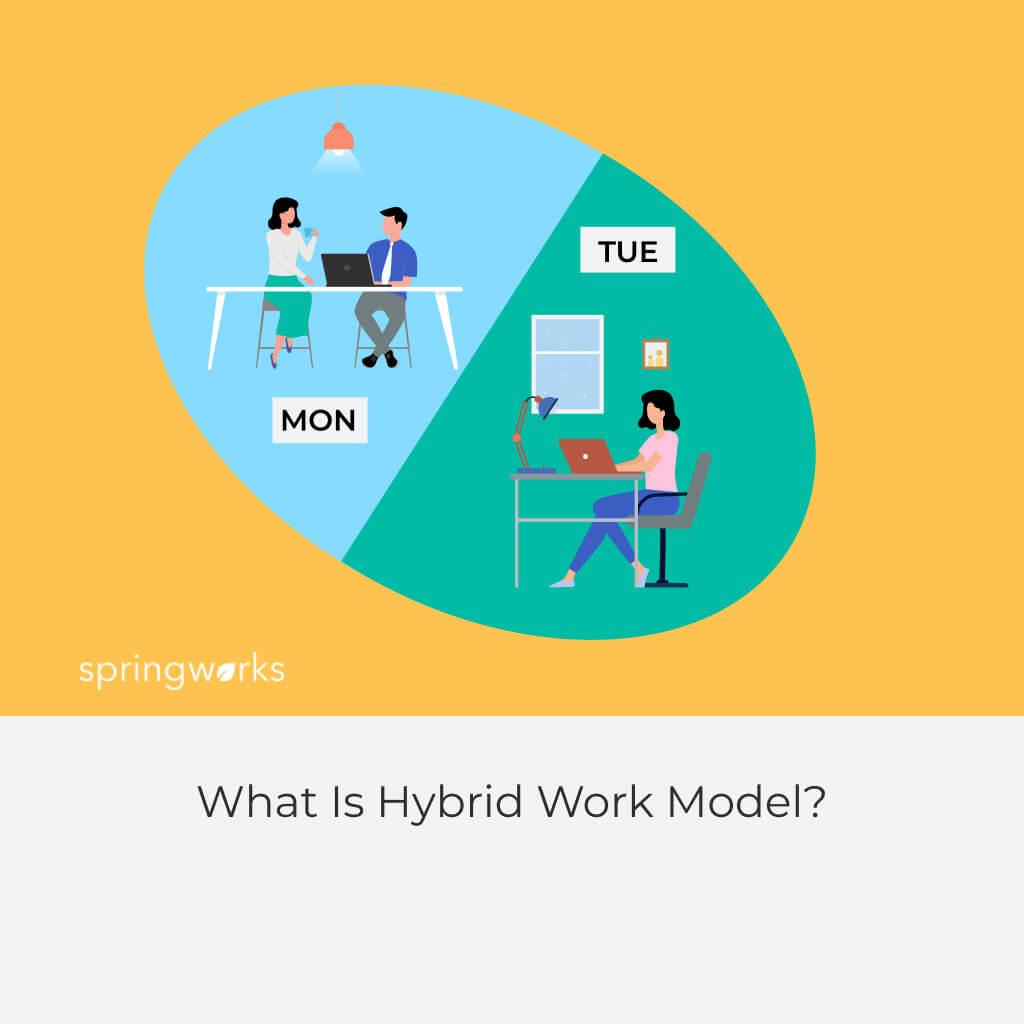
The widespread adoption of the hybrid work model is dramatically transforming the commercial real estate landscape. As businesses balance in-office presence with remote work flexibility, demand for conventional office spaces is evolving, prompting landlords, developers, and investors to rethink strategies. This shift is driving changes in leasing patterns, space utilization, and property values, signaling a fundamental reshaping of the commercial real estate market.
Table of Contents
- Hybrid Work Transforms Office Space Demand and Design
- Impact on Urban Commercial Real Estate Values and Leasing Trends
- Adapting Property Management Strategies for Flexible Work Environments
- Recommendations for Investors Navigating the Hybrid Work-Driven Market Shift
- To Wrap It Up
Hybrid Work Transforms Office Space Demand and Design
The rise of hybrid work models is catalyzing a fundamental shift in how companies approach their office environments. Demand for traditional, full-occupancy office spaces is declining as businesses prioritize flexibility and adaptability. Instead of fixed individual desks, office layouts now emphasize collaborative zones, hot-desking areas, and technology-enabled meeting rooms designed to support both remote and in-person work. This hybrid approach drives landlords and developers to rethink space utilization, often downsizing square footage or converting parts of office real estate into shared, multi-functional environments that foster creativity and engagement on the days employees come onsite.
Moreover, design strategies focus heavily on health, well-being, and connectivity to meet evolving workforce expectations. Features such as enhanced ventilation systems, touchless technologies, and ergonomic furnishings are becoming standard. Offices are curated to offer
- dynamic work settings that accommodate solo tasks and team collaborations alike,
- amenities that promote social interaction while maintaining safety standards,
- and flexible scheduling spaces that align with fluctuating office attendance patterns.
Such transformations signal a lasting impact on commercial real estate, with a premium placed on spaces that can seamlessly support a hybrid workforce’s needs and preferences.
Impact on Urban Commercial Real Estate Values and Leasing Trends
Urban commercial real estate markets are experiencing a transformative shift as the hybrid work model becomes mainstream. Traditional demand for expansive office spaces in central business districts is waning,prompting landlords and investors to rethink property valuations. Prime locations have seen a moderation in rental rates, while properties offering flexible layouts, tech-enabled workspaces, and proximity to mixed-use amenities are commanding renewed interest. This recalibration underscores a growing preference among tenants for environments that support both remote and in-person collaboration, effectively reshaping asset valuation metrics across major cities.
Leasing trends echo this paradigm shift, characterized by:
- Shorter lease terms: Companies seek adaptability amid uncertain hybrid work policies.
- Flexible space solutions: Demand spikes for co-working and modular office configurations.
- Decentralization: Rising interest in suburban hubs and satellite offices to support distributed teams.
These factors combine to challenge the traditional prioritization of downtown skyscrapers, instead favoring multi-use districts and adaptive commercial properties that align with evolving work behaviors.
Adapting Property Management Strategies for Flexible Work Environments
The rise of hybrid work models demands a fundamental shift in property management approaches,moving away from traditional,static office layouts towards dynamic,multi-use environments. Property managers are increasingly incorporating technology-driven solutions such as smart scheduling systems and real-time occupancy monitoring to optimize space utilization. This approach not only reduces overhead costs but also enhances tenant satisfaction by aligning physical environments with fluctuating workforce patterns.
Key strategies shaping modern property management include:
- Implementing flexible lease terms that accommodate changing tenant needs
- Upgrading HVAC and sanitation systems to support health protocols and reduce risks
- Designing adaptable common areas and workstations to foster collaboration while maintaining distancing
- Leveraging data analytics to anticipate demand shifts and manage resources efficiently
These adaptations underscore a proactive approach in managing commercial real estate that prioritizes agility, tenant experience, and resilience in an evolving work landscape.
Recommendations for Investors Navigating the Hybrid Work-Driven Market Shift
Investors should recalibrate their portfolios to prioritize flexibility and adaptability. Properties offering mixed-use capabilities or those easily convertible to accommodate fluctuating tenant needs are positioned for success. Emphasizing technologies that support hybrid work-such as advanced connectivity infrastructure and adaptable office layouts-can significantly elevate asset desirability. Furthermore, seeking markets with a robust inflow of remote-capable industries will provide resilience against localized economic disruptions.
Risk mitigation can be enhanced by diversifying investments across emerging sub-sectors influenced by hybrid work dynamics. These include:
- Flexible office spaces: coworking centers and short-term leases that cater to companies’ changing occupancy requirements.
- Last-mile logistics hubs: supporting increase in e-commerce tied to remote workforce needs.
- Residential-commercial mixed developments: designed to foster live-work-play environments attractive to hybrid employees.
Continuous market monitoring and engagement with local economic policies will enable investors to anticipate shifts and capitalize on upcoming trends driven by evolving work models.
To Wrap It Up
As the hybrid work model continues to evolve, its impact on the commercial real estate market becomes increasingly pronounced.Companies are rethinking office space requirements, prioritizing flexibility and collaboration over traditional layouts. This change signals a lasting shift in how workplaces are designed and utilized, with implications for landlords, developers, and investors alike. Observers agree that adaptability will be key as market players navigate the new normal, balancing in-person presence with remote work’s growing prominence. The commercial real estate sector faces a pivotal moment-one that will shape the future of work and urban landscapes for years to come.