Fenway Park, the storied home of the Boston Red Sox and a cherished landmark in American baseball, faces critical questions about its long-term viability. As discussions intensify over the stadium’s future amid evolving fan expectations,infrastructural challenges,and the pressures of modern sports entertainment,stakeholders are weighing options that could redefine this iconic venue’s legacy. This article examines the factors influencing Fenway Park’s sustainability, exploring the balance between preserving tradition and embracing innovation in an era of rapid change.
Table of Contents
- Fenway Park’s Historical Significance and Current Condition
- Evaluating Structural Challenges and Modernization Needs
- Economic Impact of Renovations Versus New Stadium Construction
- Community Perspectives and Strategic Recommendations for Preservation
- Concluding Remarks
Fenway Park’s Historical Significance and Current Condition
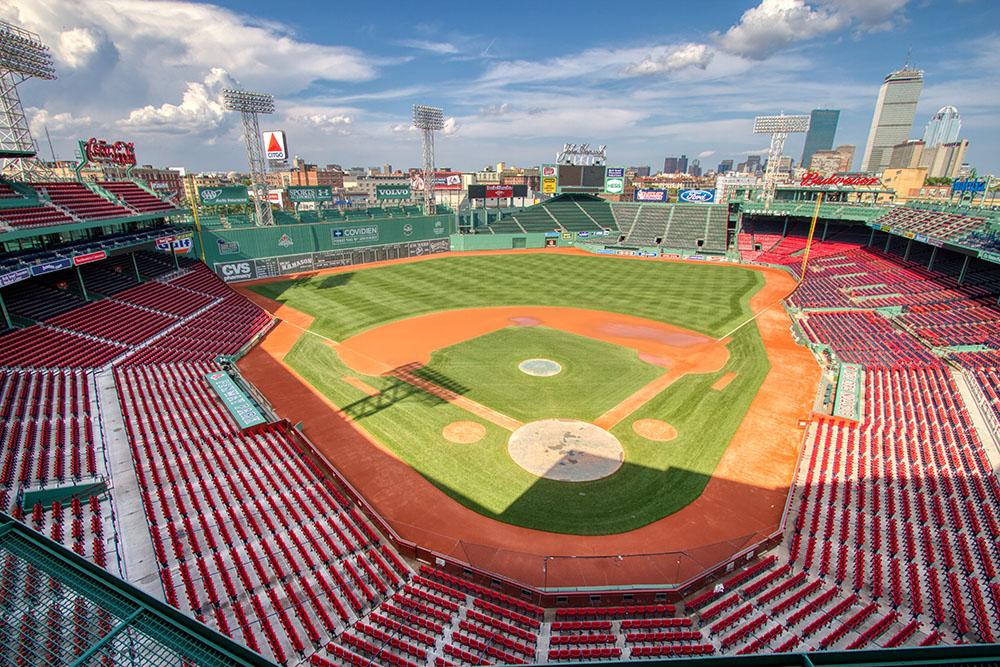
Fenway Park stands as a monumental emblem of baseball history, renowned not only for being the oldest Major League Baseball stadium but also for its deep-rooted connections to Boston’s cultural fabric. As opening its gates in 1912, it has witnessed countless legendary moments that have shaped the sport’s legacy. Its iconic features, such as the Green Monster and Pesky’s Pole, have become enduring symbols for fans worldwide, preserving the spirit of baseball’s golden age. Over the decades, Fenway has adapted while maintaining the historic charm that makes it America’s most beloved ballpark.
Today, Fenway Park’s condition showcases a blend of meticulous preservation efforts alongside modern upgrades designed to enhance visitor experiences without sacrificing authenticity. The ballpark continues to host a diverse array of events beyond baseball, including concerts and festivals, reflecting its versatile role in Boston’s community life. However, challenges relating to infrastructure aging and limited expansion space persist. Key focal points moving forward include:
- Ongoing preservation projects ensuring historical integrity is retained.
- Strategic modernization to improve amenities and fan comfort.
- Balancing tradition with innovation to maintain the park’s unique identity.
Maintaining this delicate equilibrium will be crucial in determining Fenway’s ability to remain a competitive and cherished venue for generations to come.
Evaluating Structural Challenges and Modernization Needs
Fenway Park, while a cherished icon of baseball history, faces mounting structural challenges that threaten its long-term viability. Decades of wear have exposed vulnerabilities in its foundational elements, from deteriorating concrete to outdated support beams that strain under modern usage demands. Compounding these issues is the park’s limited spatial footprint, which restricts opportunities for essential upgrades without compromising its historic integrity. Experts highlight concerns around seismic resilience and compliance with contemporary safety codes, aspects critical to ensuring fan security and operational continuity in the coming decades.
Modernizing Fenway necessitates a delicate balance between preservation and innovation.Key areas attracting focus include:
- Infrastructure reinforcement to extend the lifespan while safeguarding heritage features.
- Technological integration such as upgraded lighting, sound systems, and digital displays to enhance the spectator experience.
- Accessibility improvements ensuring compliance with the Americans with Disabilities Act (ADA) and accommodating growing diverse fan demographics.
- Environmental sustainability measures to align with contemporary stadium standards.
Addressing these demands calls for a phased, well-funded strategy that respects Fenway’s historic fabric yet positions it competitively among modern sports venues worldwide.
Economic Impact of Renovations Versus New Stadium Construction
Renovating Fenway Park presents a financially strategic alternative to new stadium construction, preserving the historic charm that drives tourism while avoiding the multi-billion-dollar price tag of a new build. Upgrading the current facility can leverage existing infrastructure, reducing costs associated with land acquisition, zoning, and extended construction timelines.Moreover,renovations can be phased,allowing the Red Sox to maintain continuous revenue streams from games and events,mitigating economic disruptions frequently enough seen with new stadium projects. Key financial benefits include:
- Lower upfront capital expenditure compared to greenfield stadium advancement
- Reduced operational downtime, maintaining fan engagement and local business support
- Enhanced community ties by preserving a landmark with deep emotional and economic roots
Conversely, constructing a new stadium could perhaps maximize long-term revenue through modern amenities, increased capacity, and diversified event hosting opportunities that renovations alone might not fully achieve. However, new construction often triggers heightened public scrutiny over funding, with taxpayers potentially bearing notable fiscal burdens. The economic footprint of a new stadium encompasses not only construction costs but also extended planning phases and risk of delays, which can strain municipal resources and impact broader urban development plans. Stakeholders must weigh these factors carefully:
- Potential for higher revenue generation via state-of-the-art facilities and commercial spaces
- Greater initial financial risk tied to funding public-private partnerships
- Longer timelines that may disrupt team operations and local economies
Community Perspectives and Strategic Recommendations for Preservation
Local residents and baseball enthusiasts alike emphasize that Fenway Park is more than just a sports venue; it is a cultural cornerstone that embodies the spirit and history of Boston. Community input highlights the importance of preserving the park’s unique architectural features, such as the iconic Green Monster and the intimate seating arrangements that foster a personal fan experience. Many advocate for initiatives that balance modernization with heritage, urging stakeholders to invest in lasting upgrades rather of complete overhauls that could erase decades of rich baseball legacy.
Strategic recommendations from community forums and urban planners converge on several key priorities:
- Implement eco-pleasant infrastructure improvements to reduce the stadium’s environmental footprint while maintaining its historic charm.
- Enhance accessibility and transportation links to better integrate Fenway with Boston’s evolving urban landscape and ensure long-term economic viability.
- Promote partnerships with local businesses and cultural groups to reinforce Fenway’s role as a vibrant community hub beyond game days.
By prioritizing these approaches, Fenway Park can retain its legendary status while adapting to the needs of future generations, safeguarding its legacy as a national treasure.
Concluding Remarks
As Fenway Park approaches nearly a century of baseball history, questions about its long-term viability continue to spark debate among fans, city planners, and sports executives alike. While its iconic status remains unchallenged, the challenges of maintaining and modernizing a historic ballpark in a rapidly evolving sports landscape cannot be overlooked. The future of Fenway Park will likely hinge on balancing preservation with innovation, ensuring that this beloved landmark continues to serve as both a cherished piece of Boston’s heritage and a functional venue for generations to come. Stakeholders across the board will need to carefully navigate the decisions ahead, mindful that Fenway’s legacy depends not just on its past, but on the steps taken today to secure its place in the future.