
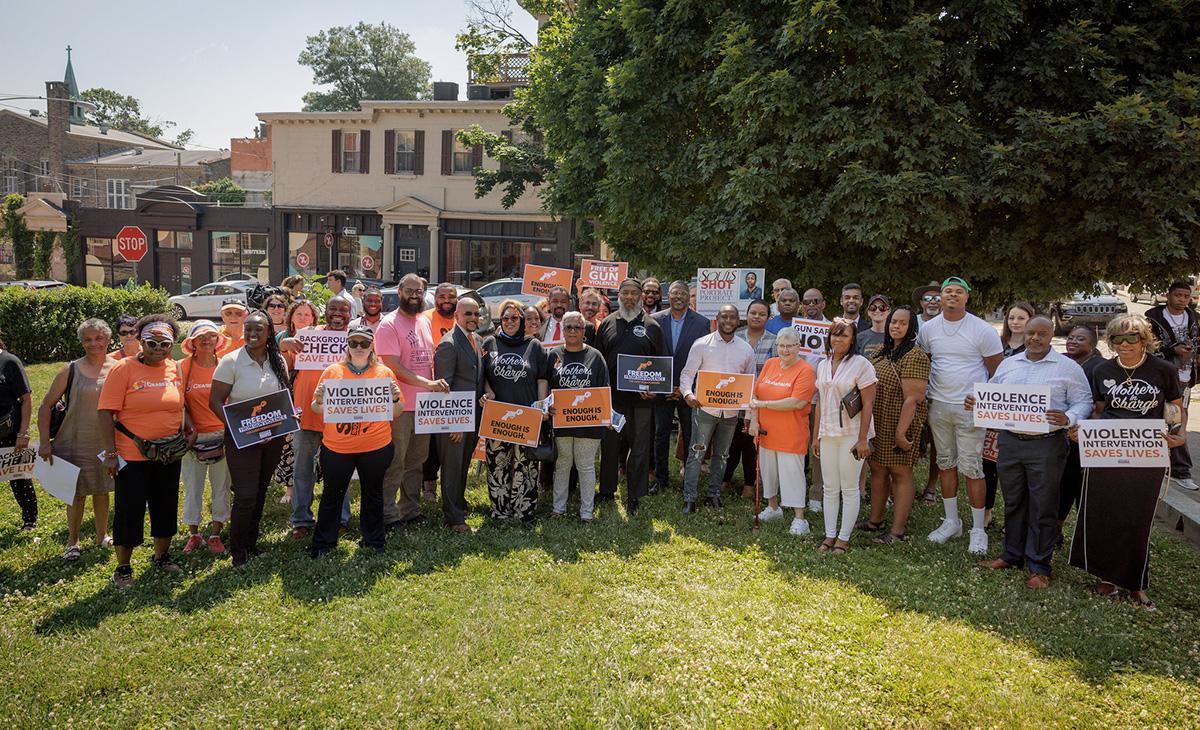
Community groups across the nation are intensifying calls for immediate and comprehensive measures to address the escalating gun violence crisis. In response to rising incidents of firearm-related injuries and deaths, these organizations are urging lawmakers, law enforcement, and communities to come together and implement effective strategies aimed at curbing the epidemic of gun violence. Their unified stance highlights the urgent need for policies and actions that prioritize public safety and reduce the devastating impact of gun-related incidents on families and neighborhoods.
Table of Contents
- Community Leaders Call for Comprehensive Gun Reform Legislation
- Impact of Gun Violence on Urban Neighborhoods and Public Health
- Grassroots Initiatives Mobilize to Support Victims and Prevent Future Harm
- Policy Experts Recommend Enhanced Background Checks and Community Investment
- Wrapping Up
Community Leaders Call for Comprehensive Gun Reform Legislation
Community leaders from diverse backgrounds have united in an unprecedented call for comprehensive gun reform legislation. They emphasize that incremental measures are insufficient to address the escalating crisis of gun violence impacting neighborhoods across the nation. Highlighting recent tragic events, spokespeople stressed the urgent need for policies that balance Second Amendment rights with public safety protections, advocating for reforms such as enhanced background checks, mandatory safe storage laws, and restrictions on high-capacity magazines to prevent mass shootings.
Key demands outlined by advocates include:
- Universal background checks on all firearm purchases and transfers
- Closing loopholes in private sales and gun shows
- Ban on assault-style weapons and accessories linked to high fatality incidents
- Increased funding for community-based violence prevention programs
Leaders warn that failure to act decisively risks further devastation in vulnerable communities and call on lawmakers to respond with urgency and resolve to protect lives and restore safety.
Impact of Gun Violence on Urban Neighborhoods and Public Health
Urban neighborhoods continue to grapple with the harrowing consequences of gun violence, which extends beyond immediate injuries and deaths. The persistent threat undermines community stability, erodes trust among residents, and diminishes economic opportunities in affected areas. Schools face disruptions as children experience trauma, leading to decreased academic performance and higher dropout rates.Health systems are strained as they address not only physical wounds but also an upsurge in mental health issues, including anxiety, depression, and post-traumatic stress disorder (PTSD).
Public health experts emphasize that the ripple effects of firearm-related violence contribute to systemic disparities disproportionately impacting marginalized populations. The cycle of violence fuels social isolation, perpetuates poverty, and increases demands on emergency and social services. Key consequences include:
- Heightened chronic stress levels among residents, contributing to elevated risks of hypertension and cardiovascular disease.
- Increase in childhood exposure to violence, which correlates with long-term developmental and behavioral challenges.
- Reduced community engagement and civic participation, as safety concerns limit public gatherings and social cohesion.
- Strain on healthcare infrastructure, particularly emergency departments and trauma centers overwhelmed by gunshot wound cases.
Grassroots Initiatives Mobilize to Support Victims and Prevent Future Harm
Across the nation, local organizations are spearheading efforts to address the aftermath of gun violence and foster healing within affected communities. These grassroots initiatives emphasize direct support to victims and their families through counseling programs, emergency financial aid, and community outreach.By empowering residents to take ownership of their neighborhoods,these movements reflect a bottom-up approach that seeks to restore safety and rebuild trust from the ground level. Volunteer-led support groups, neighborhood watch networks, and trauma-informed workshops are central pillars of this approach, activating ordinary citizens to become agents of change in a crisis that touches all layers of society.
Prevention is equally prioritized through educational campaigns and advocacy targeting local policymakers. These groups call for concrete policies that focus on:
- Stricter background checks and responsible gun ownership
- Improved mental health services to address root causes
- Investment in youth engagement programs that offer alternatives to violence
Such holistic efforts, grounded in community values and participation, underscore the power of grassroots activism in shaping lasting solutions to gun violence. These initiatives highlight a commitment to systemic change, fueled by those who live the realities of affected streets every day.
Policy Experts Recommend Enhanced Background Checks and Community Investment
Leading policy analysts emphasize that bolstering background checks must be paired with strategic investments in community resources to curb the escalating gun violence. They argue that expanding the scope of screenings to include comprehensive identity verification and criminal history-particularly cross-referencing against national sex offender, terrorist, and sanctions registries-can close critical loopholes in existing firearm regulations. Experts stress the importance of:
- Implementing uniform, nationwide standards for background checks that are timely and thorough
- Integrating advanced data systems to flag high-risk individuals before firearm transactions
- Ensuring transparency and accountability in the background check process
Simultaneously, investments in community development programs are highlighted as vital to addressing root causes of violence. Experts advocate for targeted funding toward education, mental health services, and job creation initiatives in vulnerable neighborhoods.By fostering stronger social infrastructure and economic chance, these approaches aim to reduce reliance on enforcement alone and create lasting pathways toward safer communities. Key recommendations include:
- Expanding access to youth mentorship and after-school programs
- Increasing support for trauma-informed mental health care
- Promoting collaborative efforts between law enforcement and community leaders
Wrapping Up
As community groups continue to rally for immediate and decisive measures, the call to address the gun violence crisis grows ever more urgent.Their collective voice underscores the need for policymakers, law enforcement, and citizens alike to come together in pursuit of lasting solutions.The path forward may be complex, but the demand for safety and justice remains clear: action cannot wait.