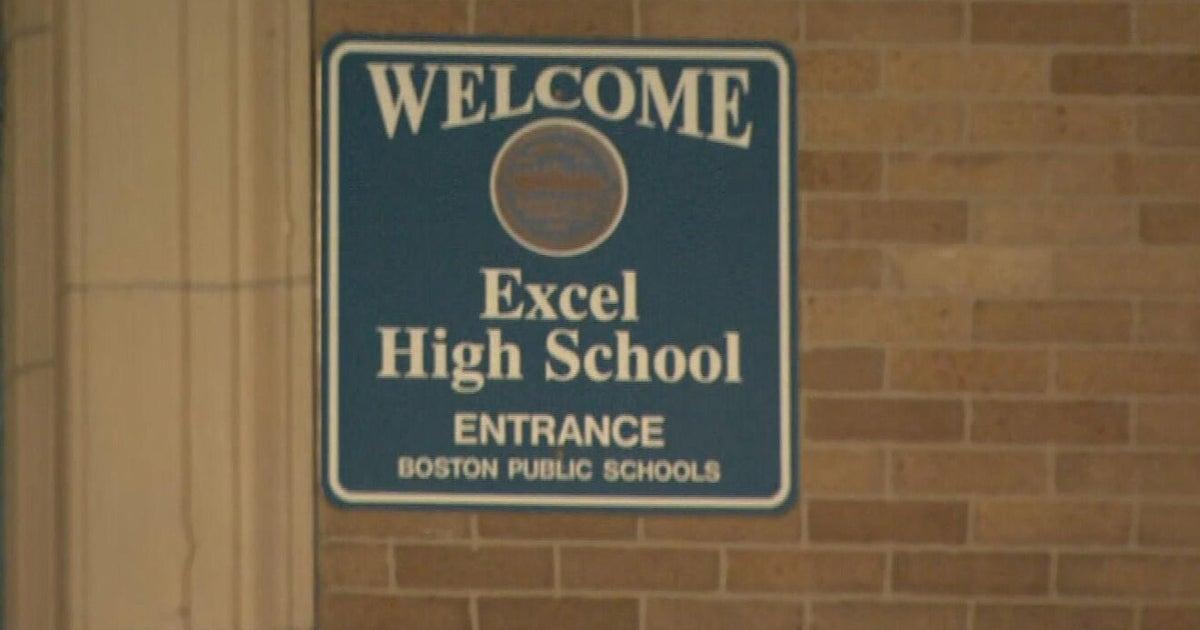
Boston Public Schools have announced a proposal to close several schools across the city, igniting concern among parents, educators, and community leaders. The plan aims to address issues related to budget constraints, declining enrollment, and the need to reallocate resources more efficiently.As the city continues to serve as the cultural and financial center of New England, the potential closures raise critical questions about the future of education in the region and its impact on Boston’s diverse student population. Community meetings and public hearings are scheduled in the coming weeks to discuss the proposed changes and gather feedback from stakeholders. [[1]]
Table of Contents
- Boston Public Schools Outline Closure Plan to Address Declining Enrollment
- Community and Parent Reactions to Proposed School Closures
- Impact of School Closures on Student Access and Neighborhood Stability
- Recommendations for Minimizing Disruption and Supporting Affected Families
- The Conclusion
Boston Public Schools Outline Closure Plan to Address Declining Enrollment
Boston Public Schools (BPS) officials have unveiled a strategic plan aimed at consolidating resources amid a steady decline in student enrollment. The proposal calls for the closure of several schools across the district, a move designed to optimize building utilization and enhance educational opportunities for remaining students. According to district leaders, the decision follows an exhaustive review of demographic trends, facility conditions, and academic performance metrics.
The plan outlines key actions including:
- Phased closures of under-enrolled schools over the next academic years
- Reallocation of students to neighboring schools with ample capacity
- Investments in school renovations and upgrades to support larger student bodies
- Engagement initiatives to involve community stakeholders in transition procedures
District officials emphasize commitment to minimizing disruption and ensuring every student receives quality education throughout the process.
Community and Parent Reactions to Proposed School Closures
Parents and community members have voiced strong opposition to the proposed school closures, highlighting concerns over the disruption to students’ education and the broader impact on neighborhoods. At recent public forums, many expressed fears that the shutdowns could exacerbate existing inequalities, forcing children to travel farther and perhaps overcrowding remaining schools. Several parents emphasized the emotional toll on families and the loss of community hubs that schools represent.Common themes from attendees included:
- Fear of increased class sizes and strained resources in receiving schools
- Concerns about transportation safety and logistics for younger students
- Loss of after-school programs and extracurricular activities tied to local facilities
- The potential decline in neighborhood stability and engagement
Community leaders and advocacy groups have called for transparent dialog and alternative solutions to closures, stressing that collaboration is key to preserving educational quality. Some have proposed maximizing existing school capacities through renovations or reallocating funding to address underutilization without shutting doors entirely. These stakeholders argue that the decision-making process must include meaningful input from families who will be most affected, advocating for a more inclusive approach that prioritizes equity. The debates continue to unfold as the Boston Public Schools district moves toward a final determination.
Impact of School Closures on Student Access and Neighborhood Stability
The proposed closures threaten to disrupt student access to quality education,notably for those in underserved communities. Many students will face longer commutes, potentially requiring multiple transfers on public transportation, which can negatively impact attendance and academic performance. Families may also encounter challenges securing reliable childcare and adjusting work schedules, placing additional strain on household resources. The redrawing of school boundaries could lead to overcrowded classrooms in receiving schools, undermining the quality of instruction and student support services.
Beyond the classroom,these closures could destabilize entire neighborhoods that have long relied on local schools as community anchors. Schools serve not only as educational institutions but as hubs for social and recreational activities, local employment, and neighborhood identity.The loss of these institutions risks increasing vacancy rates, decreasing property values, and eroding community cohesion. Residents and local leaders express concern that the closures may accelerate economic decline and reduce investments in affected neighborhoods, further deepening inequities across Boston.
Recommendations for Minimizing Disruption and Supporting Affected Families
To ensure a smooth transition for students and families impacted by the proposed school closures, city officials and school administrators are urged to prioritize clear dialogue and accessible resources. Establishing dedicated family liaison teams will facilitate personalized support, helping parents navigate enrollment options and transportation logistics. Additionally, hosting community forums and information sessions in multiple languages can bridge gaps and address concerns directly, fostering trust and collaboration throughout the process.
Moreover, it is crucial to implement targeted academic and social support services to mitigate the disruption to students’ education and well-being. Recommended measures include:
- Enhanced counseling and mentoring programs to support emotional adjustment.
- After-school tutoring and enrichment activities at receiving schools to maintain academic continuity.
- Partnerships with local organizations to provide additional resources such as childcare and transportation assistance.
By integrating these strategies, Boston Public Schools can better accommodate affected families and uphold educational equity during this challenging restructure.
The Conclusion
The proposal to close several schools within the Boston Public Schools system marks a important shift in the district’s approach to addressing changing enrollment and budget challenges. As the community responds to these recommendations, stakeholders remain focused on ensuring the best possible educational outcomes for all students. Moving forward, Boston Public Schools officials will engage in further discussions with families, educators, and city leaders before final decisions are made. The coming months will be critical in shaping the future landscape of education in Boston.