
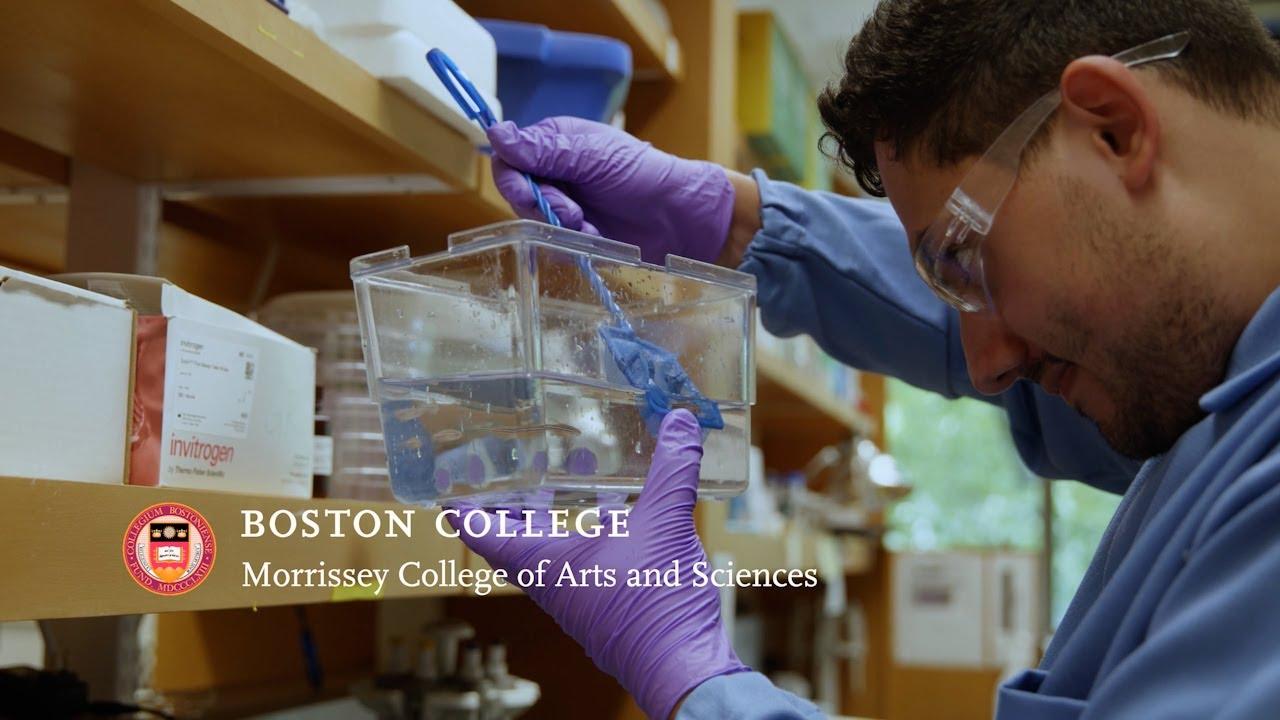
Boston College researchers are calling for enhanced regulatory measures on chemical substances, highlighting growing concerns over public health and environmental safety. Their findings, which reveal significant gaps in current oversight policies, suggest urgent reforms are needed to prevent potentially harmful chemical exposures. This plea adds to the broader national conversation about improving chemical safety standards amidst increasing scientific evidence pointing to overlooked risks.
Table of Contents
- Boston College Study Reveals Gaps in Current Chemical Safety Regulations
- Researchers Identify High-Risk Chemicals Lacking Proper Review
- Call for Enhanced Federal Oversight and Transparency in Chemical Approvals
- Recommendations for Implementing Stricter Testing Protocols and Public Accountability
- Future Outlook
Boston College Study Reveals Gaps in Current Chemical Safety Regulations
A recent inquiry conducted by Boston College researchers has uncovered significant shortcomings in existing chemical safety protocols. Their comprehensive review highlights that current regulations fail to adequately address the complexities of chemical interactions and long-term exposure risks. The study emphasizes that many widely-used substances remain unchecked under outdated frameworks, putting workers, consumers, and the environment at increased risk. Experts stress that without reform,these gaps could lead to escalating public health challenges and ecological damage.
The report calls for urgent policy enhancements,including:
- Stricter evaluation criteria for chemical approval processes to close loopholes in toxicity testing.
- Comprehensive monitoring systems that track cumulative exposure and long-term effects.
- Improved transparency requirements to keep the public informed about chemical hazards.
The research team urges regulatory bodies to adopt these measures promptly, arguing that modernized oversight is essential to safeguard health and foster innovation in safer chemical alternatives.
Researchers Identify High-Risk Chemicals Lacking Proper Review
Recent findings from Boston College researchers highlight a concerning gap in the oversight of numerous chemicals currently in use. Their study reveals that many substances, despite posing significant risks to human health and the environment, have not undergone thorough regulatory review. This regulatory shortfall leaves consumers and ecosystems vulnerable to exposure without adequate safety assurances. The team calls attention to chemicals commonly found in everyday products, urging policymakers to prioritize their evaluation and implement stricter safeguards.
Among the critical concerns raised are:
- Lack of comprehensive risk assessments for widely used industrial and consumer chemicals
- Insufficient data on long-term health impacts and environmental persistence
- Regulatory frameworks that lag behind scientific advancements and emerging threats
By advocating for robust regulatory reforms, the researchers emphasize the urgent need to close these oversight gaps and enhance public health protections. Their work signals a call to action for federal agencies to update chemical safety standards and increase transparency in chemical evaluation processes.
Call for Enhanced Federal Oversight and Transparency in Chemical Approvals
Experts from Boston College are advocating for a substantial overhaul of federal chemical regulatory frameworks, emphasizing that current measures fall short in safeguarding public health and the environment. They argue that the approval process, often shrouded in secrecy, must be restructured to include more rigorous scientific evaluation and increased public accessibility. Key demands include:
- Mandatory disclosure of all chemical safety data prior to approval.
- Stronger self-reliant testing beyond industry-funded studies.
- Real-time tracking of chemicals entering the market, with continuous monitoring for long-term effects.
The researchers caution that without these reforms, the public remains vulnerable to potential harms from inadequately vetted chemicals, highlighting documented cases where toxic substances were approved under insufficient scrutiny. They call for a transparent, science-driven approach that empowers regulators and informs consumers, fostering accountability and trust. Such changes could mark a significant stride towards preventing environmental contamination and health crises linked to chemical exposure.
Recommendations for Implementing Stricter Testing Protocols and Public Accountability
Experts advocate for a comprehensive overhaul of current chemical testing frameworks, emphasizing the necessity of adopting more stringent evaluation standards to ensure public safety. Recommendations include enhanced toxicity screening, longer observation periods, and mandatory third-party testing to mitigate conflicts of interest. Researchers urge regulators to implement continuous monitoring post-approval,enabling rapid identification and mitigation of emerging risks associated with chemical exposure.
Transparency measures must be bolstered through increased public access to testing data and clear dialogue regarding chemical hazards. The team highlights the importance of:
- Regular public reporting on chemical safety assessments and enforcement actions
- Clear accountability mechanisms for manufacturers and oversight agencies
- Community engagement protocols to incorporate public concerns and local knowledge into policy decisions
Such reforms, they argue, will foster greater trust and align regulatory practices with evolving scientific understanding and societal expectations.
Future Outlook
As concerns over chemical safety continue to grow, the call from Boston College researchers for stricter oversight underscores the pressing need for comprehensive regulatory reform. Their findings add a critical voice to ongoing debates about public health and environmental protection, signaling that stronger policies could be pivotal in preventing future risks. Stakeholders and lawmakers alike will be closely watching how these recommendations influence policy decisions moving forward.